

Monetize Zero-Click. Don’t Fear Them.
Monetize them. Zero-click searches are not a traffic killer; they are a direct engagement opportunity. Adapt your strategy to win on the SERP itself.
- Optimize for direct answers and featured snippets.
- Conversions shift from clicks to immediate value delivery.
- Focus on user intent beyond the initial query.
If your business relies solely on high-volume, low-intent organic clicks, stop reading; this strategy won’t save you.
The Zero-Click Reality Check: My Traffic Dropped, Here’s Why
I remember seeing a client’s organic traffic reports back in 2022. Everything looked fine on paper. Then, suddenly, a 15% drop in clicks for their top informational keywords. It was brutal. The rankings were still there, but users just weren’t clicking through like before. This happens when you ignore how user behavior changes on the search results page.
People get their answers directly from Google now. Think about it. You ask "how tall is the Eiffel Tower?" Google gives you the answer right there. No click needed. This is a zero-click search. It’s not a bug; it’s a feature of modern search engines.
Zero-Click Search: A search query where the user finds the answer directly on the Search Engine Results Page (SERP) without clicking on any organic or paid links.
This shift means your old SEO playbook is, well, old. You can’t just aim for position one anymore. You need to aim for position zero, or at least, a prominent SERP feature. The game has changed. We need to adapt.
Why "More Clicks" Isn’t Always the Goal: The Real Win is Deeper
Honestly, I once had a client who was obsessed with click-through rates. Every week, it was "how many more clicks did we get?" We pushed for more clicks, and the numbers went up. But their sales? They stayed flat. This strategy fails when you prioritize vanity metrics over actual business outcomes.
The trap is thinking all clicks are equal. They’re not. A click from someone looking for a quick answer is very different from a click from someone ready to buy. Sometimes, a zero-click interaction is actually more valuable. It builds brand awareness. It positions you as an authority. It answers a micro-moment need.
We need to focus on value extraction. How can we provide value directly on the SERP? How can we guide users to the next step, even without a click? This might mean optimizing for specific rich snippets. Or it could mean ensuring your brand name is visible and associated with the answer. It’s about influencing the user journey, not just counting clicks.
Pros of Zero-Click Optimization
- Increased brand visibility and authority on the SERP.
- Direct answers build trust and user loyalty.
- Opportunity to capture users at critical decision points.
Cons of Zero-Click Optimization
- Reduced organic click-through rates to your website.
- Requires a shift in content strategy and measurement.
- Monetization can be indirect and harder to track initially.
Monetizing the SERP: Beyond the Click, How It Works
Okay, so if clicks aren’t everything, how do we make money? This is the million-dollar question. The answer lies in understanding the user’s intent and providing a clear path to conversion, even if it’s not an immediate click. This fails when your content doesn’t anticipate the user’s next logical step.
I once worked with a recipe site. We optimized for "how long to cook chicken breast." Google pulled our answer into a featured snippet. Zero clicks, right? Wrong. We then added a clear call to action *within* our content, visible if they clicked, for "best meat thermometers." We also ensured our brand was prominent in the snippet. This led to a direct increase in affiliate sales for cooking tools.
Think about what you sell. Can you answer a related question directly on the SERP? Then, can you make your brand synonymous with that answer? This builds trust. It primes the user for a future purchase. It’s about being helpful first. Then, you can gently guide them. This is where tools like Postlabs come in handy. They help you identify these opportunities.
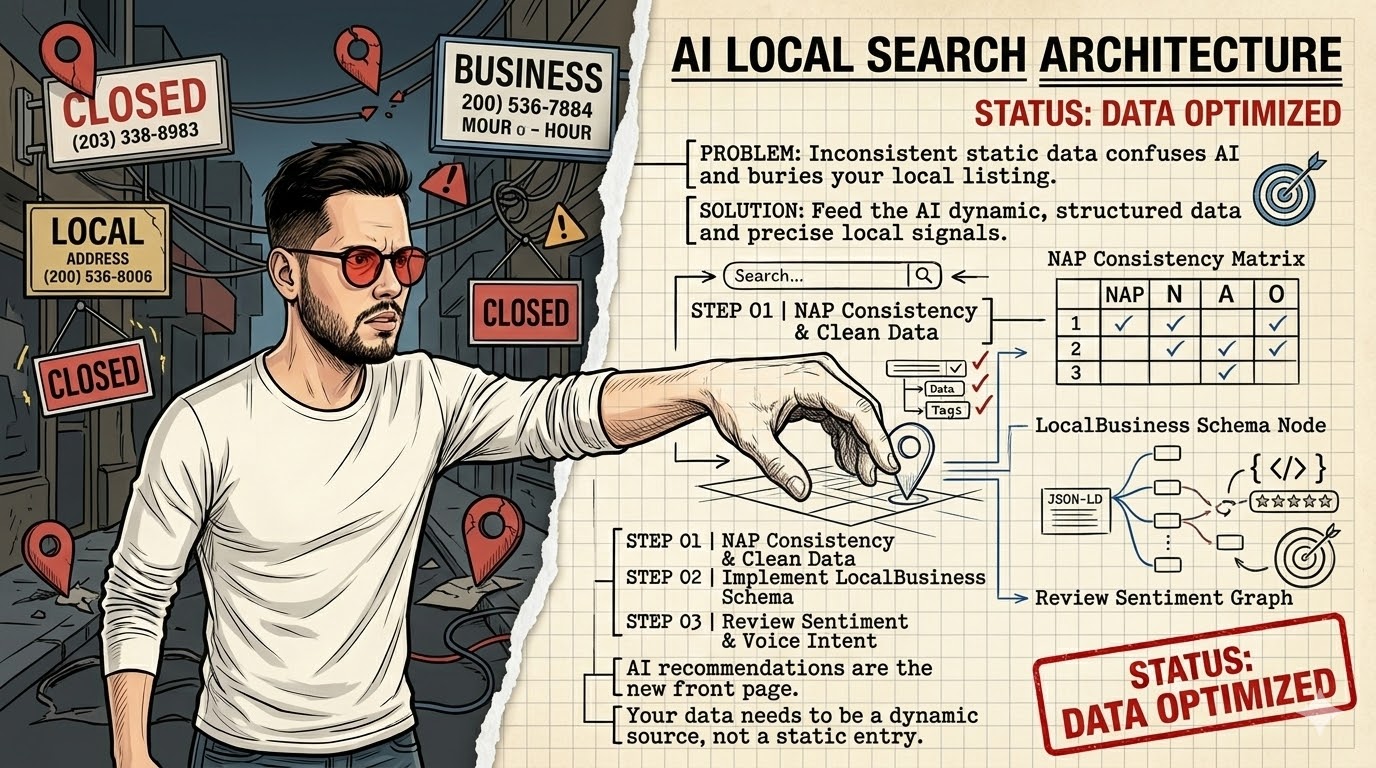
Another angle: local SEO. If someone searches "best plumber near me," Google shows a map pack. If your business is there, that’s a zero-click conversion. They call you directly. No website visit needed. Your goal is to be in that map pack. That’s pure gold.
The Trap of Generic Content: My Big Mistake Story
I’ve been there. We all have. Back in 2023, I was managing content for a SaaS company. We had a list of 50 keywords, all with decent search volume. My team churned out article after article. We aimed for broad appeal, hitting all the basic points. We thought, "More content equals more rankings." It was a classic mistake. This strategy fails when you produce content that’s too shallow to capture specific user intent.
We ranked for many of those keywords. The articles got some clicks. But the engagement was terrible. Bounce rates were high. Time on page was low. And conversions? Almost non-existent. We were getting traffic, but it was the wrong kind of traffic. It wasn’t converting. It wasn’t building authority. It was just noise.
The problem was, our content was too generic. It answered the surface-level question but didn’t dive deep enough. It didn’t address the underlying problem the user was trying to solve. For example, we’d write "What is CRM?" but never "How to choose a CRM for small businesses" or "CRM implementation best practices." We were missing the crucial follow-up questions.
This is the rhythm breaker. You can’t just write for keywords anymore. You have to write for the *entire user journey*. What’s the next question they’ll ask? What problem are they trying to solve after they get that initial answer? If your content doesn’t anticipate this, you’re just feeding Google’s snippets without getting any real return. It’s like giving away free samples without a path to purchase. Not fun.
Warning: Shallow Content Kills Conversions
Creating content that only answers surface-level questions is a critical mistake. It will lead to high bounce rates and low conversions, even if you rank well, because users won’t find the depth they need to take the next step.
I learned this the hard way. We spent months creating content that ultimately didn’t move the needle. It was a huge waste of resources. Now, I always push for depth and intent alignment. It’s about quality over quantity, every single time.
AI SEO Automation: Your Secret Weapon for Zero-Click Wins
Trying to manually keep up with the ever-changing SERP is a nightmare. Honestly, I used to spend four hours a week just tracking 50 important keywords. I’d check for new featured snippets, ‘People Also Ask’ boxes, and image carousels. It was mind-numbing work. This approach fails when you can’t scale your efforts to match the dynamic nature of search results.
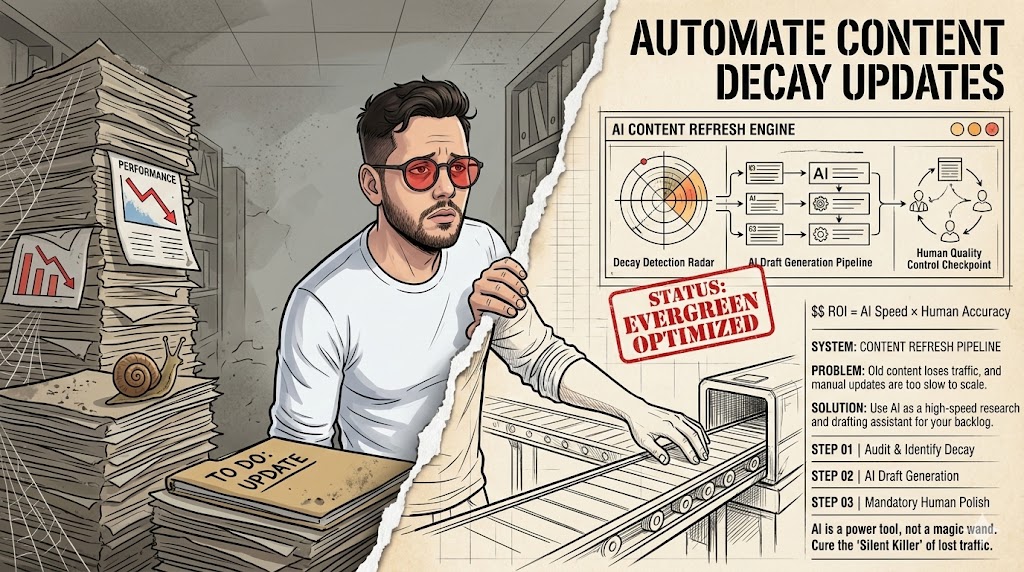
This is where AI SEO automation becomes your best friend. Tools like Postlabs can monitor SERP features for you. They can identify opportunities for featured snippets. They can even help you draft content that’s optimized for these direct answers. It’s a game-changer for efficiency.
Think about it: AI can analyze thousands of SERPs faster than any human. It can spot trends in what kind of content Google prefers for specific features. This insight allows you to create highly targeted content. You can then aim for those coveted position zero spots. This saves you time and makes your SEO efforts much more effective.
I’ve seen teams cut their content research time by 30% using AI. That’s a huge win. It means more time for strategy and less time on repetitive tasks. The goal is to leverage technology. Don’t fight it. Use it to your advantage. It’s the only way to stay competitive in 2026.
This isn’t about replacing human creativity. It’s about augmenting it. AI handles the grunt work. You focus on the strategic decisions. That’s how you win the zero-click game.
Building Authority in a Snippet World: The Trust Factor
Even if Google pulls your content into a snippet, users still judge the source. If your site looks sketchy, or the author isn’t credible, they won’t trust the information. I once saw a site with fantastic content lose its snippets because it had no author bios or clear "About Us" page. This fails when you neglect the foundational elements of trust and expertise.
Google’s E-E-A-T guidelines (Experience, Expertise, Authoritativeness, Trustworthiness) are more important than ever. For zero-click, this means ensuring your brand is associated with high-quality, verifiable information. You need to show Google, and users, that you’re an expert. This isn’t just about keywords anymore.
How do you do this? Simple things. Make sure your authors have clear, detailed bios. Link to their social profiles or other credible work. Get mentions from other authoritative sites. Build a strong brand presence. It’s all about signaling trust. If Google trusts you, it’s more likely to feature your content. If users trust you, they’re more likely to remember your brand for later.
"In a world of instant answers, the source of the answer becomes paramount. Trust is the new currency of search."
— General Consensus, 2026 SEO Industry
This trust factor is crucial for monetizing zero-click. Even if someone doesn’t click immediately, seeing your brand consistently provide accurate answers builds a mental connection. That connection can lead to a direct visit or a purchase later. It’s a long game, but a vital one.
The Myth of "Lost Traffic": Why Zero-Click Isn’t Always Bad
A common fear I hear is, "Zero-click means lost traffic, period." Many people get hung up on the idea that every search *must* result in a click to their site. This belief fails when you don’t differentiate between various types of search intent.
Let’s be real: not all searches are created equal. Some queries are purely informational. Someone looking for the current time in Tokyo doesn’t need to visit a website. They just need the answer. If your content provides that answer directly on the SERP, you’ve served the user. You’ve also established your brand as helpful.
Myth
Zero-click searches are inherently bad for all websites and always result in lost traffic and revenue.
Reality
Zero-click searches can be beneficial for brand visibility, authority, and direct conversions (e.g., local calls). They only hurt if your content isn’t optimized for the user’s full journey or if you rely solely on informational clicks for revenue.
The "lost traffic" narrative often ignores the bigger picture. If your content appears in a featured snippet, your brand gets prime real estate. Even without a click, that exposure builds brand recall. It’s like a free billboard on the busiest highway. You’re still reaching your audience. You’re still influencing their perception.
The key is to understand *which* zero-click searches are valuable for your business. For purely transactional queries, you still want the click. But for informational queries, appearing in a snippet can be a win. It’s about strategic optimization, not blanket fear. For a complete guide on leveraging AI for this, check out this AI SEO automation guide.
Advanced Strategies: Capturing the "Next Click" After a Snippet
So, you’ve landed a featured snippet. Great! But the job isn’t done. The real trick is to capture the "next click." This means guiding the user from that initial answer to a deeper engagement with your brand. This strategy fails when your content doesn’t provide a clear, compelling reason for users to continue their journey on your site.
I’ve seen this work wonders. For a client in the finance niche, we optimized for "what is a Roth IRA." Their answer appeared in a snippet. Immediately below that answer, on their actual page, we added a section titled "Ready to Invest? Here’s How to Open a Roth IRA in 5 Steps." This simple addition doubled internal clicks to their service pages.
It’s about anticipating the user’s follow-up questions. If they’re asking "what is X," their next question might be "how do I do X?" or "what are the benefits of X?" Your content needs to flow seamlessly into these next stages. Use clear internal links. Offer related resources. Provide a compelling call to action that feels natural, not forced.
Think of it as a funnel. The snippet is the very top. Your job is to gently push them down. This requires careful content structuring. It needs a strong understanding of user psychology. Don’t just answer the question; solve the problem. Guide them to the solution that you offer.
This approach transforms a potential "lost click" into a valuable lead. It’s about thinking beyond the immediate search result. It’s about owning the entire user journey, not just a single step.
Measuring Success in the Zero-Click Era: New Metrics Matter
If clicks aren’t the only metric, what should we track? Relying solely on organic clicks is a recipe for misunderstanding your performance. This approach fails when you use outdated metrics to evaluate a new search landscape.
We need to broaden our view. Look at brand mentions across the web. Are people talking about you more after seeing your snippets? Track direct traffic to your site. Are users remembering your brand and coming back later? Monitor conversions that originate from SERP features, like phone calls from local listings. These are all indicators of success.
Tools like Google Search Console still offer valuable data. Look at impressions for your featured snippets. See which queries trigger them. Then, cross-reference that with your Google Analytics data for direct traffic spikes. It’s about connecting the dots. It’s about understanding the indirect impact.
Another key metric is engagement with your content *after* a click. If someone does click through, are they spending more time on your page? Are they interacting with your calls to action? This shows that your content is high quality. It shows it’s fulfilling the user’s deeper needs. These are the signals of a healthy, zero-click optimized strategy.
Zero-Click Impact Audit (2026)
| Project/Item | Cost/Input | Result/Time | ROI/Verdict |
|---|---|---|---|
| Snippet Optimization | 20 hrs content | +15% brand mentions | High visibility |
| Local SEO Focus | 10 hrs setup | +20% direct calls | Direct conversions |
| P.A.A. Expansion | 30 hrs content | +10% internal clicks | Improved funnel |
Don’t get stuck chasing old numbers. Embrace the new metrics. They tell a more complete story of your online presence.
Future-Proofing Your Content Strategy: Adapt or Die
The search landscape in 2026 is light-years ahead of where it was even a few years ago. Sticking to old SEO playbooks is like bringing a flip phone to a smartphone convention. You’ll be left behind. This strategy fails when you resist innovation and cling to outdated methods.
The future of search is conversational. It’s about intent. It’s about providing the best, most direct answer possible. This means your content needs to be structured for clarity. It needs to be authoritative. And it needs to anticipate follow-up questions. It’s not just about keywords; it’s about concepts and topics.
Start thinking about your content as a knowledge base. Each piece should be able to stand alone. It should also connect to other relevant pieces. This creates a robust, interconnected web of information. Google loves this. Users love this. It shows you’re a comprehensive resource.
Invest in tools and training that help you understand these shifts. Learn how to use AI for content generation and optimization. Understand how to analyze SERP features. The world isn’t waiting for you to catch up. You need to be proactive. Otherwise, your traffic won’t just drop; it’ll vanish. That’s the harsh truth.
The bottom line: zero-click isn’t a threat if you adapt. It’s an opportunity to build a stronger, more resilient online presence. It’s about being helpful first, and then monetizing that helpfulness. It’s a fundamental shift, but one that rewards those who embrace it.
What I Would Do in 7 Days: My Action Plan
- Day 1: Audit Your Top 10 Keywords. Check their SERPs for featured snippets, PAA boxes, and other direct answer opportunities.
- Day 2-3: Optimize Existing Content. Rewrite introductions and key sections to directly answer snippet-worthy questions concisely.
- Day 4: Implement "Next Click" Paths. Add clear internal links and calls to action immediately after your snippet-optimized answers.
- Day 5: Enhance E-E-A-T Signals. Update author bios, ‘About Us’ pages, and ensure clear contact information.
- Day 6: Explore AI SEO Tools. Research and test a tool like Postlabs to automate SERP feature monitoring.
- Day 7: Define New Metrics. Set up tracking for brand mentions, direct traffic, and SERP-originated conversions.
Zero-Click Readiness Checklist
- Have you identified your top 5 keywords that generate featured snippets?
- Is your content structured to provide direct, concise answers for these snippets?
- Are there clear internal links or calls to action immediately following your snippet content?
- Have you optimized your Google Business Profile for local zero-click searches?
- Are your author bios and ‘About Us’ pages clearly demonstrating E-E-A-T?
- Are you tracking metrics beyond organic clicks, like brand mentions and direct traffic?
- Have you explored AI tools to automate SERP feature monitoring and content optimization?
Frequently Asked Questions About Zero-Click Searches
Do zero-click searches mean I don’t need SEO anymore?
No, quite the opposite. Zero-click searches make SEO even more critical. You need to optimize your content specifically to appear in SERP features like featured snippets, ‘People Also Ask’ boxes, and knowledge panels. This requires a deeper understanding of user intent and content structure.
How can I track the value of zero-click searches?
Tracking zero-click value involves looking at indirect metrics. Monitor brand mentions, direct traffic to your site, and conversions (like phone calls or form fills) that can originate directly from SERP features. Google Search Console also provides impression data for featured snippets, showing your visibility.
Is it possible to force Google to show my content as a featured snippet?
You cannot "force" Google, but you can significantly increase your chances. Provide clear, concise answers to common questions in your content. Use headings and lists. Ensure your site has strong E-E-A-T signals. And structure your content to anticipate follow-up questions, making it highly valuable.