Postlabs
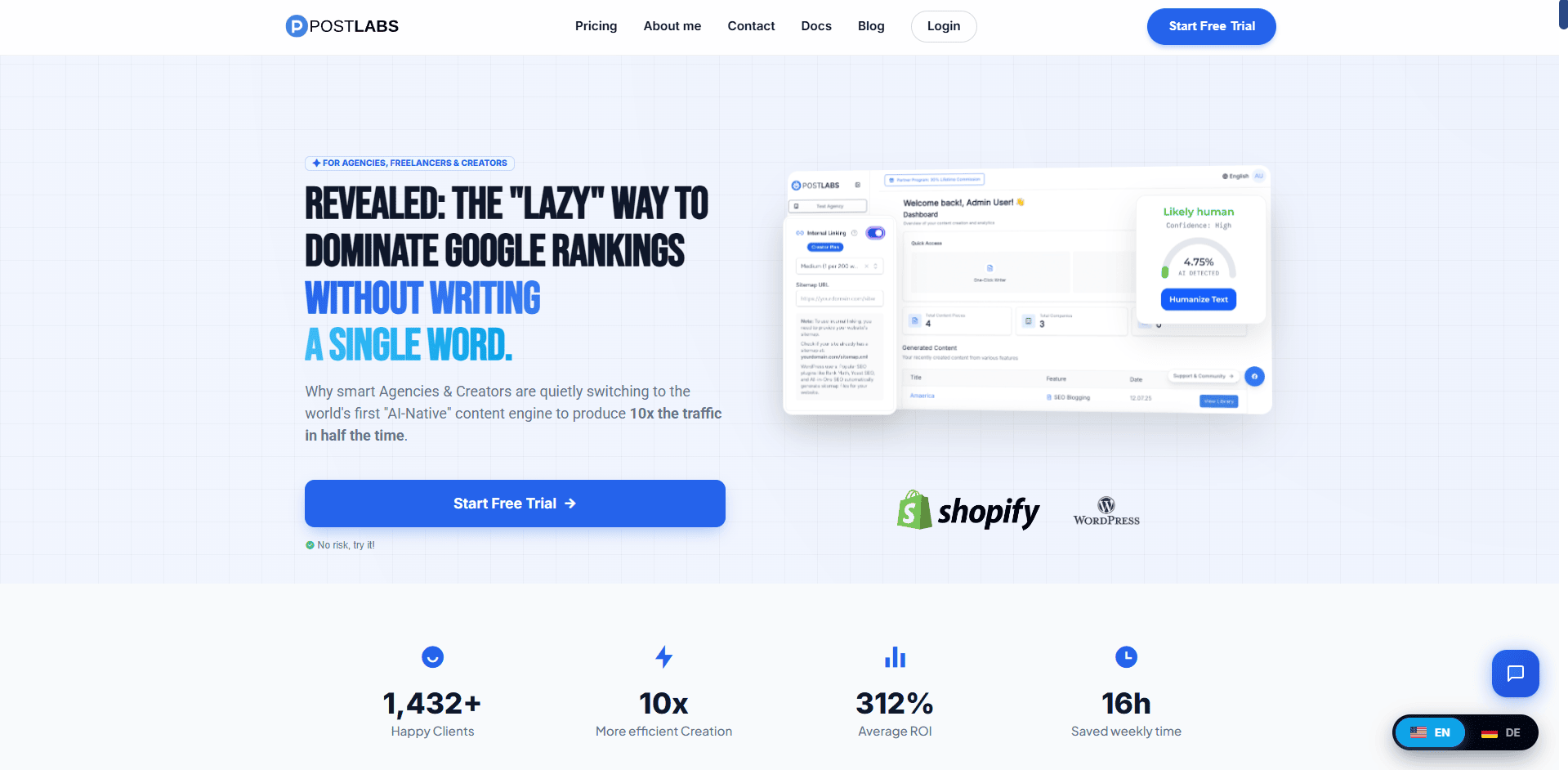
The world's first AI-native engine designed for rapid ranking and bulk scale.


Stop wasting months on manual content optimization. We’ve audited the top 10 AI writers of 2026 based on output quality, real-time SERP data, and actual ranking performance.
Compare the top 10 SEO Content Engines across critical ranking factors.
| Feature Overview | 🏆 #1 Top Pick Postlabs.ai ★★★★★ 9.9 / 10 |
🥈 Rank 2 KoalaWriter ★★★★★ 8.8 / 10 |
🥉 Rank 3 Surfer SEO ★★★★★ 8.5 / 10 |
Rank 4 Jasper ★★★★★ 8.3 / 10 |
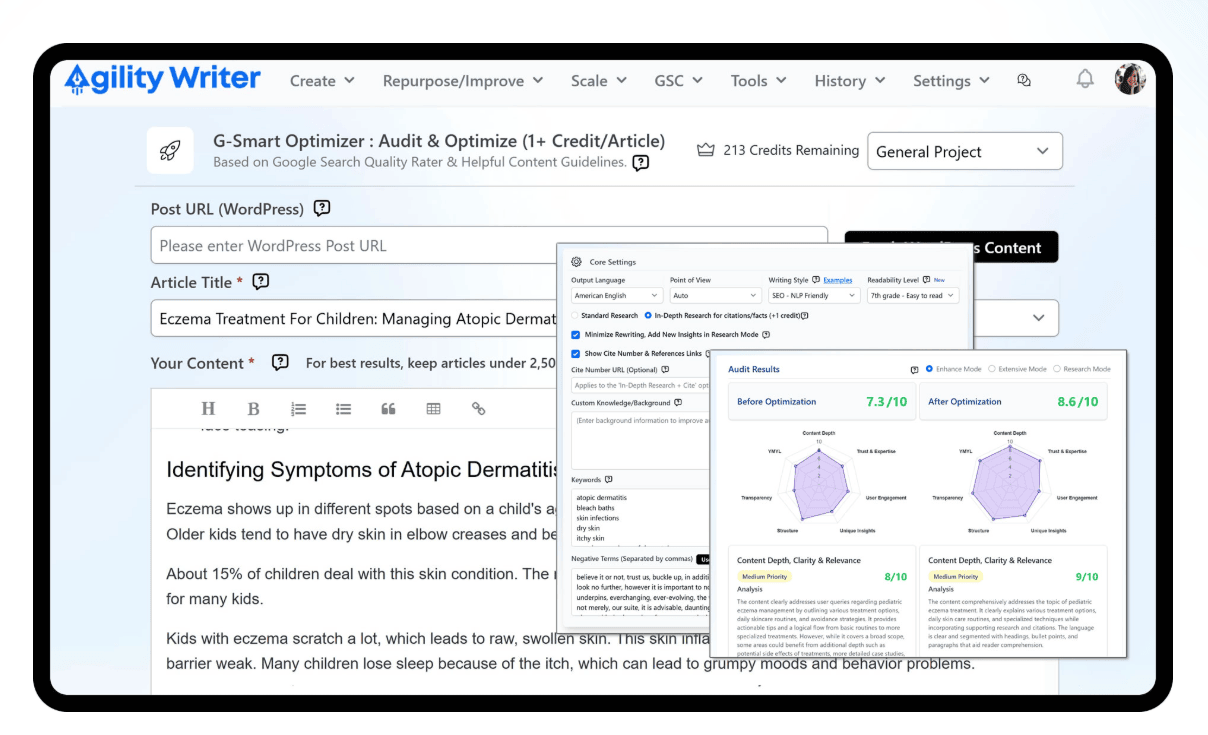
Rank 5 Agility Writer ★★★★★ 8.1 / 10 |
Rank 6 SEOWriting.ai ★★★★★ 7.5 / 10 |
Rank 7 Scalenut ★★★★★ 8.0 / 10 |
Rank 8 Writesonic ★★★★★ 7.2 / 10 |
Rank 9 NeuronWriter ★★★★★ 8.2 / 10 |
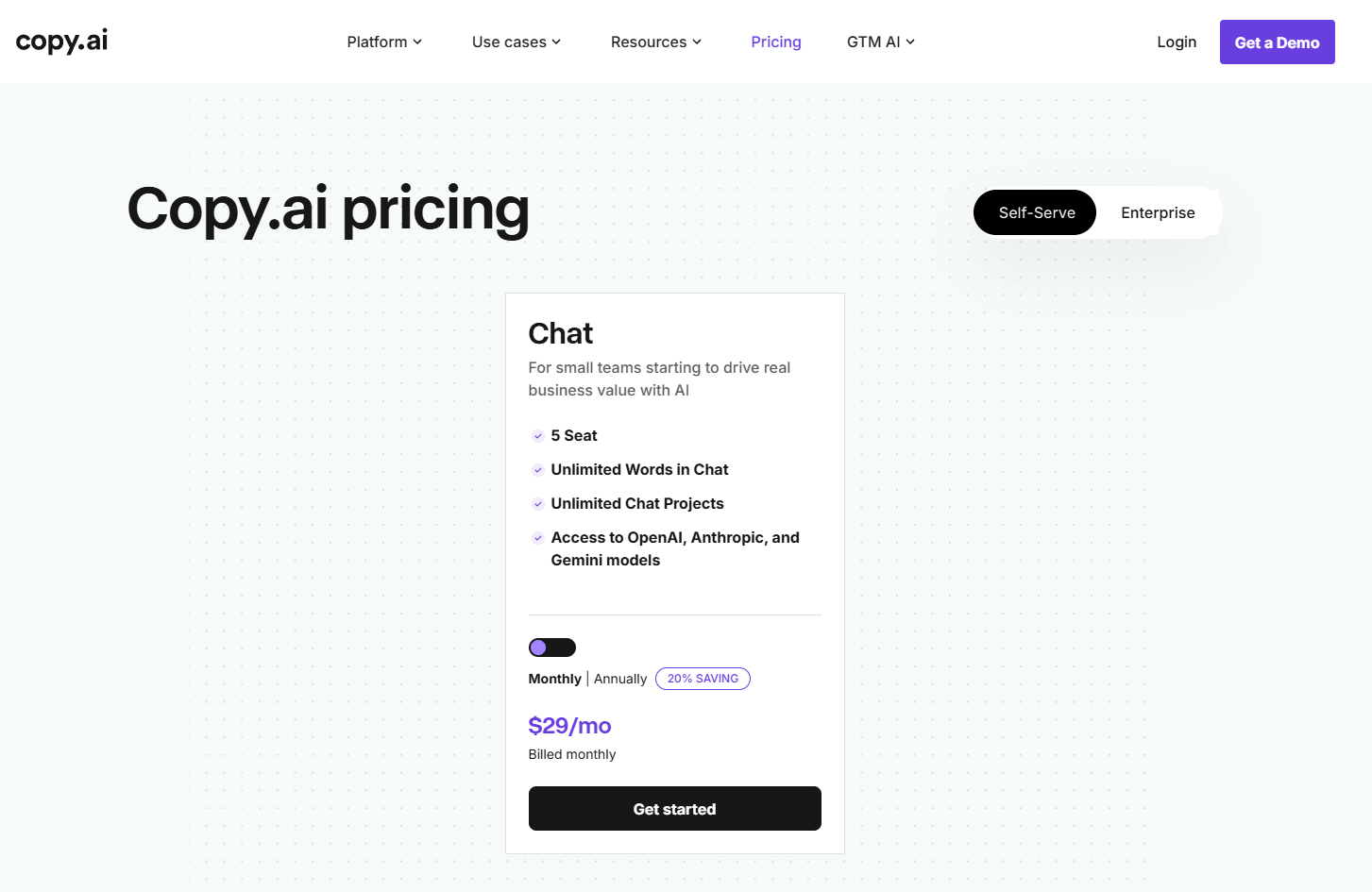
Rank 10 Copy.ai ★★★★★ 6.8 / 10 |
|---|---|---|---|---|---|---|---|---|---|---|
| Start Free Trial | View Tool | View Tool | View Tool | View Tool | View Tool | View Tool | View Tool | View Tool | View Tool | |
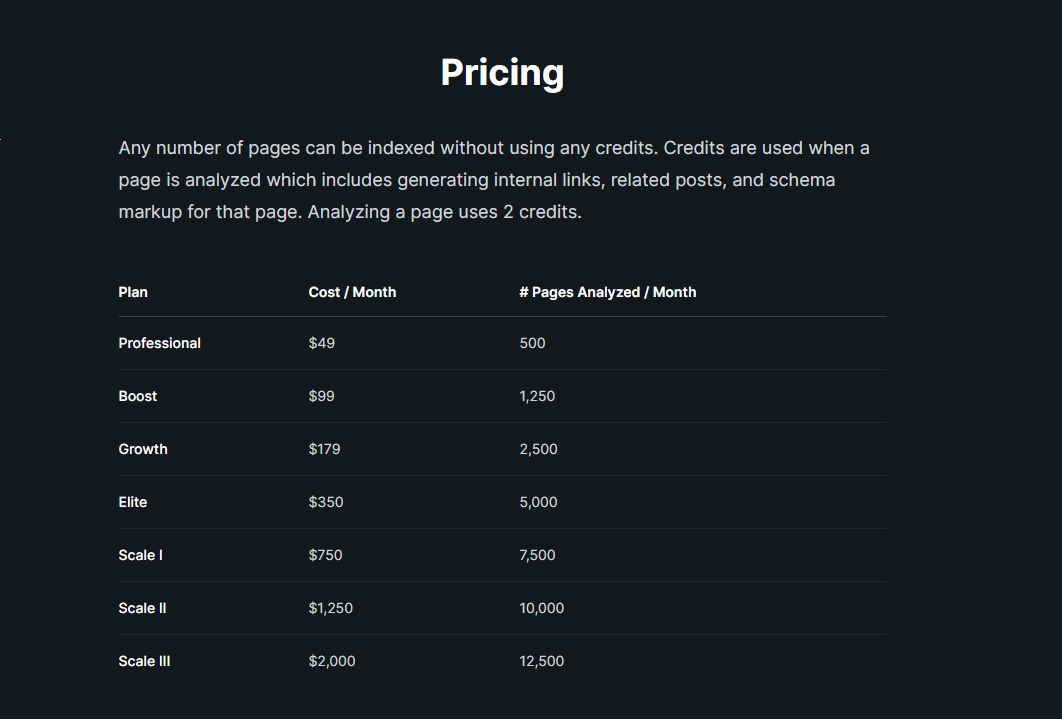
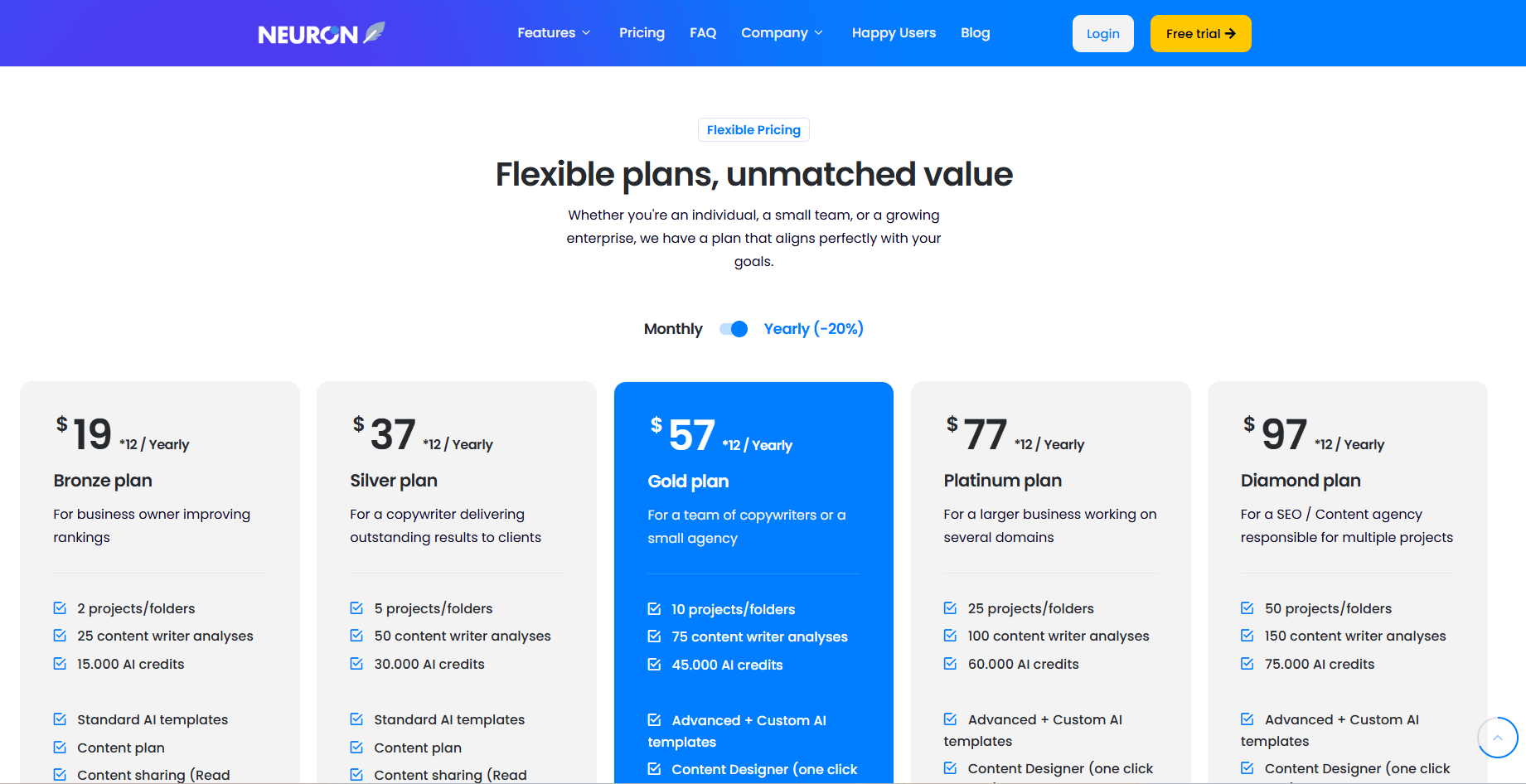
| Entry Price | €12 / mo | ~$9.00 / mo | ~$89.00 / mo | ~$59.00 / mo | ~$25.00 / mo | ~$14.00 / mo | ~$39.00 / mo | ~$39.00 / mo | ~$23.00 / mo | ~$29.00 / mo |
| Avg. Cost per Article | ~$0.45 | ~$0.60 - $1.50 | ~$20.00 - $29.00 | Seat/Word Limits | ~$0.62 | ~$0.28 - $0.38 | Included in limits | Included in limits | Included | Workflow Credits |
| AI Detection Stance | ✔Auto-Humanized | ✖Detectable (Needs Edit) | ✖Detectable | ✖Detectable | ✖Detectable (Needs Edit) | ✖Detectable | ✔Native Humanizer Add-on | ✖Detectable | ✖Detectable | ✖Detectable |
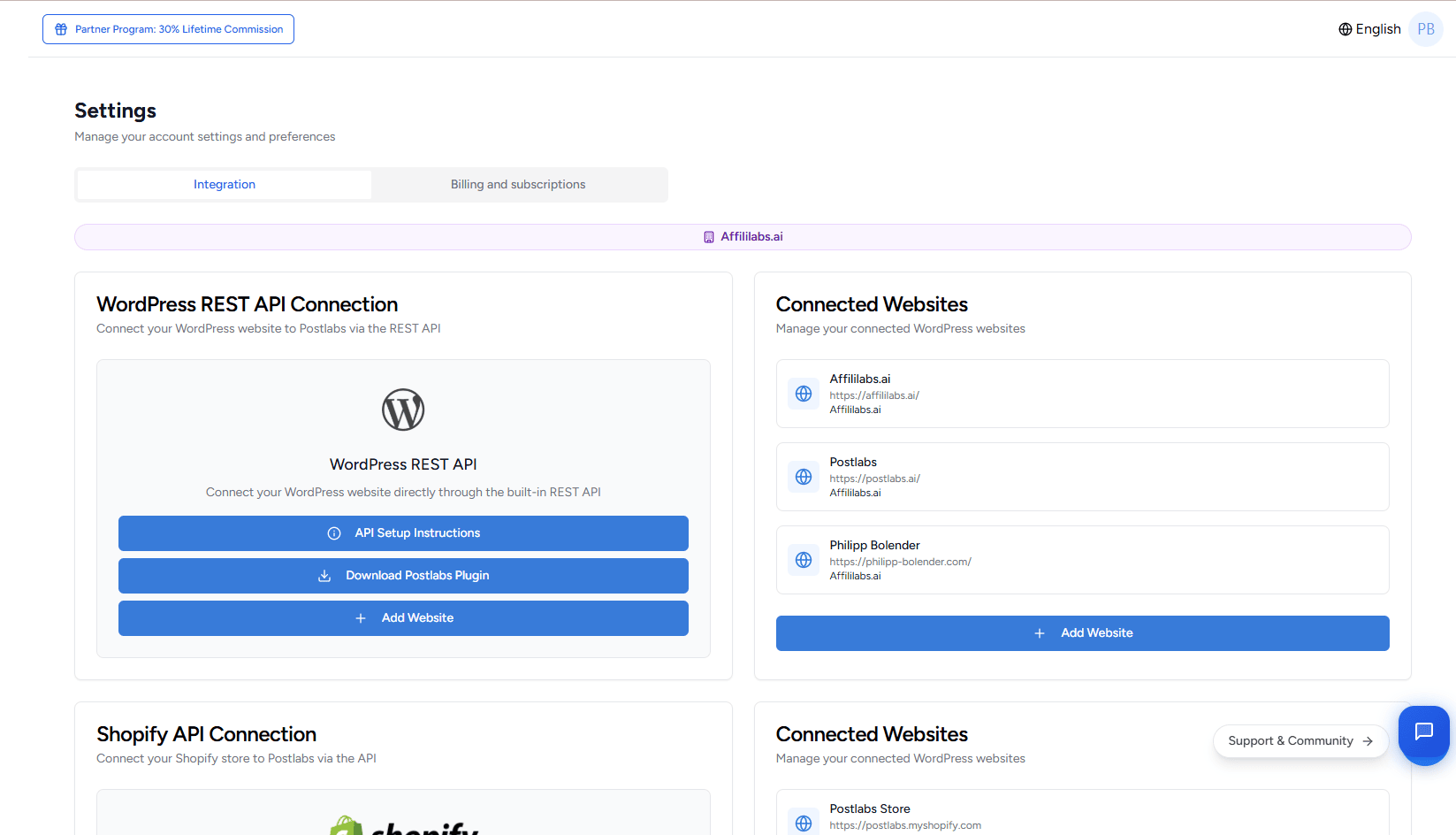
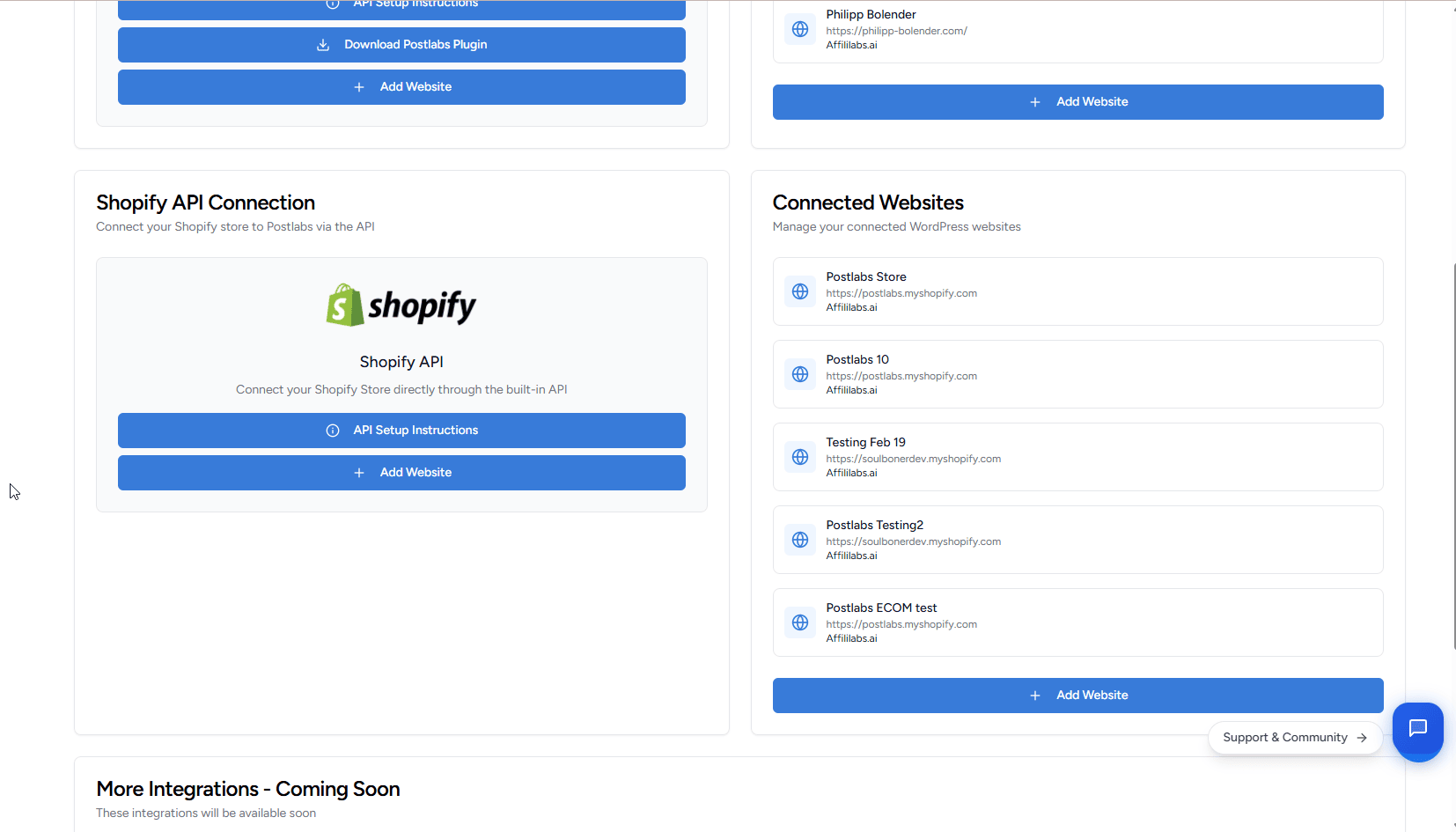
| Direct CMS Sync | ✔WP, Shopify & Social | ✔WP, Webflow, Shopify | ✔Native Sync | ✖Zapier / API | ✔1-Click WP | ✔WP & Shopify | ✔Native Sync | ✔1-Click Publish | ✔WP Export / GSC | ✖API / Workflows |
| AEO & Schema | ✔15+ Semantic Blocks | ✔Entity Schema | ✔Semantic NLP Vectors | ✖Brand Voice IQ | ✔FAQ/HowTo Schema | ✔Competitor NLP | ✔Keyword Clustering | ✔Web Citations | ✔NLP Extraction | ✖Plain Automation |
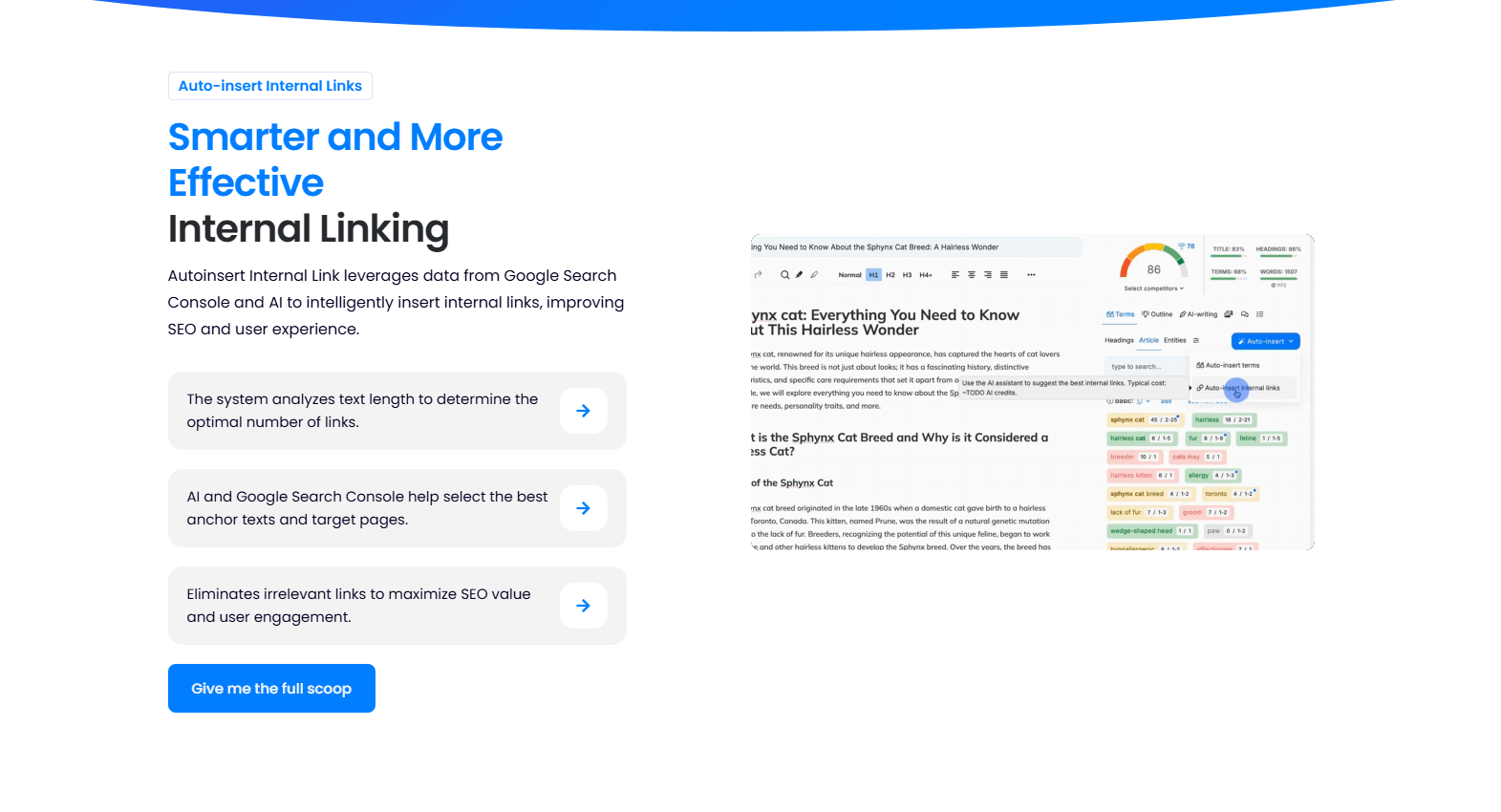
| Auto Internal Linking | ✔Full Auto-Pilot | ✔Auto (KoalaLinks) | ✔Editor Suggestions | ✖None | ✔Auto (Topical Maps) | ✔Auto (Pro Tier) | ✔Smart Links | ✔Auto (v6.0) | ✔Auto (GSC Data) | ✖None |
| Bulk Generation | ✔1-Click CSV Upload | ✔High Capacity | ✖1-by-1 Focus | ✖Campaigns | ✔Up to 200 | ✔Up to 100 | ✔Cruise Mode | ✔Workflows | ✖Doc Focus | ✖None |
| Topic Clusters | ✔AI Powered | ✔Real-Time SERP | ✔Content Planner | ✖Campaign Level | ✔Topical Map Helper | ✔Basic NLP Gen | ✔Topic Silos | ✔Competitor Analysis | ✔Content Plan / Ideas | ✖None |
| Live Web Fetching | ✔SERP & Social Data | ✔Amazon / Live SERP | ✔Live SERP Analytics | ✔Data Connectors | ✔Live SERP / PAA | ✔Live SERP | ✔Live SERP | ✔Web Search | ✔Live SERP Analytics | ✔CRM / Web |
| Best Standout Feature | AEO Structural Injection | Deep Research Mode | NLP Keyword Logic | Enterprise Workflows | G-Smart Optimizer | Mass Deployment | Cruise Mode Setup | Article Writer 6.0 | Content Designer | Sales & Ad Copy |
Google's Helpful Content Update killed fake reviews. We didn't just read marketing pages; we put our own money and servers on the line to test these engines.
Skip the reading. Choose your profile below and get the exact software stack you need to dominate the SERPs in 2026.
If you want to skip the manual copy-pasting, survive Google Core Updates, and build fully automated niche sites at scale, Postlabs is the only logical choice in 2026. It handles the entire pipeline—from AI topic clustering and AEO structural injection to 1-click native WordPress publishing.
The world's first AI-native engine designed for rapid ranking and bulk scale.


Tested on Live Niche Sites • By Philipp Bolender
Let's be completely transparent: Generating text with standard AI is incredibly easy nowadays. But getting that text to actually rank on Google, survive Core Updates, and convert traffic into revenue? That's a completely different game.
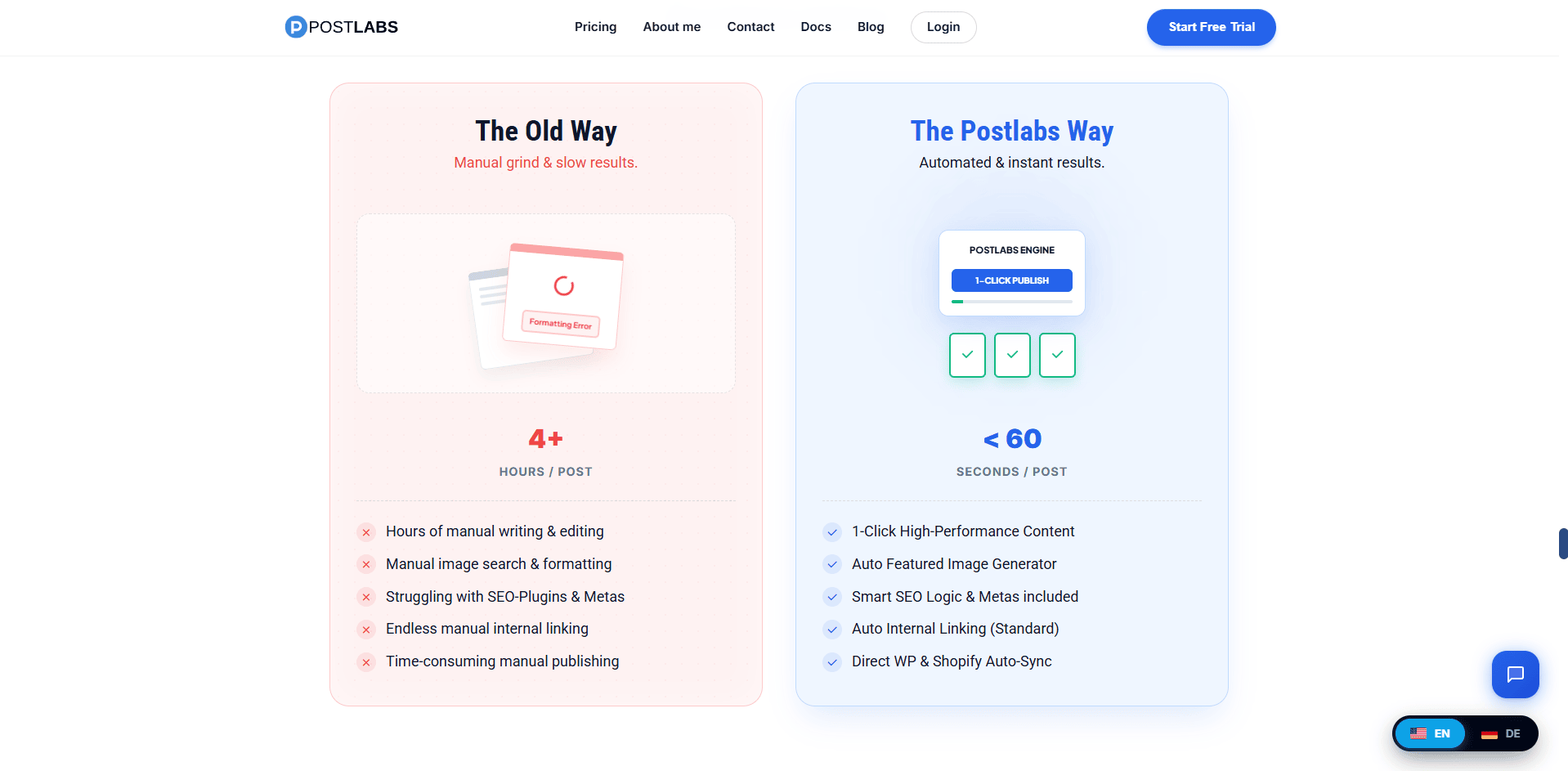
Before I started using Postlabs, my workflow was a chaotic mess. I was generating text in ChatGPT, copying it into WordPress, manually bolding sentences, painstakingly adding internal links, and fighting with Zapier integrations just to get a featured image uploaded. I was spending 3 hours on a single article. That is simply not a scalable business model.
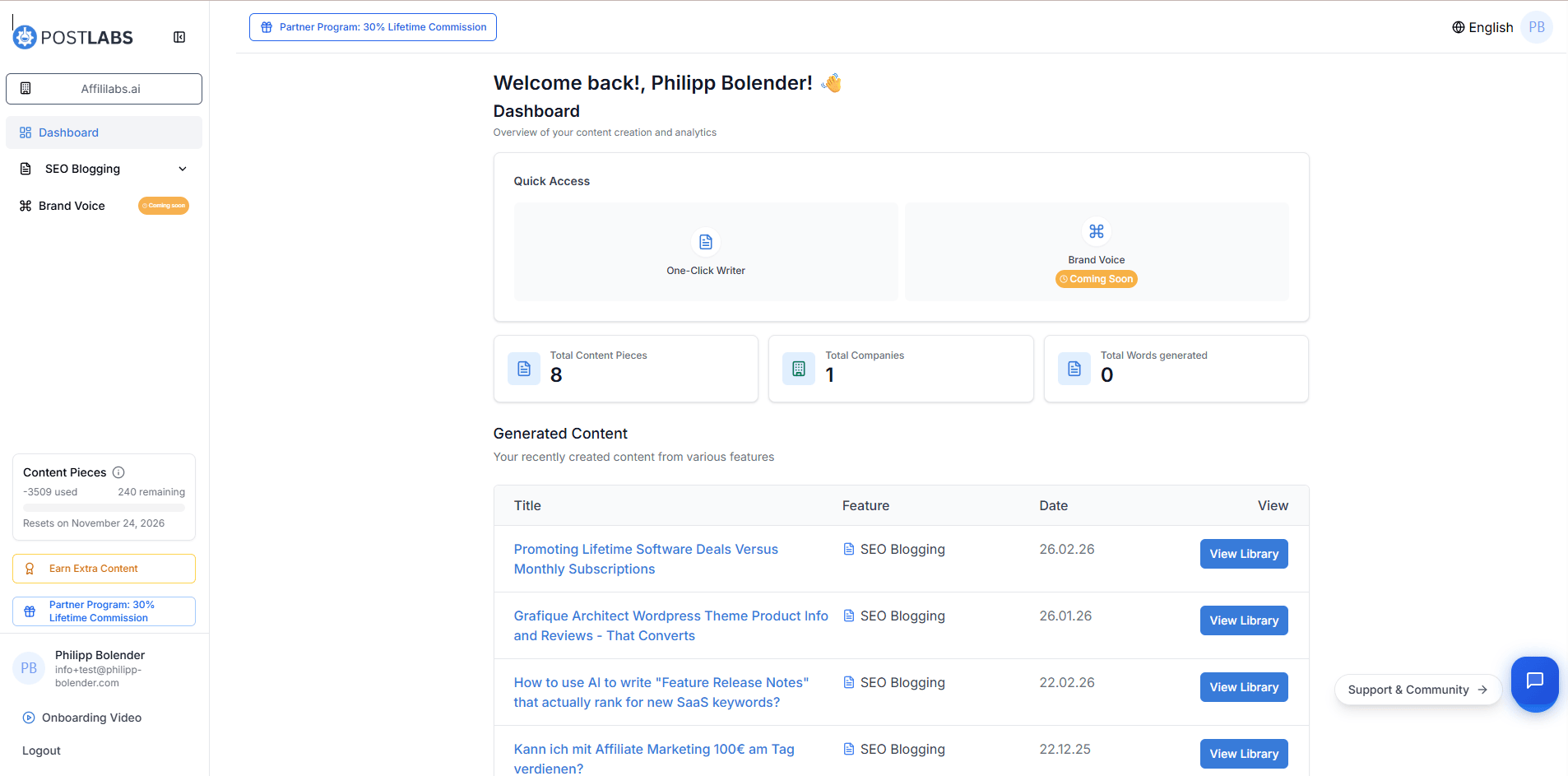
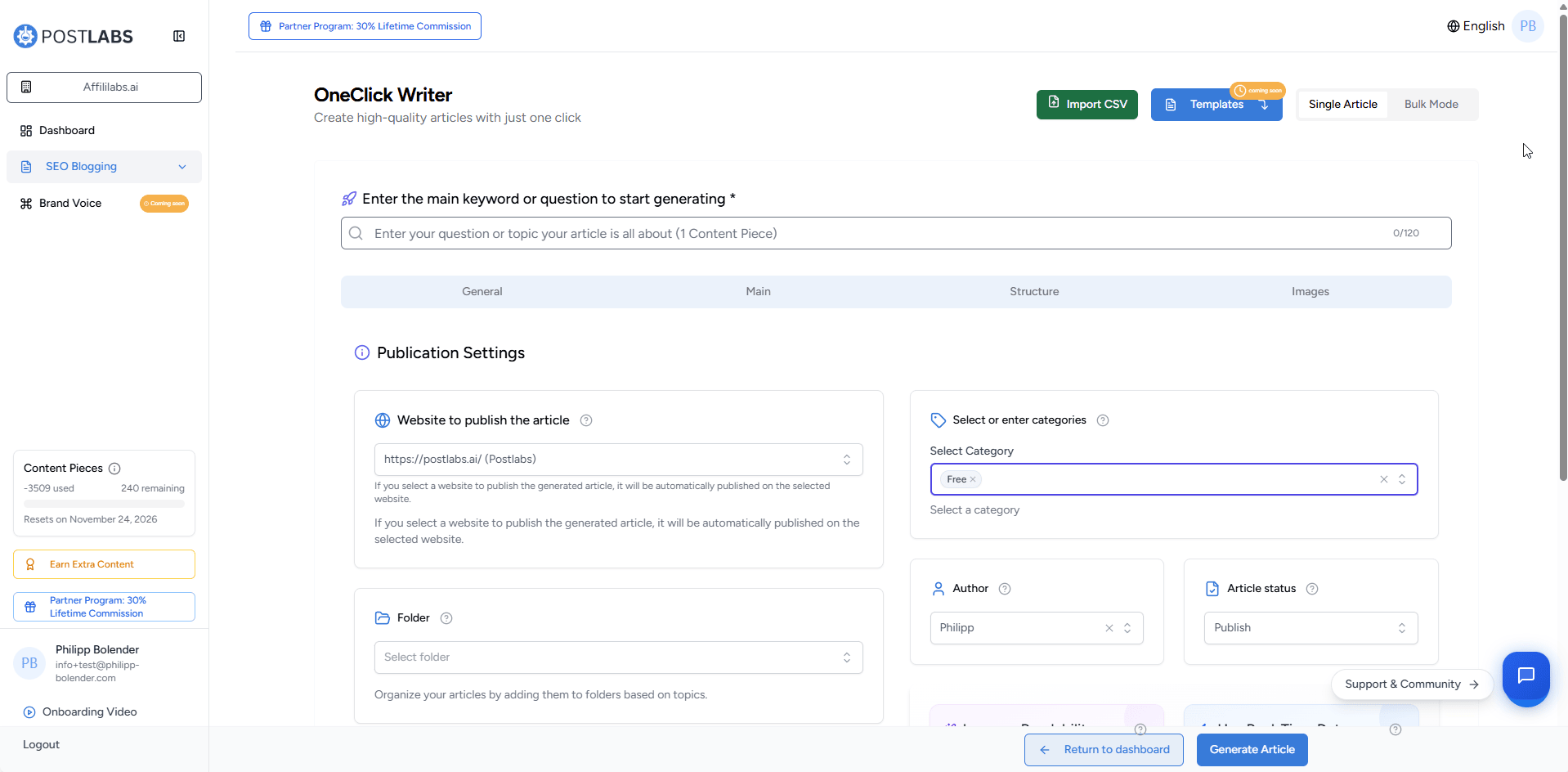
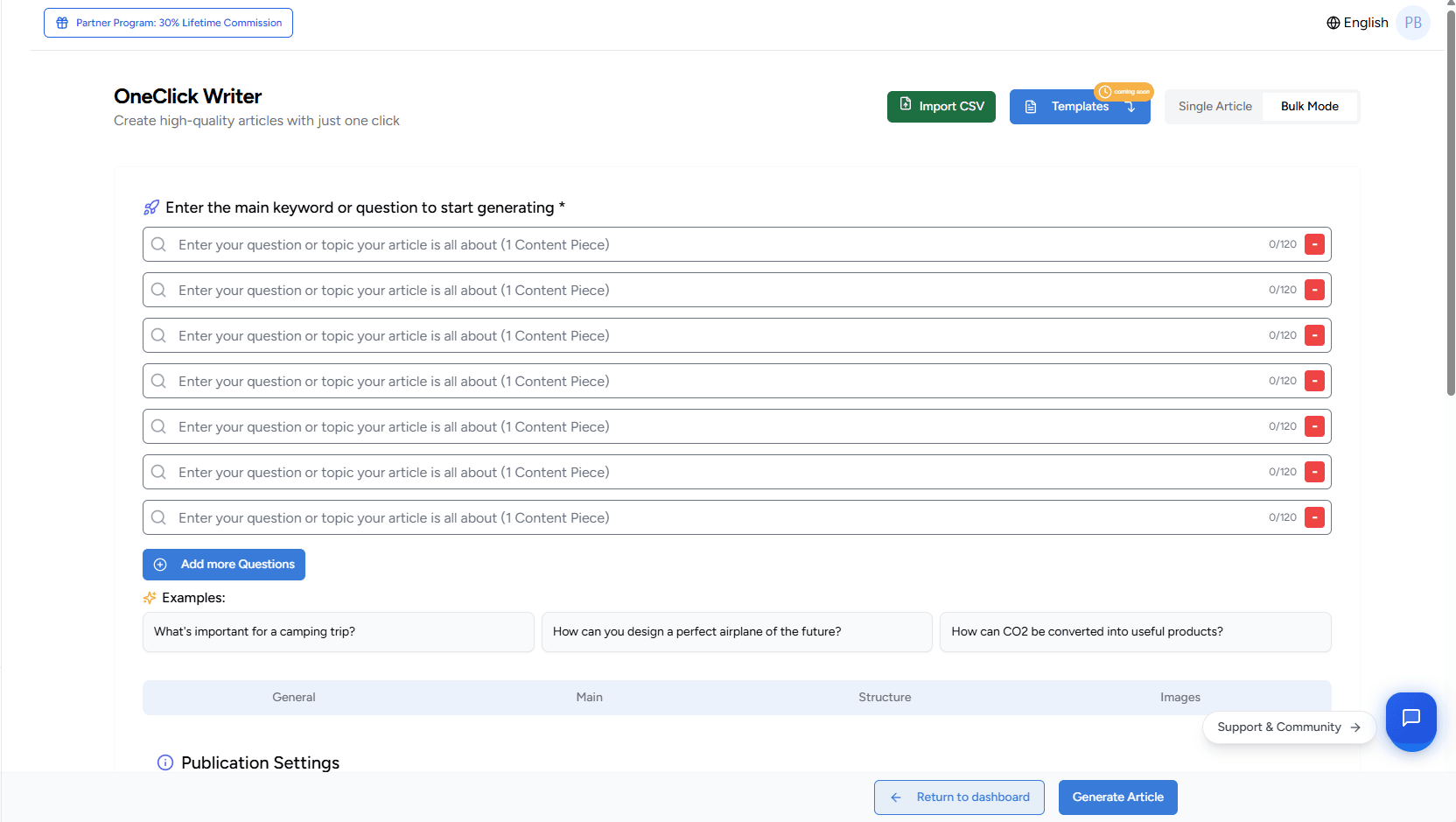
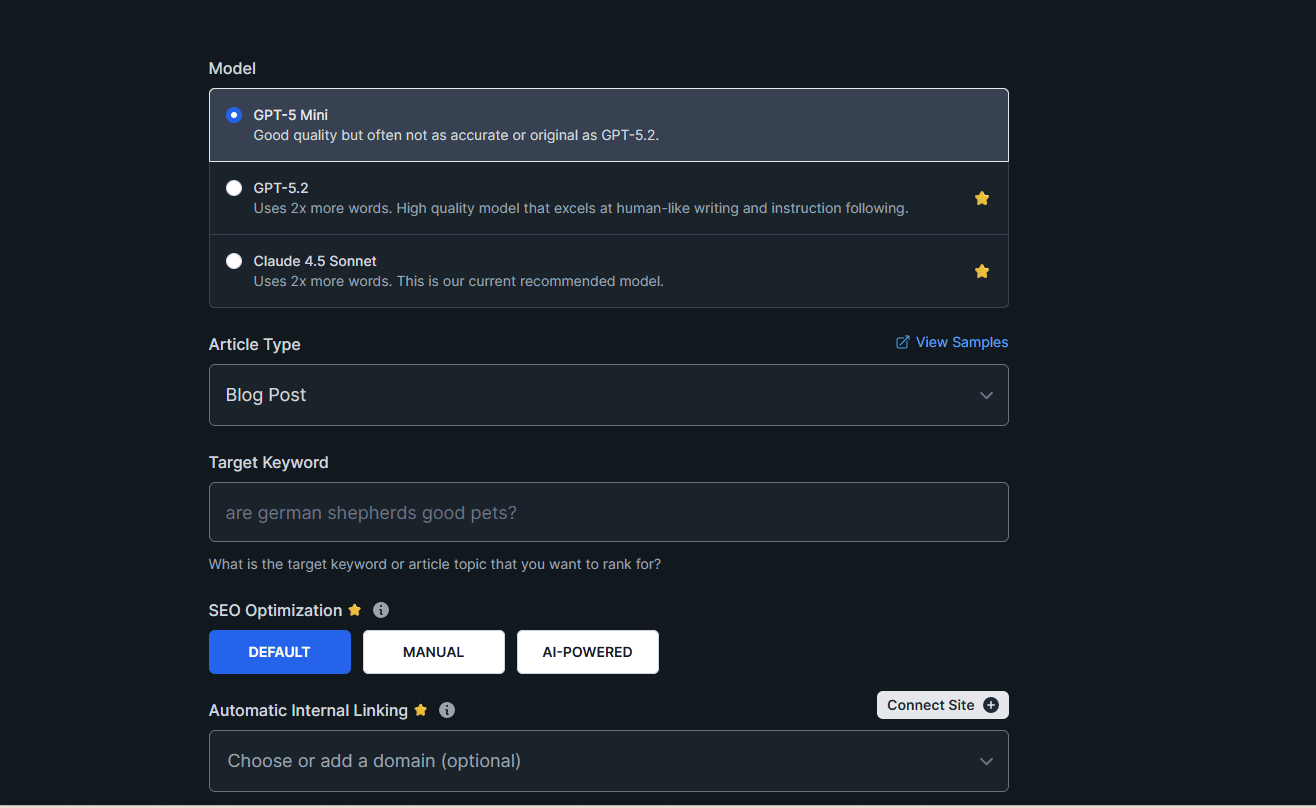
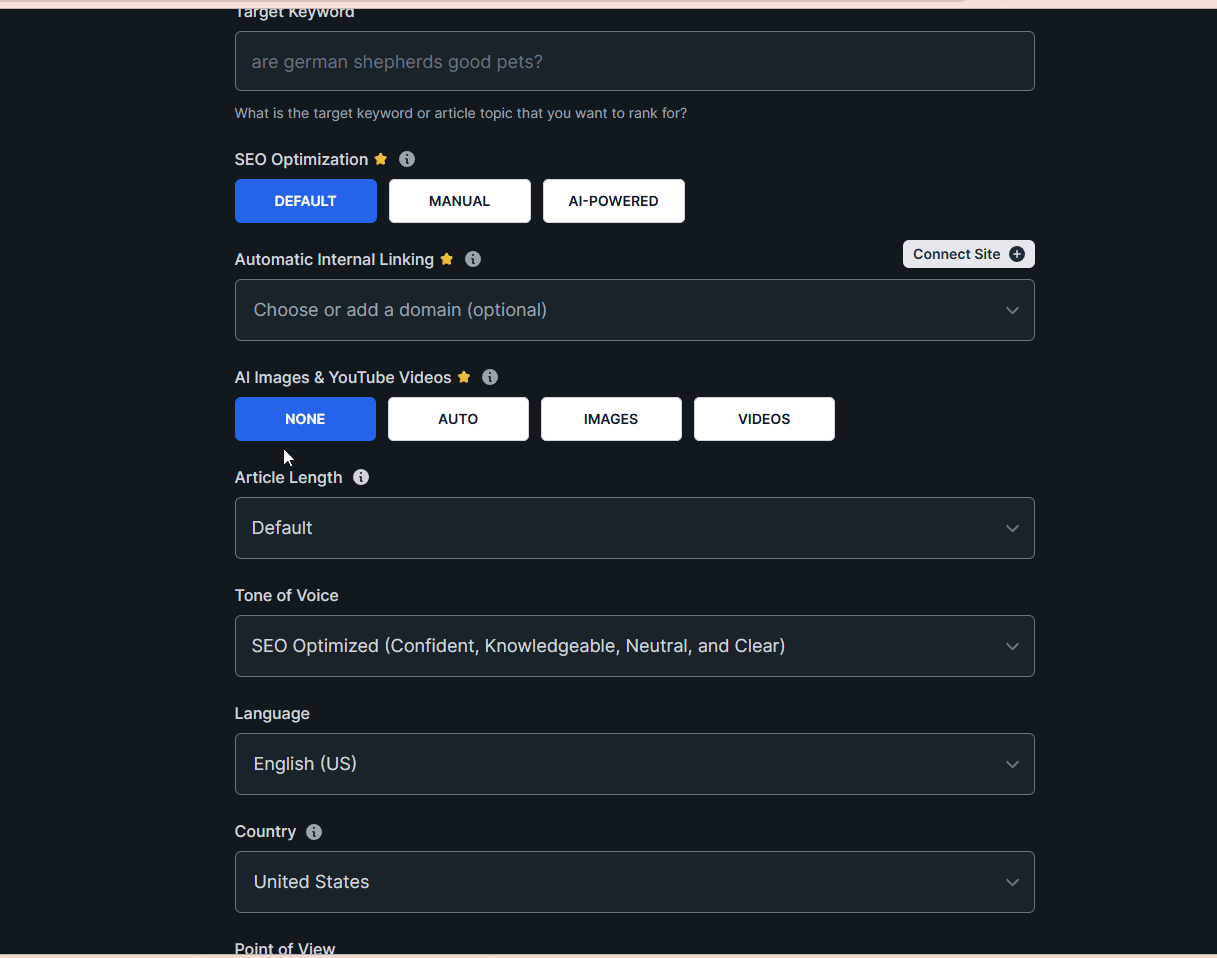
What makes Postlabs the undisputed #1 this year isn't just the quality of the language model—it's the architecture behind it. It completely eliminates the "copy-paste hell". You literally upload a CSV with 50 keywords, select your target language, and Postlabs builds out entire topical clusters directly into your WordPress backend, fully formatted and ready to rank.
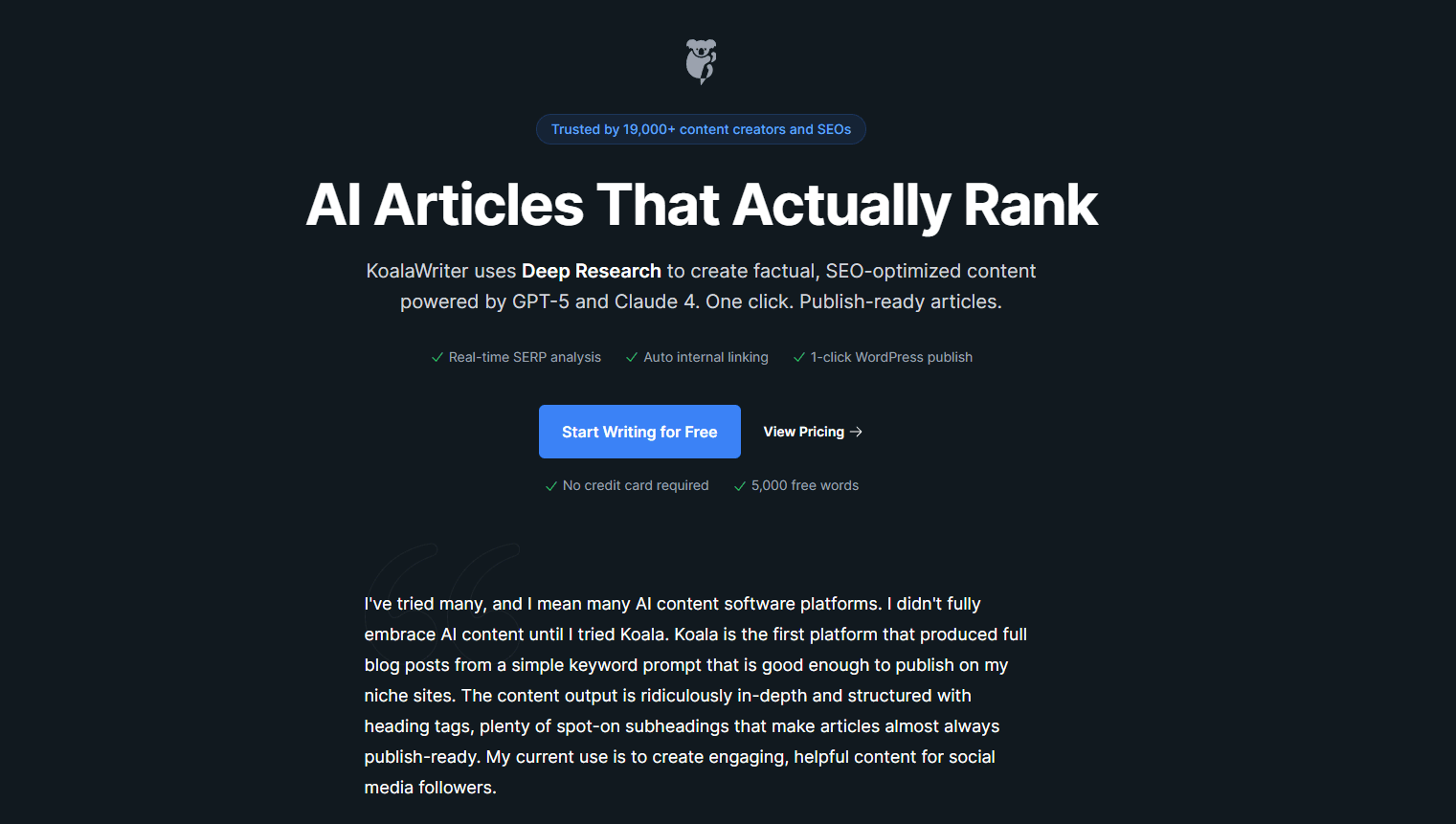
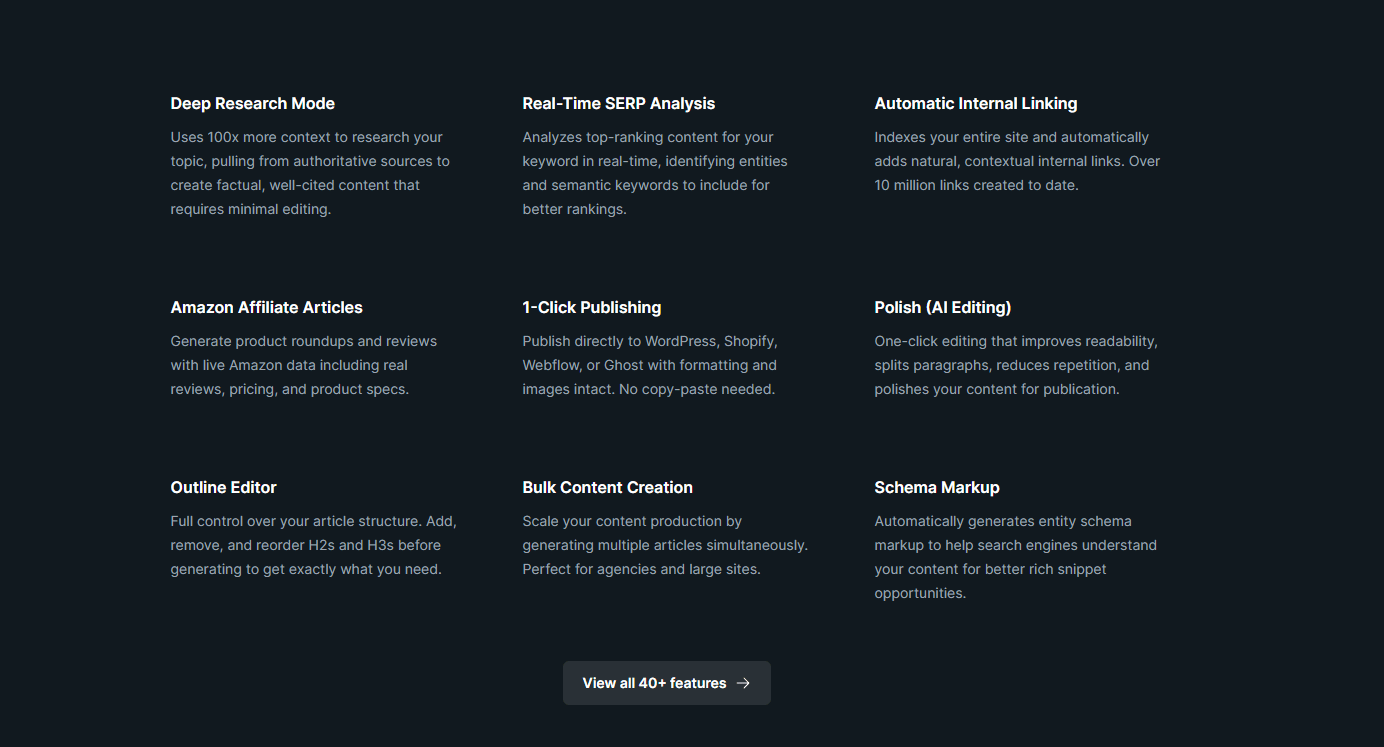
A fast, user-friendly AI writer with excellent out-of-the-box Amazon integration.


Tested on Live Niche Sites • By Philipp Bolender
If you are looking for a tool that you can just open and start writing with zero friction, KoalaWriter is a fantastic option. It has quickly become a favorite in the SEO community for its incredibly clean interface and straightforward workflow. You don't need to be an advanced prompt engineer to get a solid, readable article out of this tool.
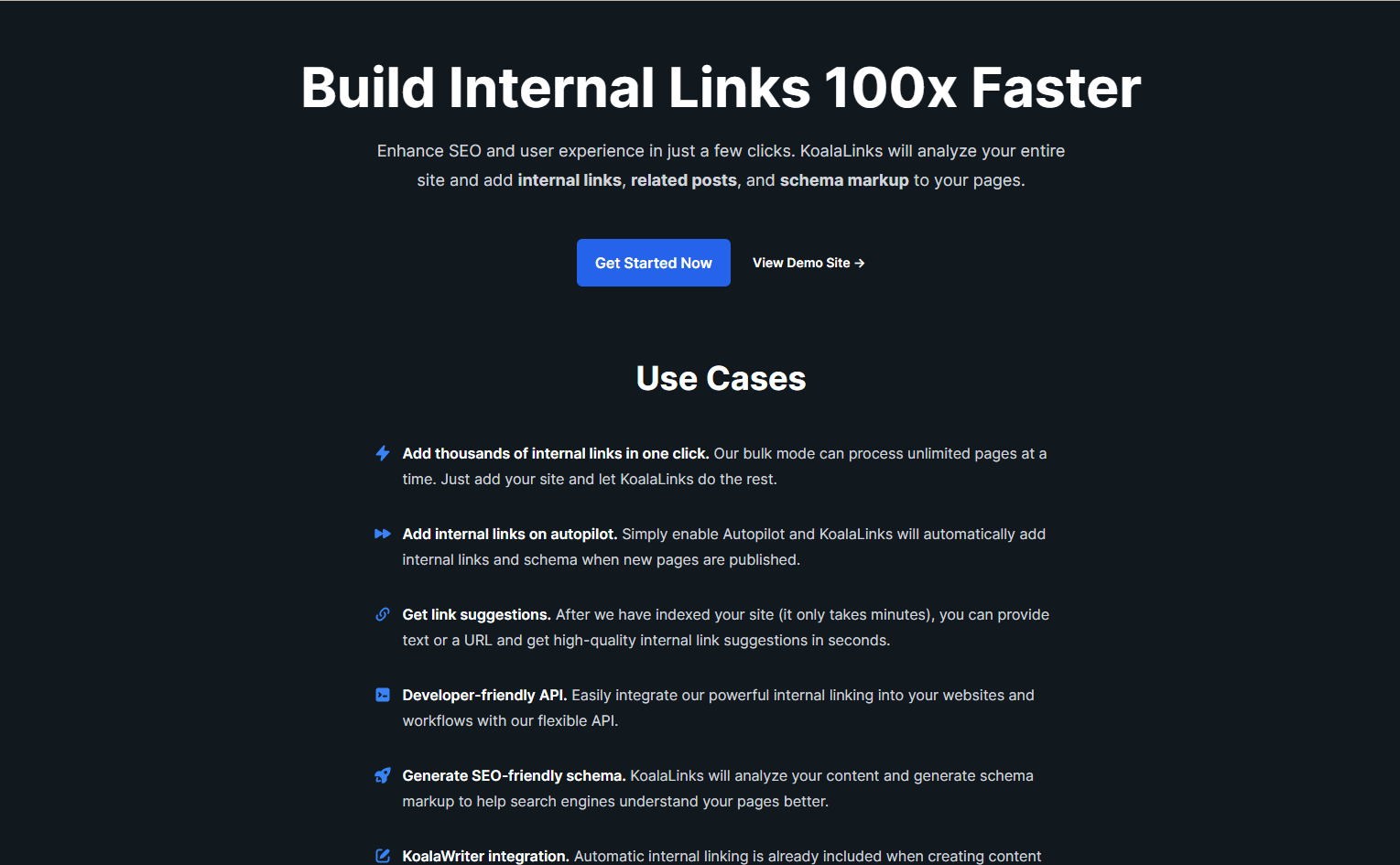
However, as Google shifts rapidly towards AI Search (SGE) and heavily relies on structural data, standard text generation isn't enough anymore. KoalaWriter provides a great baseline for classic SEO, but it lacks the deep architectural features required to build a truly interconnected content silo.
Why is it #2 and not #1? While it features a solid WordPress plugin for basic syncing, it doesn't inject the advanced AEO (AI Engine Optimization) semantic blocks into the code. Furthermore, the AI humanity score is slightly variable (around 75-85%), meaning you might need to spend some extra time manually humanizing the text to avoid being flagged by strict AI detectors.
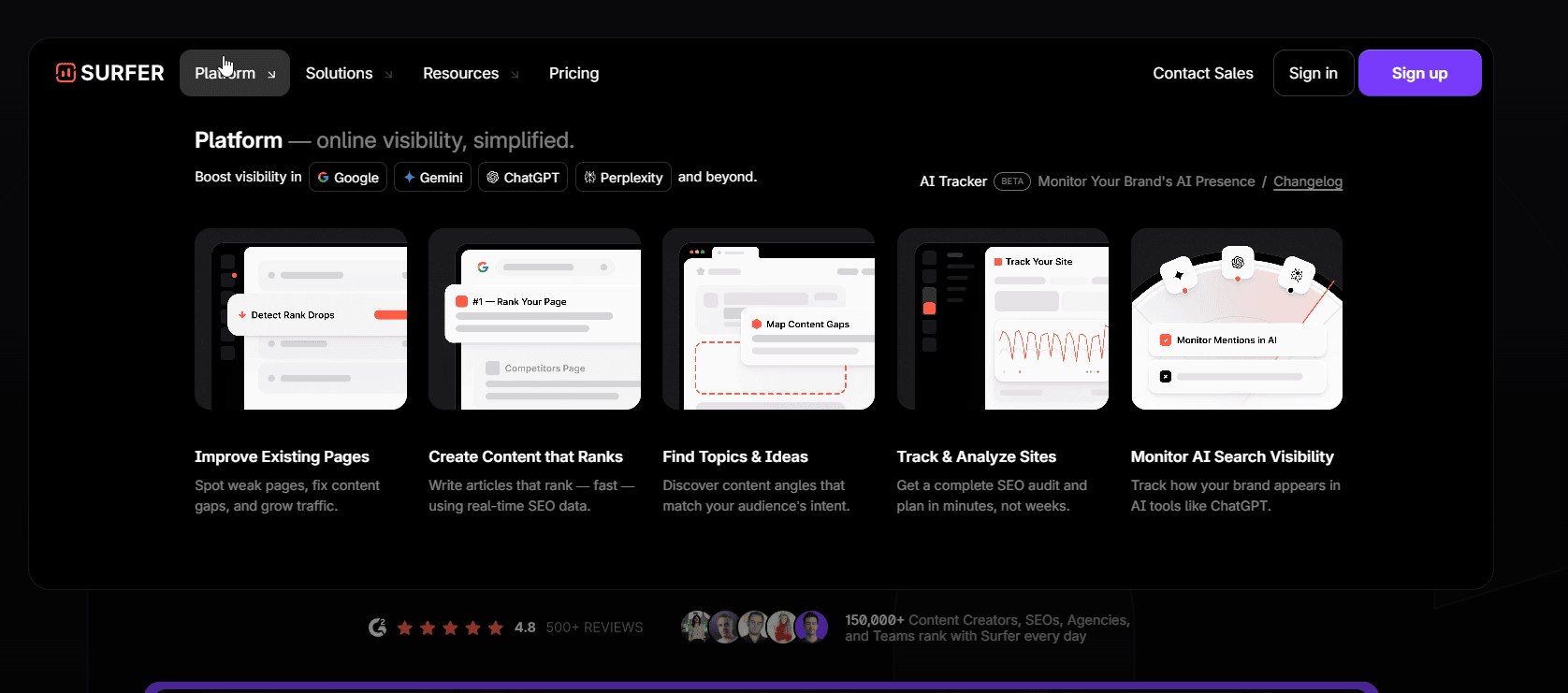
The industry standard for NLP keyword optimization and deep on-page analysis.
Tested on Live Niche Sites • By Philipp Bolender
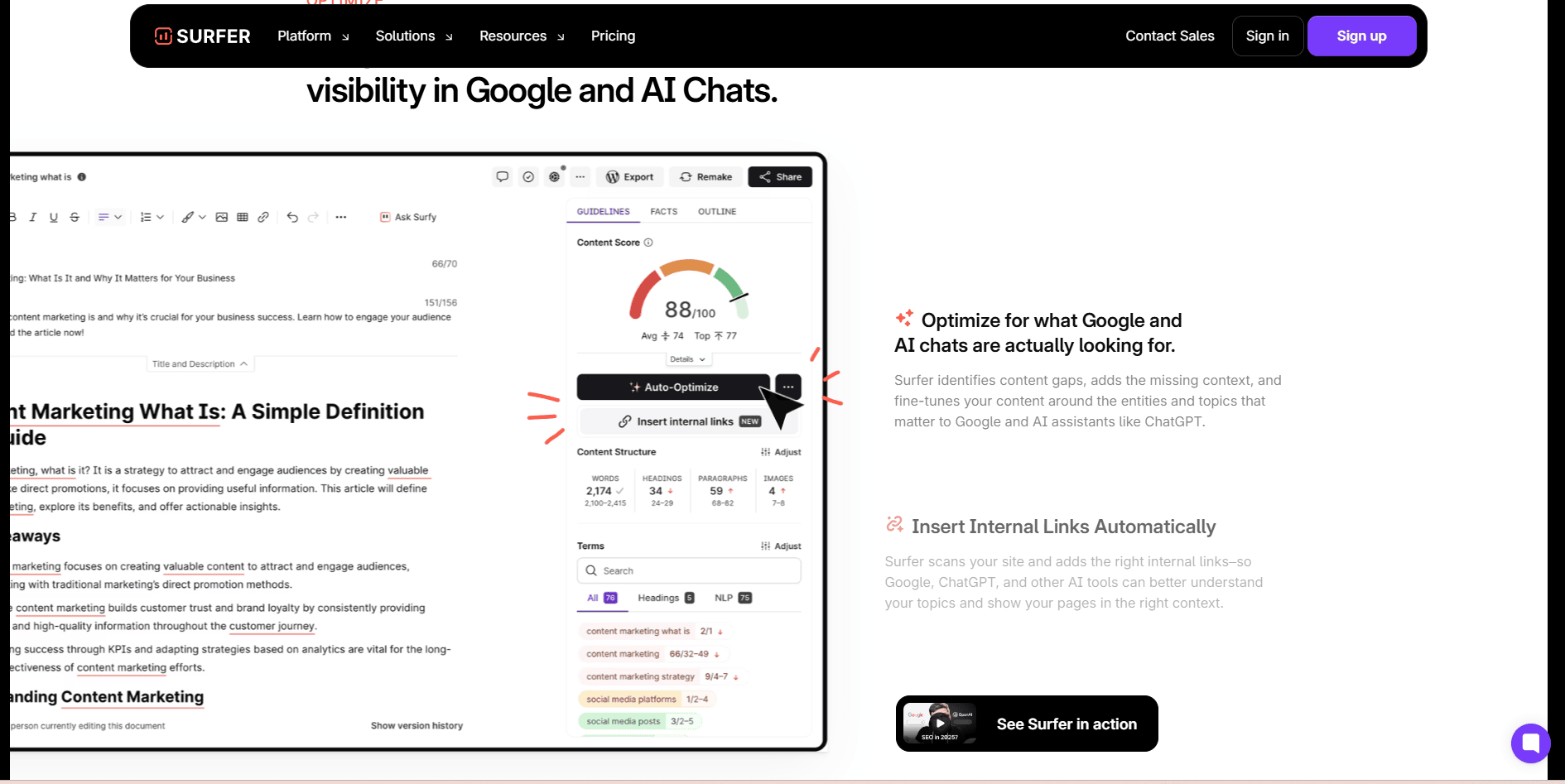
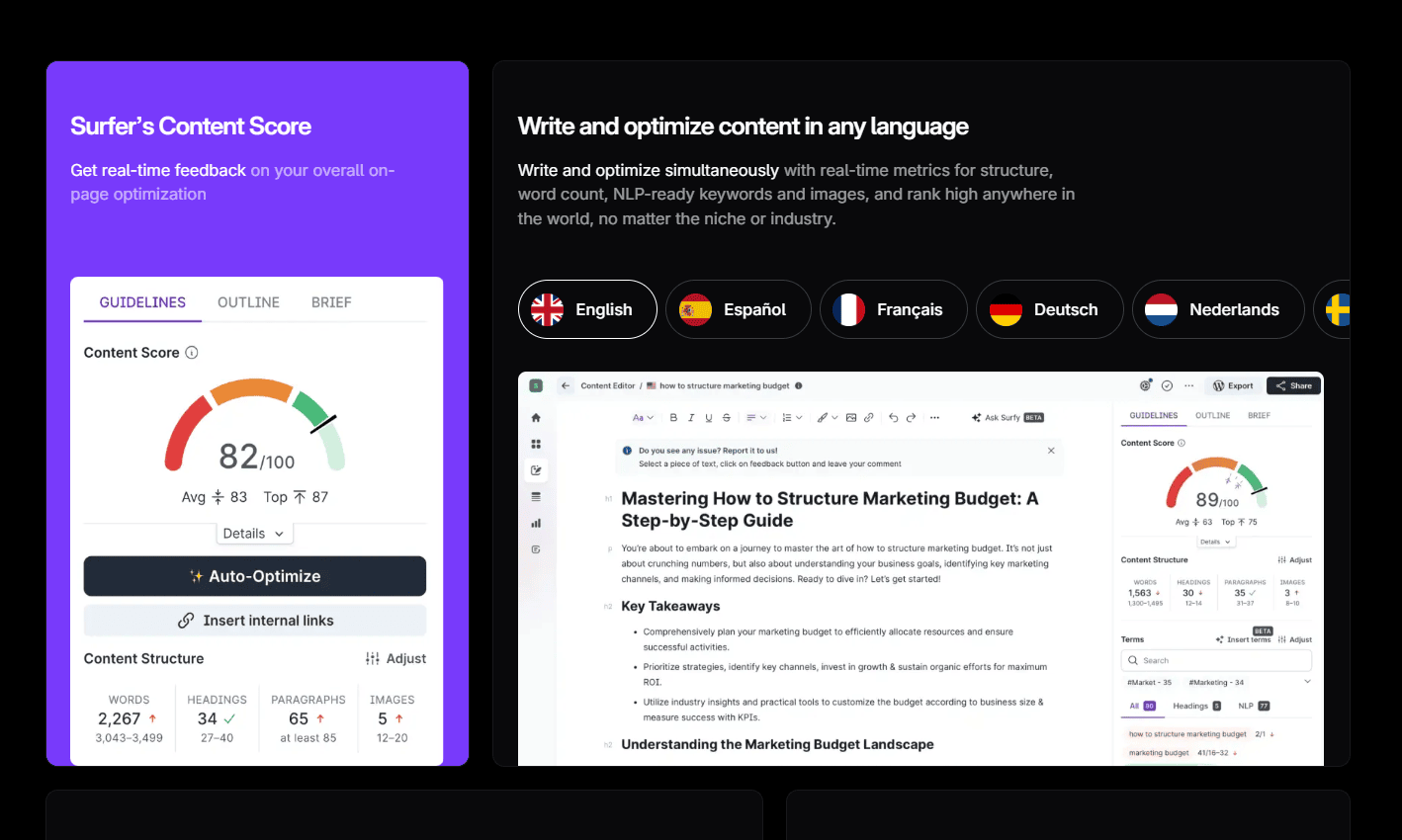
I have a massive amount of respect for Surfer SEO. When it comes to surgical, manual on-page optimization, their NLP (Natural Language Processing) engine is completely unmatched. If you have one highly competitive "money keyword" and you need to manually tweak an article to perfectly match the top 10 competitors, Surfer is the tool you want.
However, when we look at Surfer strictly as an AI Content Generator, the narrative changes dramatically. Surfer’s AI generation model forces you to buy expensive "Credits" on top of an already pricey monthly subscription.
This massive cost barrier completely kills the ability to scale. While tools like Postlabs let you generate 100 perfectly formatted articles for a few dollars, generating that same volume with Surfer AI would cost you thousands. It is a 1-by-1 tool for perfectionists, not a bulk engine for dominating SGE.
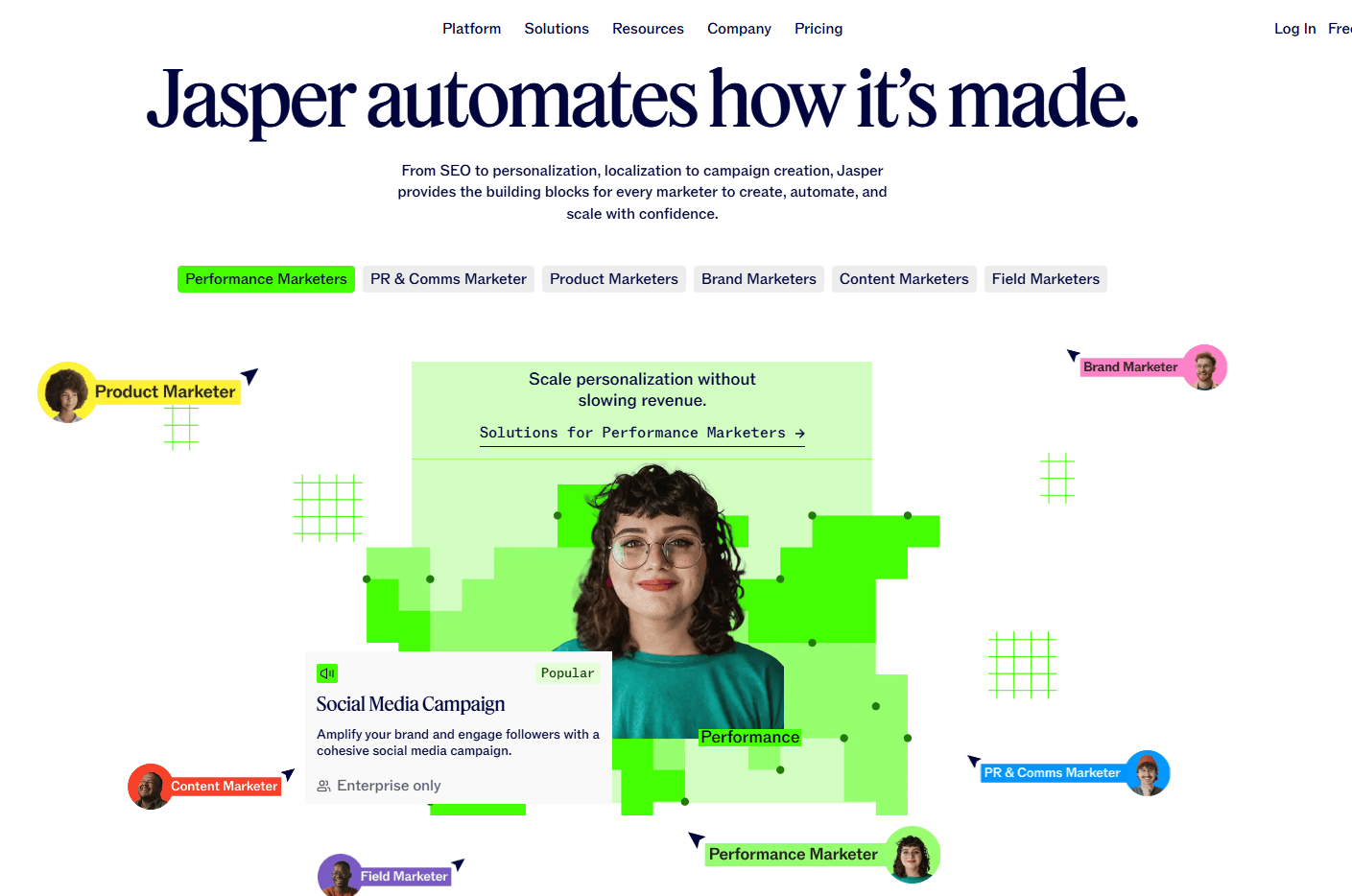
A powerhouse for creative copywriting and social media, but struggling to adapt to the AEO era.
Tested on Live Niche Sites • By Philipp Bolender
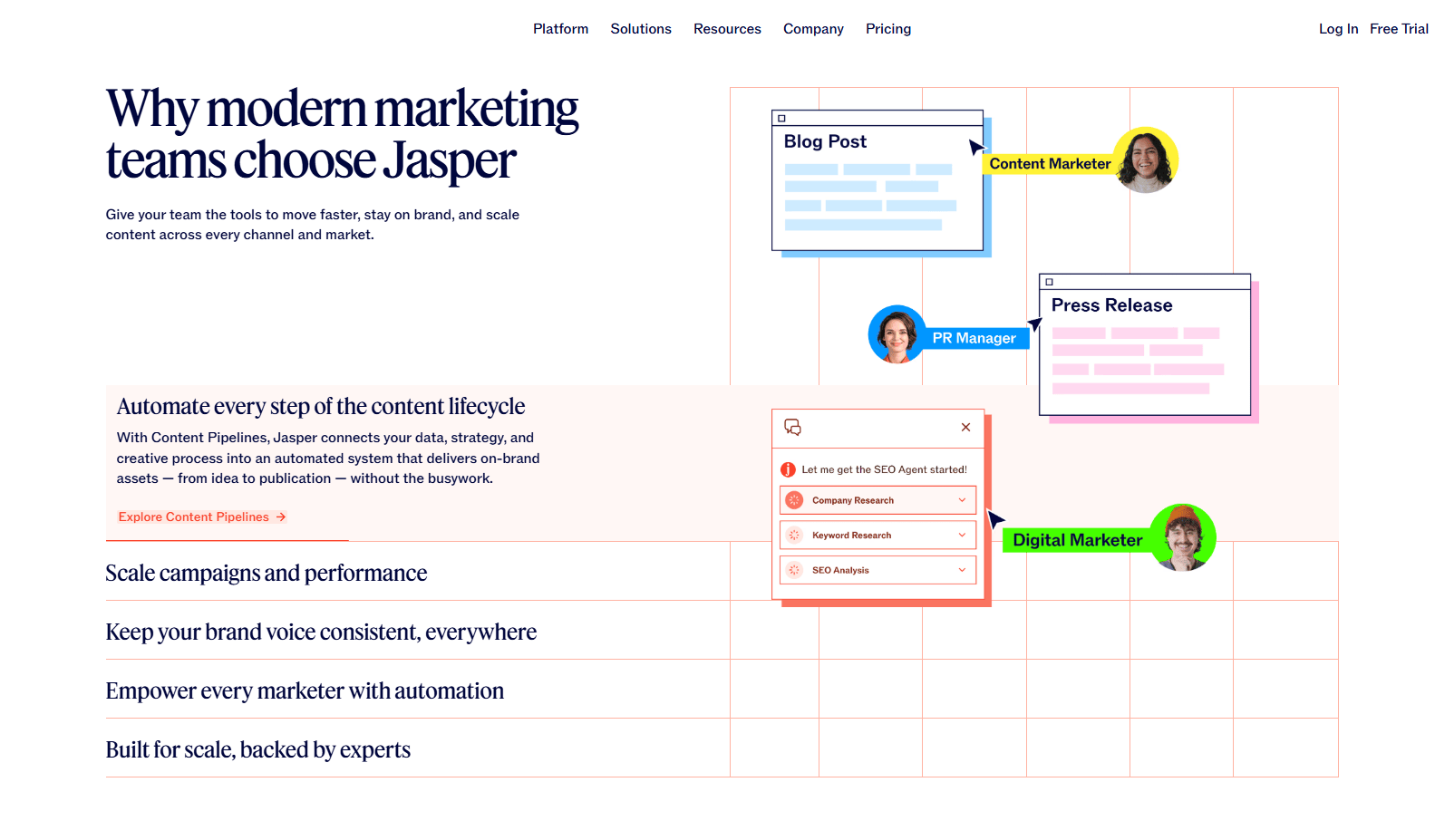
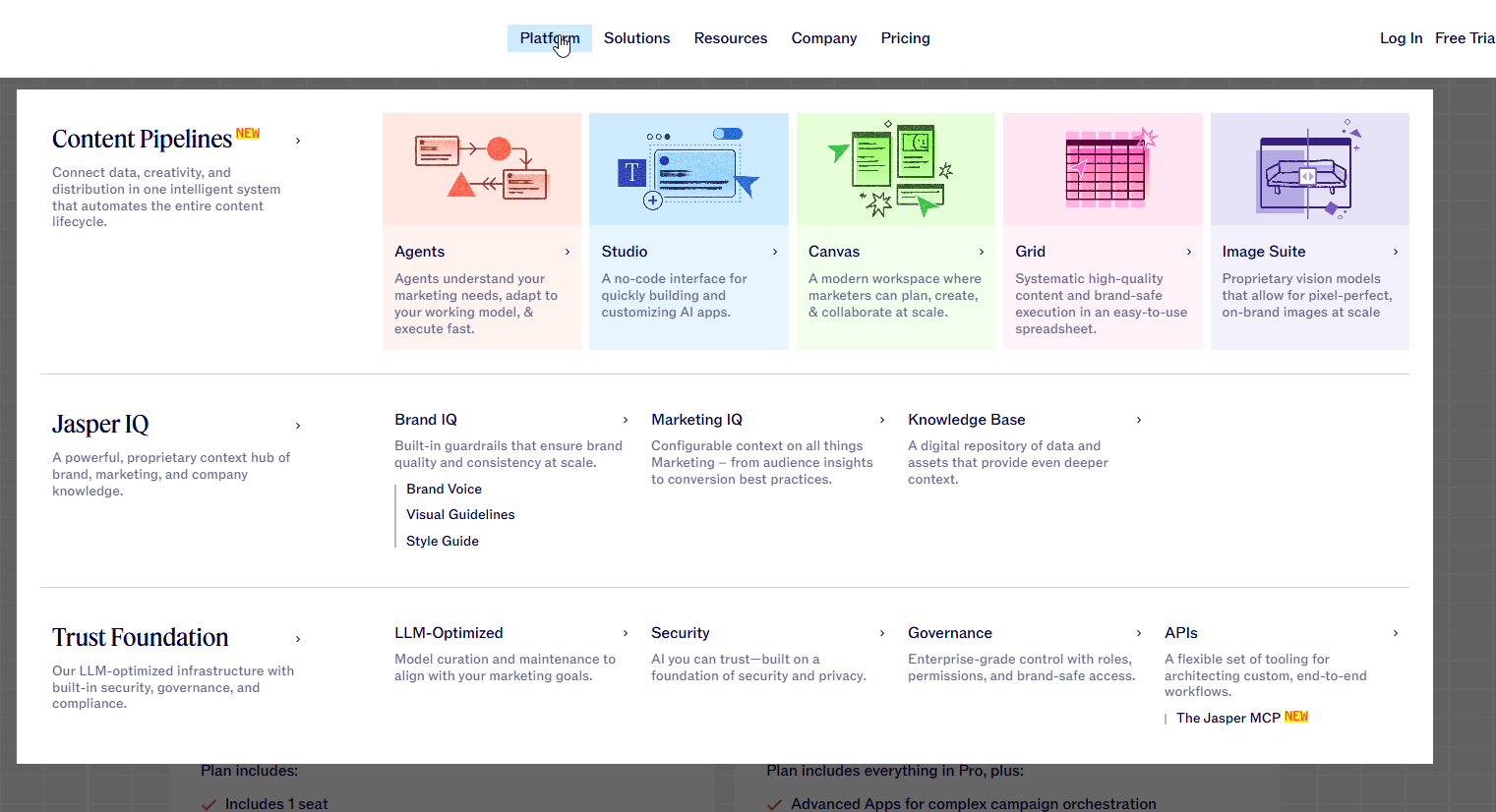
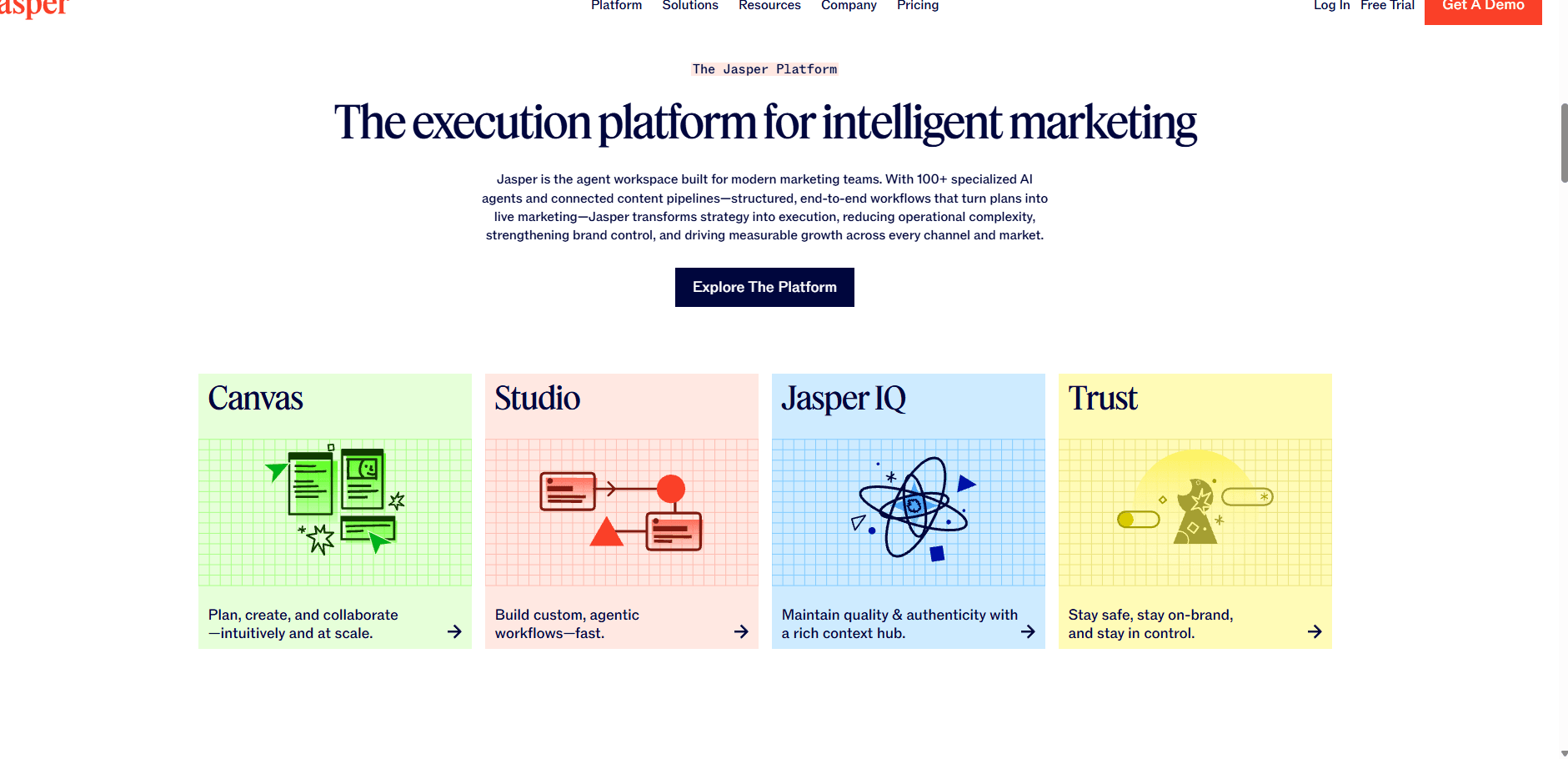
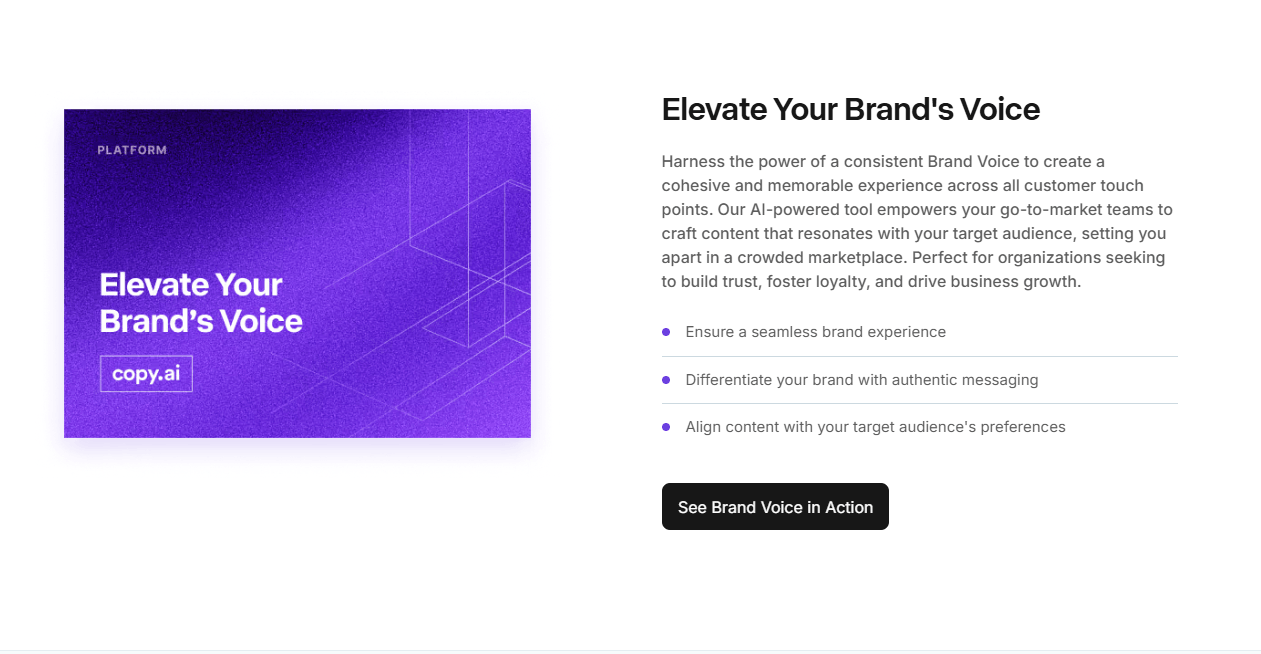
There is no denying that Jasper played a massive role in mainstreaming AI content generation. If you are running an agency, generating Facebook Ad copy, writing email sequences, or maintaining a specific brand voice across social media, Jasper is arguably the best tool on the market.
However, this is an audit of SEO Content Engines. And when we look at Jasper through the lens of modern, automated niche site publishing, its weaknesses become very apparent.
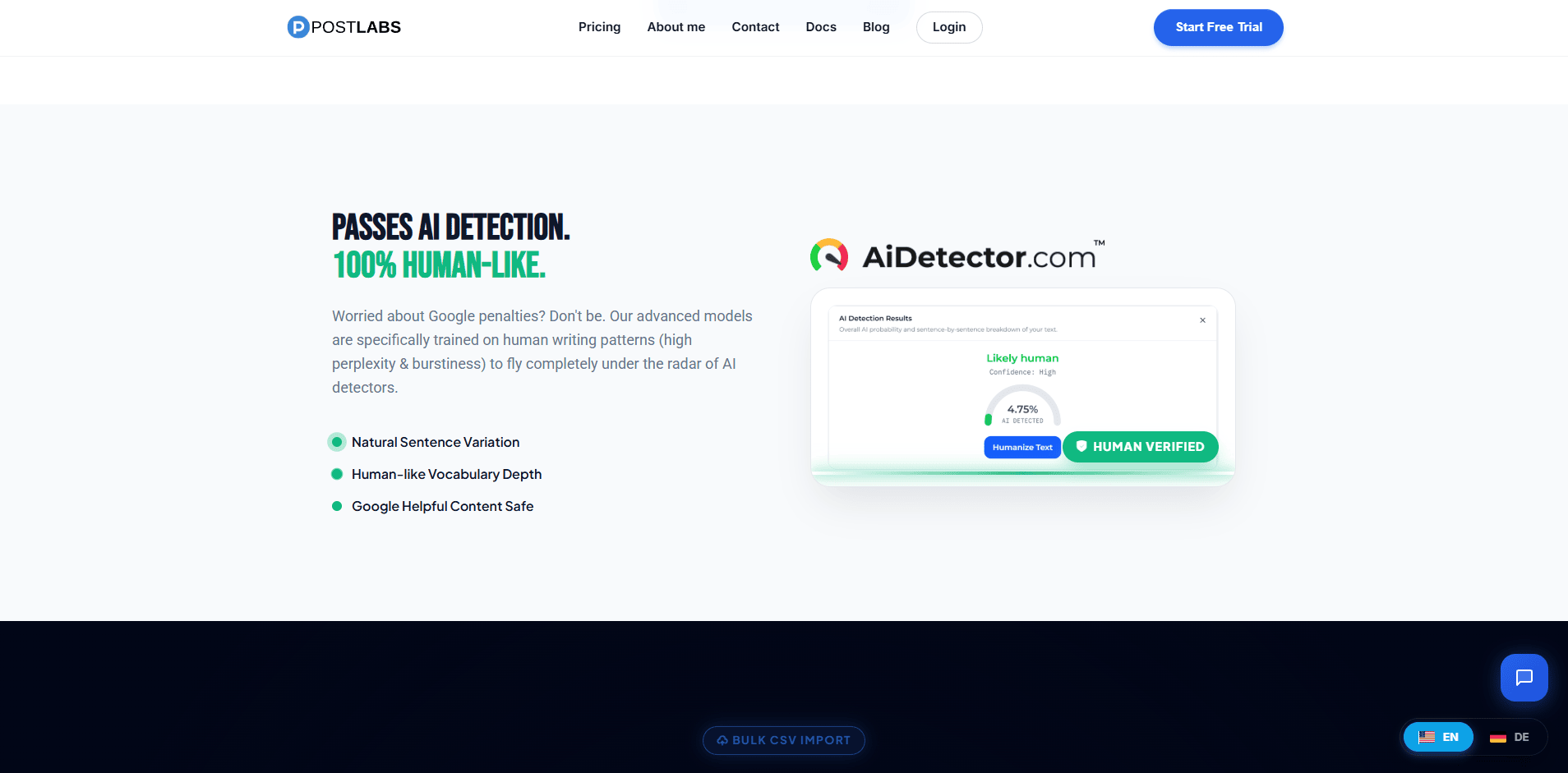
Jasper operates heavily on manual prompting rather than automated 1-click workflows. There is no built-in Mass Bulk Creator via CSV, and you are forced to use third-party tools like Zapier if you want to automatically sync your content to WordPress. Furthermore, its output regularly scores poorly on AI detectors (20-40% Humanity Score), which introduces a massive layer of risk for long-form SEO publishers who rely on organic Google traffic.
A reliable tool for highly structured long-form content and technical outlines.
Tested on Live Niche Sites • By Philipp Bolender
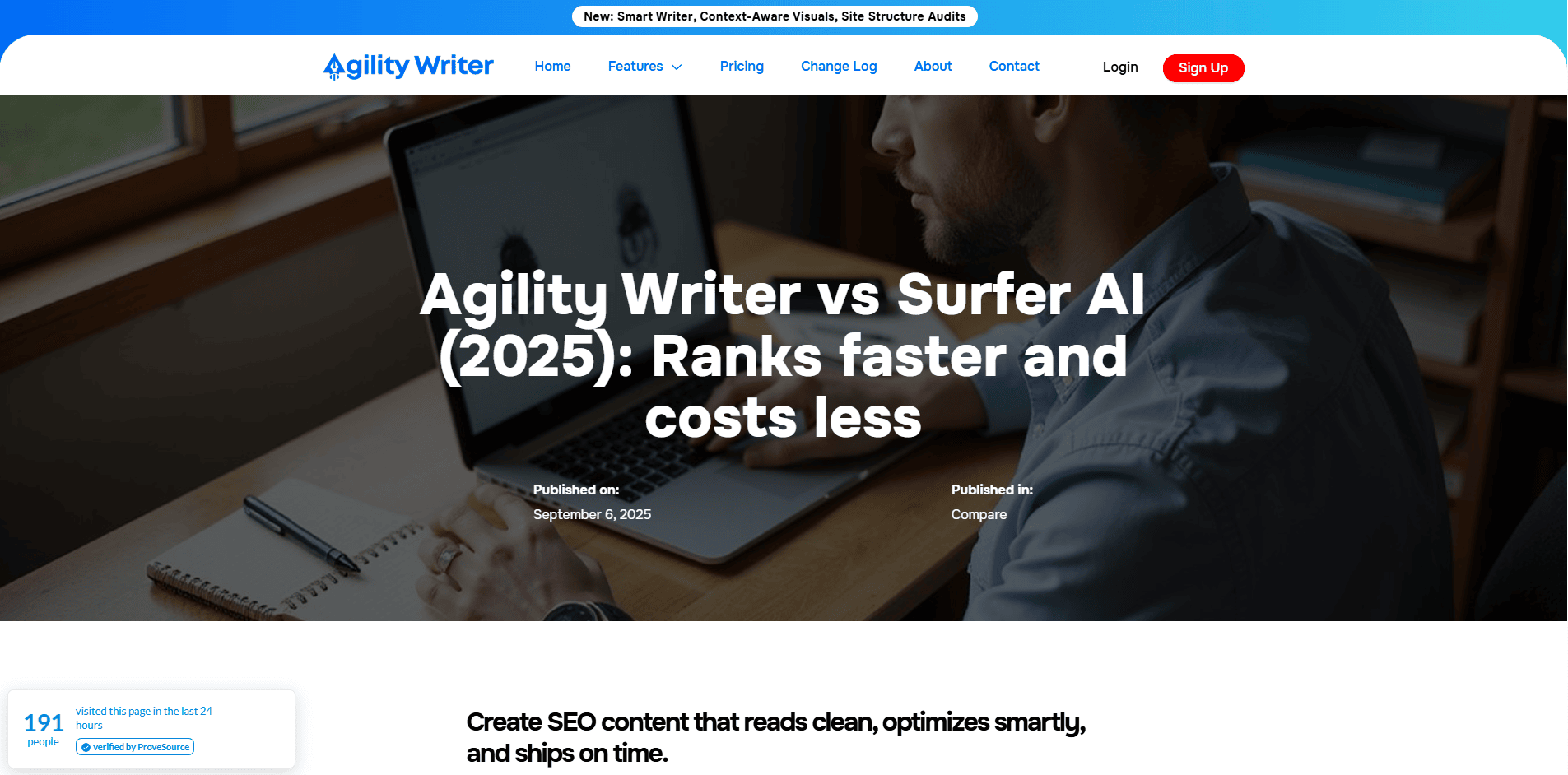
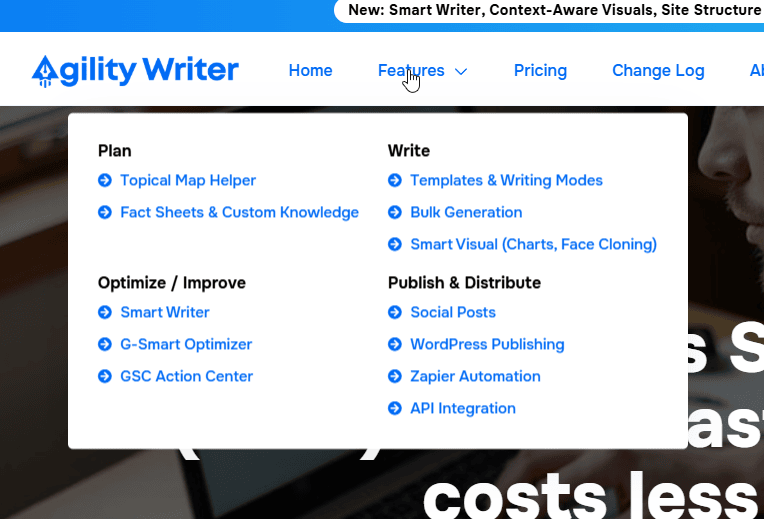
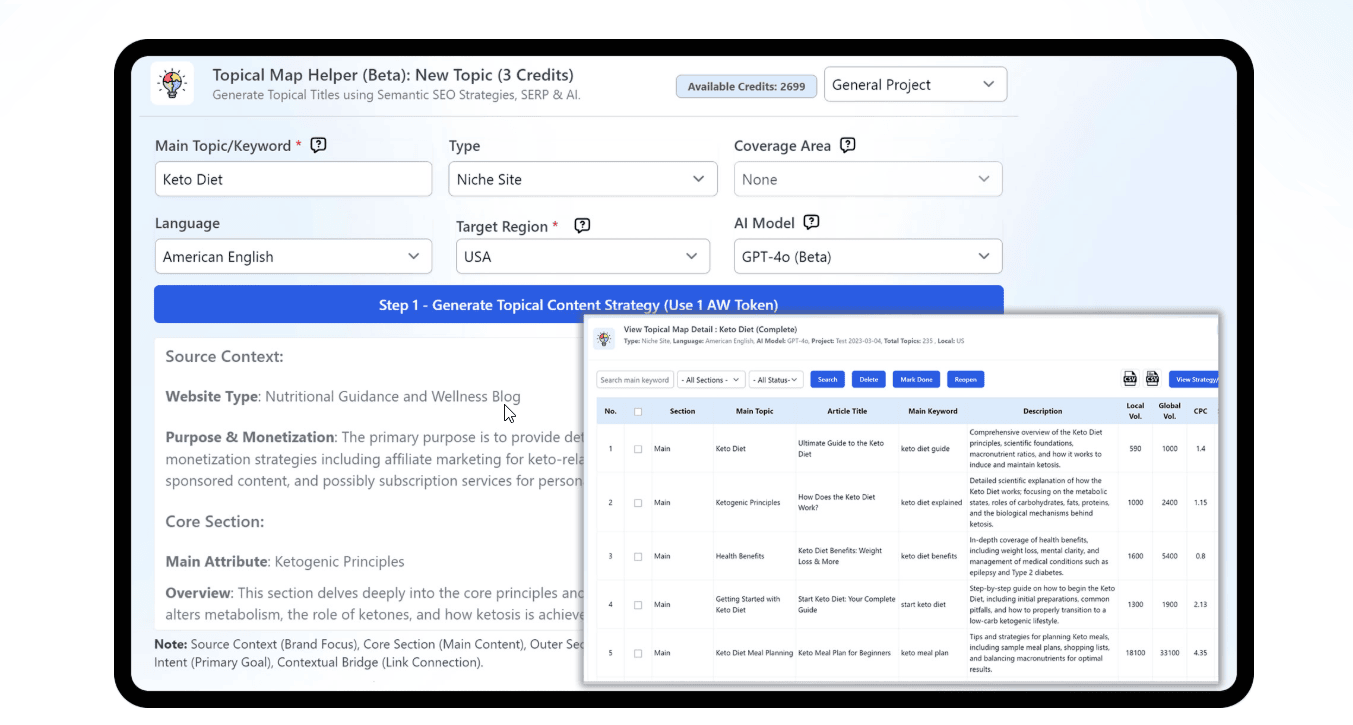
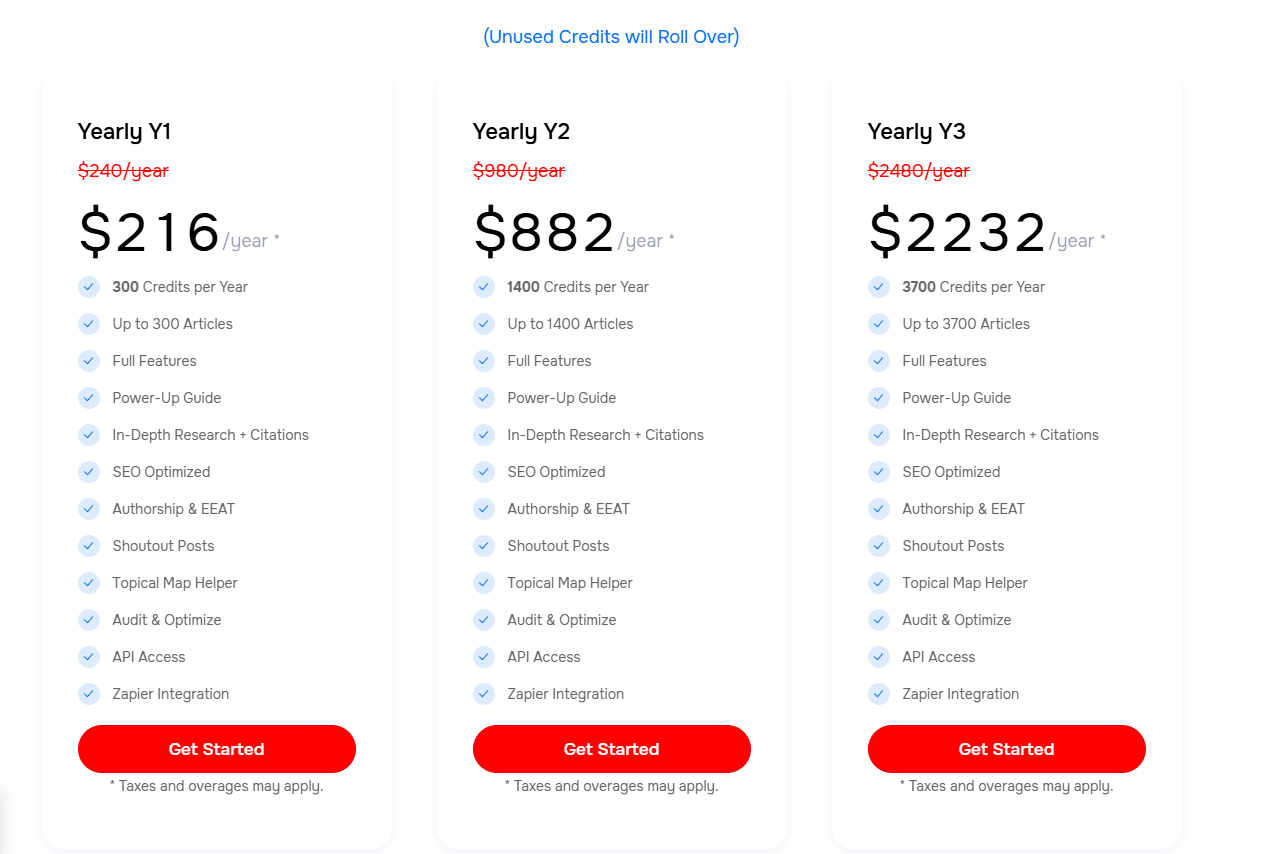
Agility Writer has built a solid reputation among SEOs who prefer granular control over their content structure. If you need to generate a highly detailed, 4,000-word silo article, their outline generator is undeniably robust. The built-in Queue System also makes it relatively easy to batch-produce multiple articles at a fair price (~$1.20 per article).
However, generating the text is only half the battle. Where Agility Writer loses significant ground to the top contenders is in its execution and workflow. It completely lacks a native CMS integration.
In the AEO era, pure text is no longer enough. Agility Writer outputs standard formatting (no native semantic HTML blocks for AI engines), has limited multilingual support, and requires you to handle your own internal linking strategy manually. If you don't mind the manual labor of formatting and uploading, it's a decent tool—but it is certainly not a fully automated content factory.
Efficient 1-Click bulk generation with reliable WordPress integration.


Tested on Live Niche Sites • By Philipp Bolender
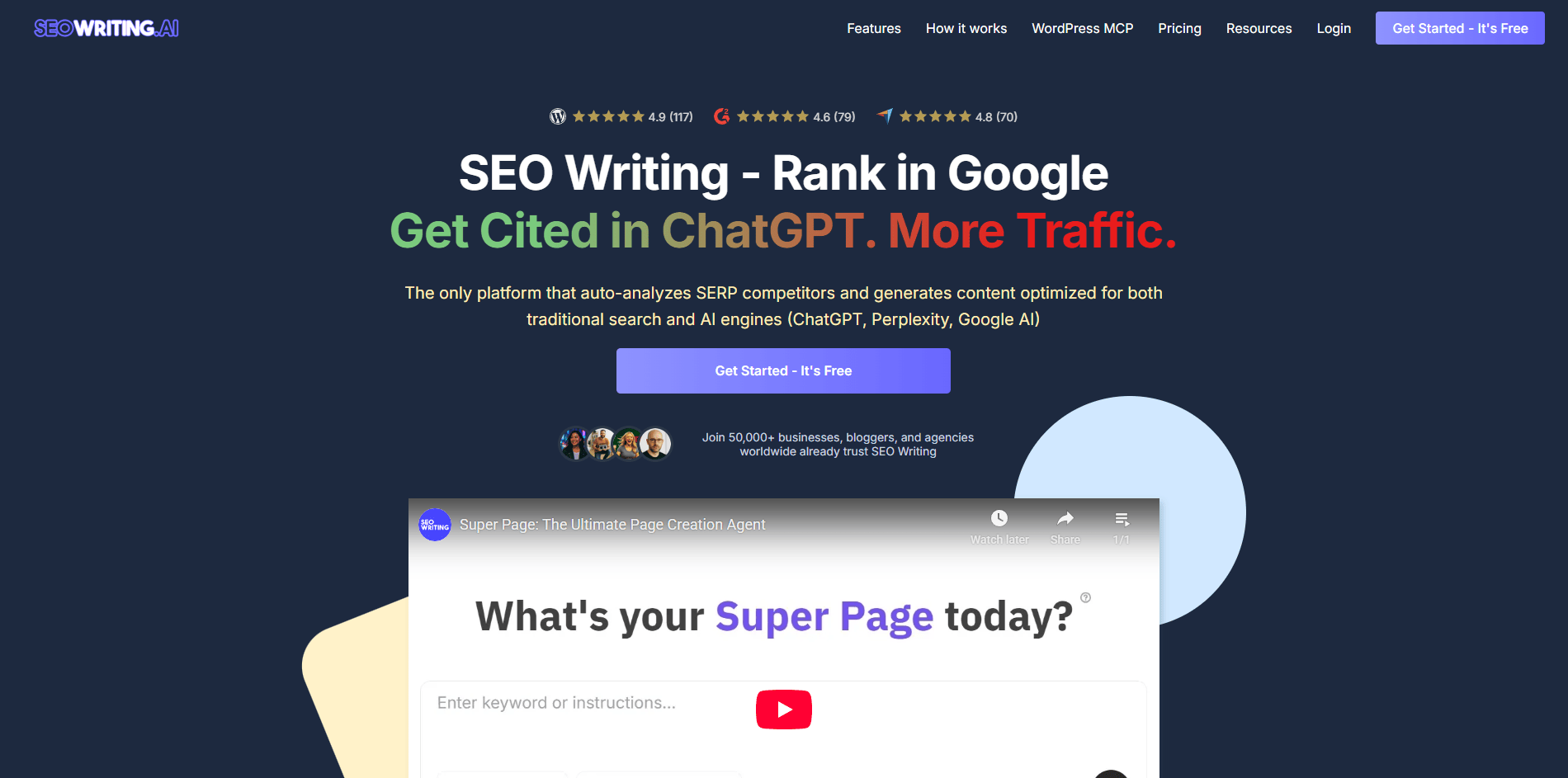
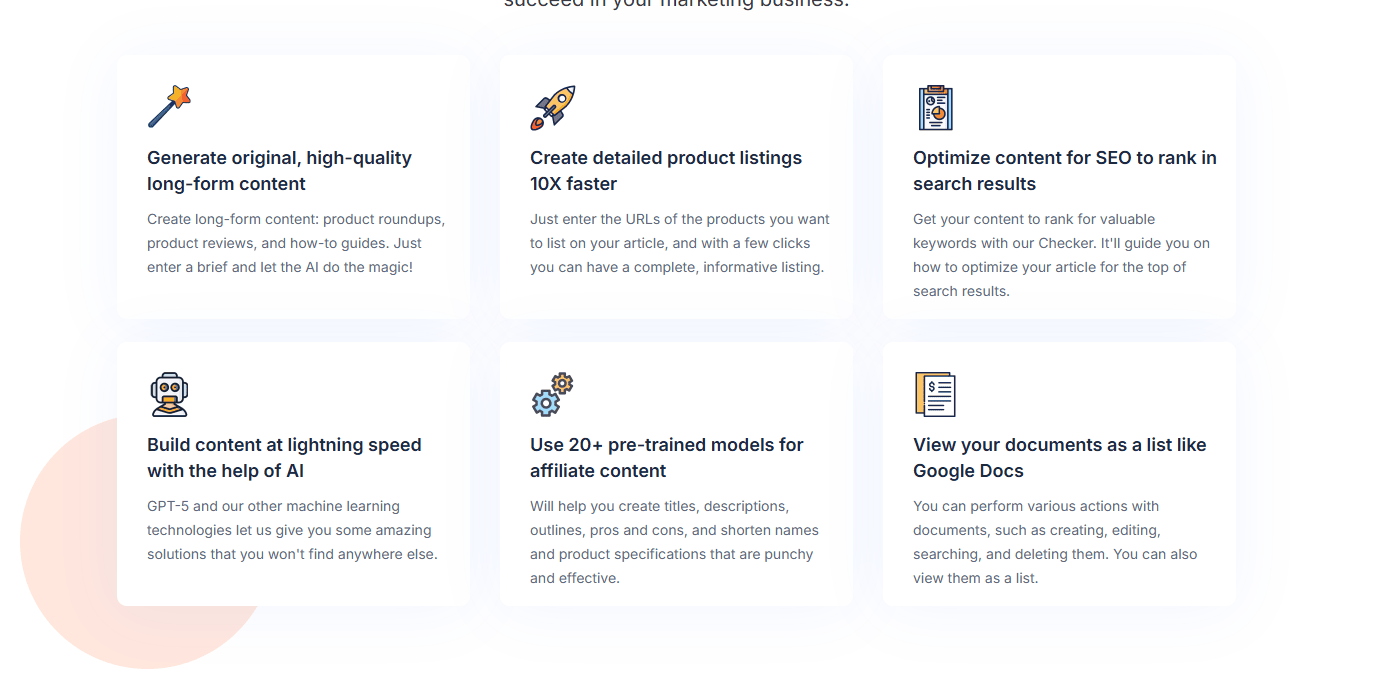
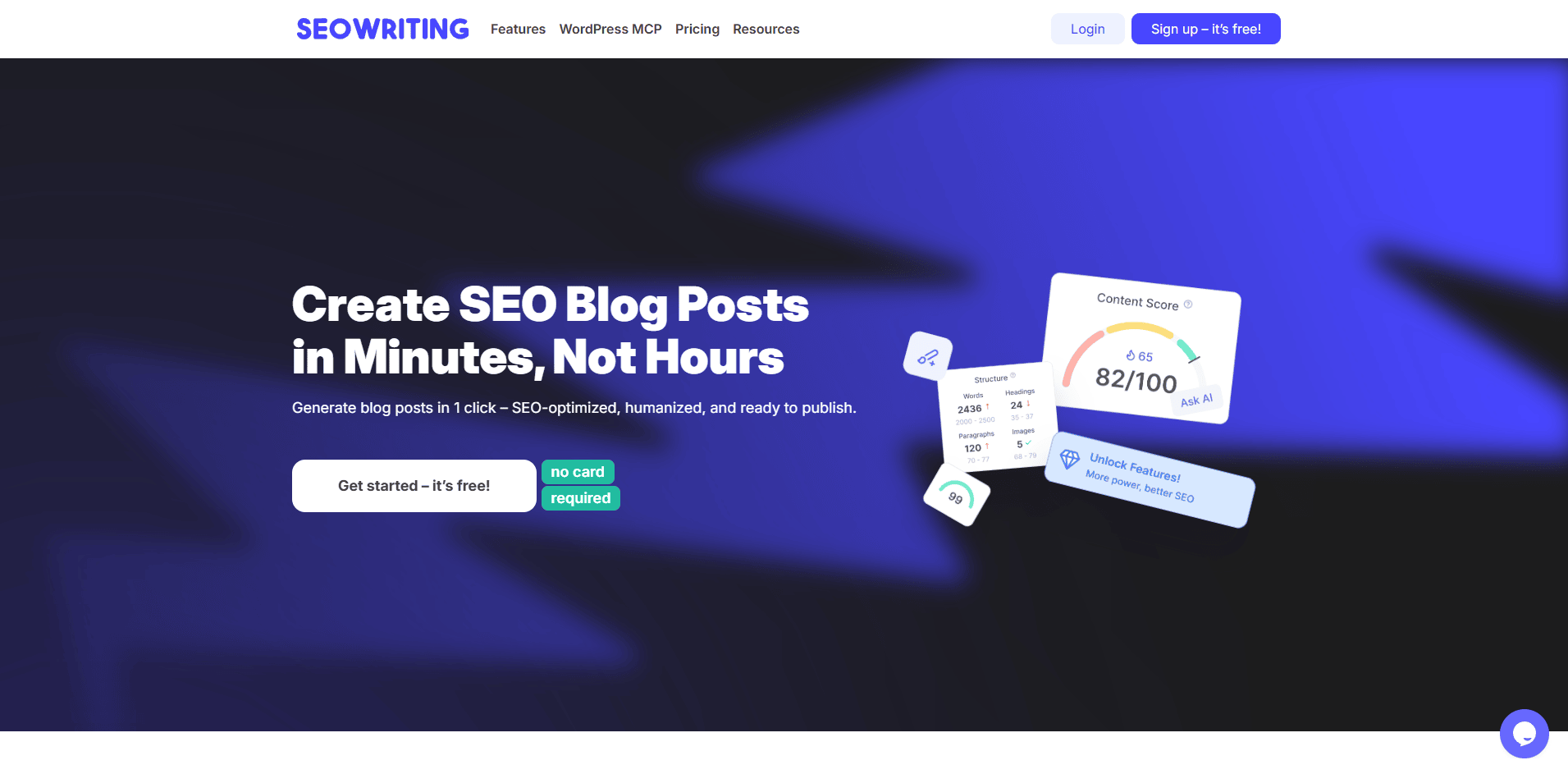
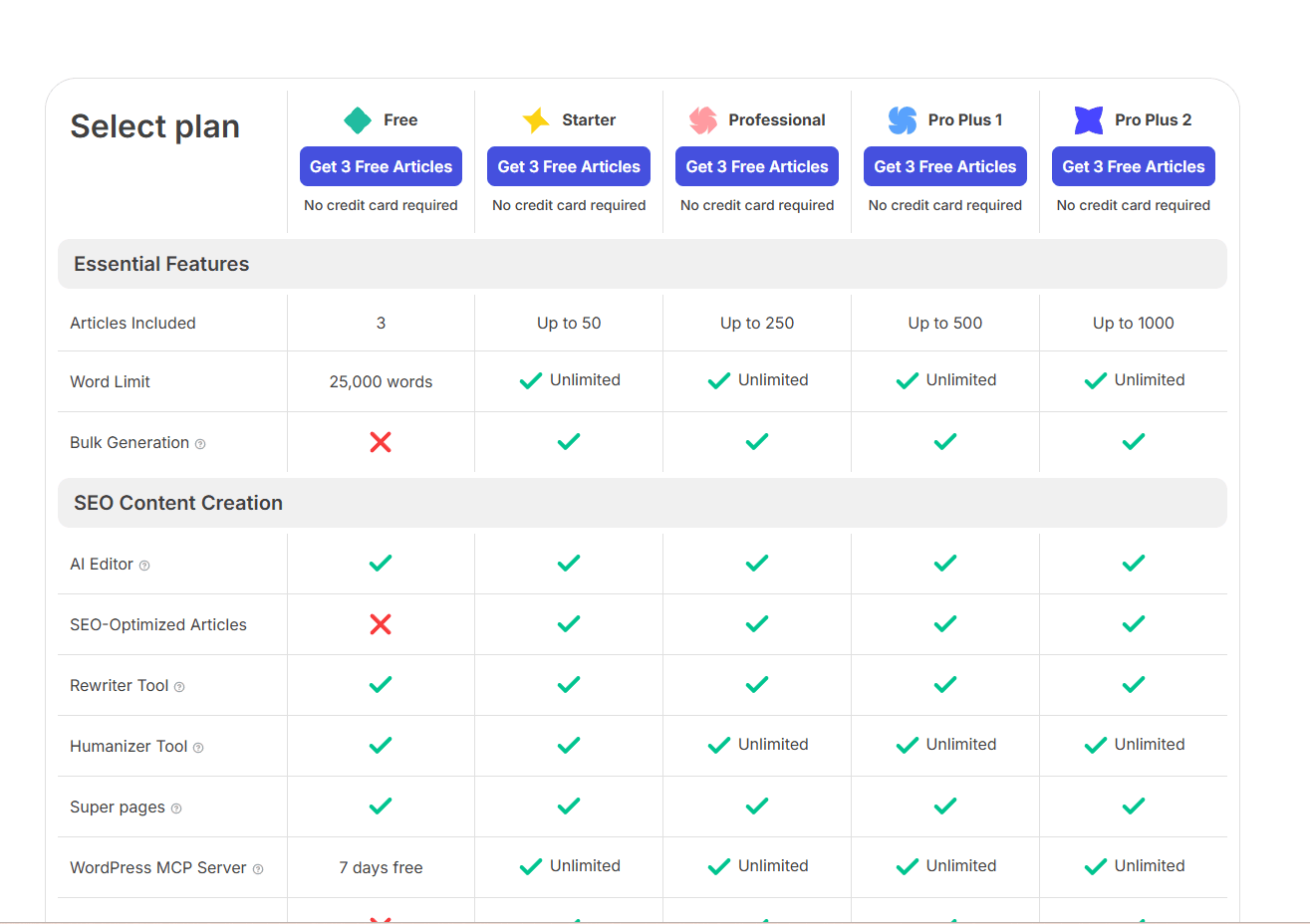
When it comes to pure output efficiency and getting content directly onto your website without friction, SEOWriting.ai is a solid performer. Its native WordPress integration allows publishers to completely skip the copy-paste phase. Combined with an extremely low cost of around ~$0.50 per article, it’s highly attractive for budget-conscious site builders.
However, publishing speed isn't everything. Where SEOWriting.ai struggles against the top contenders is in the actual architecture of the generated code.
The output relies heavily on pre-set designs and basic HTML formatting. It completely lacks the deep, 100% customizable AEO blocks and structural data that modern Google Core Updates reward. Furthermore, the internal linking feature is quite basic compared to true autopilot systems. If you just need standard text pushed to a blog quickly, it works nicely—but it won't give you a technical edge over your competitors.
A robust platform for building topic silos and guiding the AI step-by-step.


Tested on Live Niche Sites • By Philipp Bolender
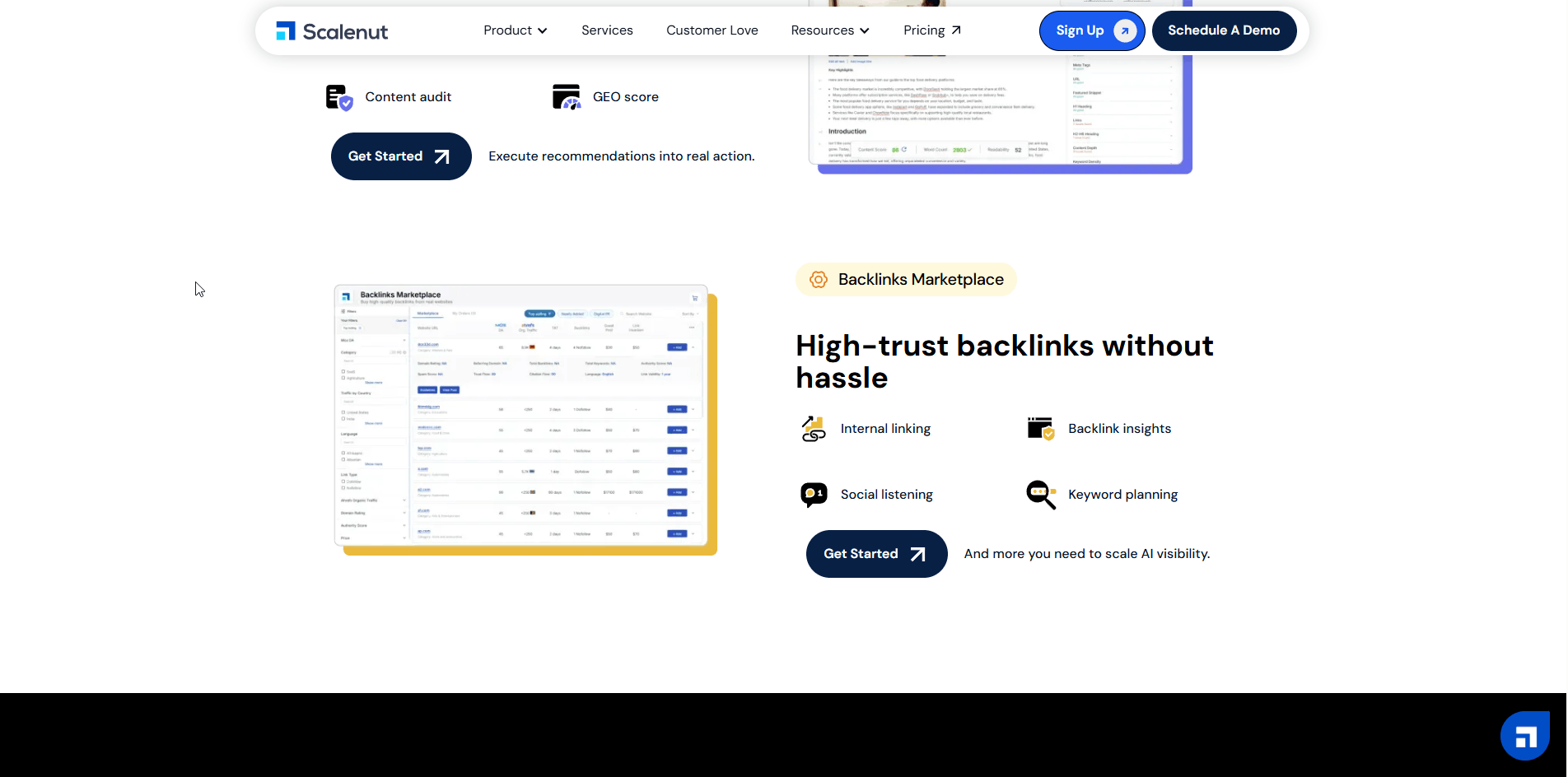
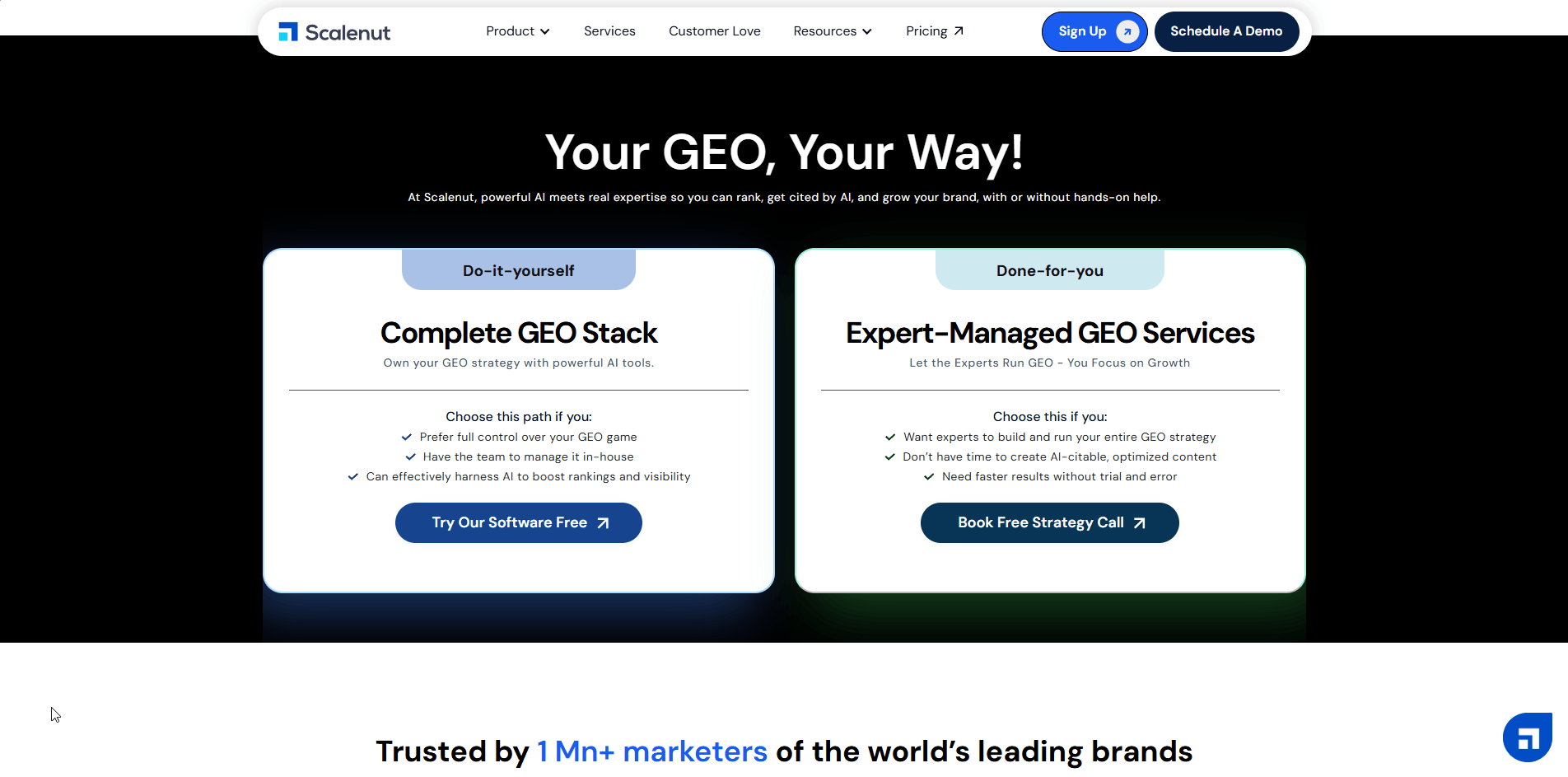
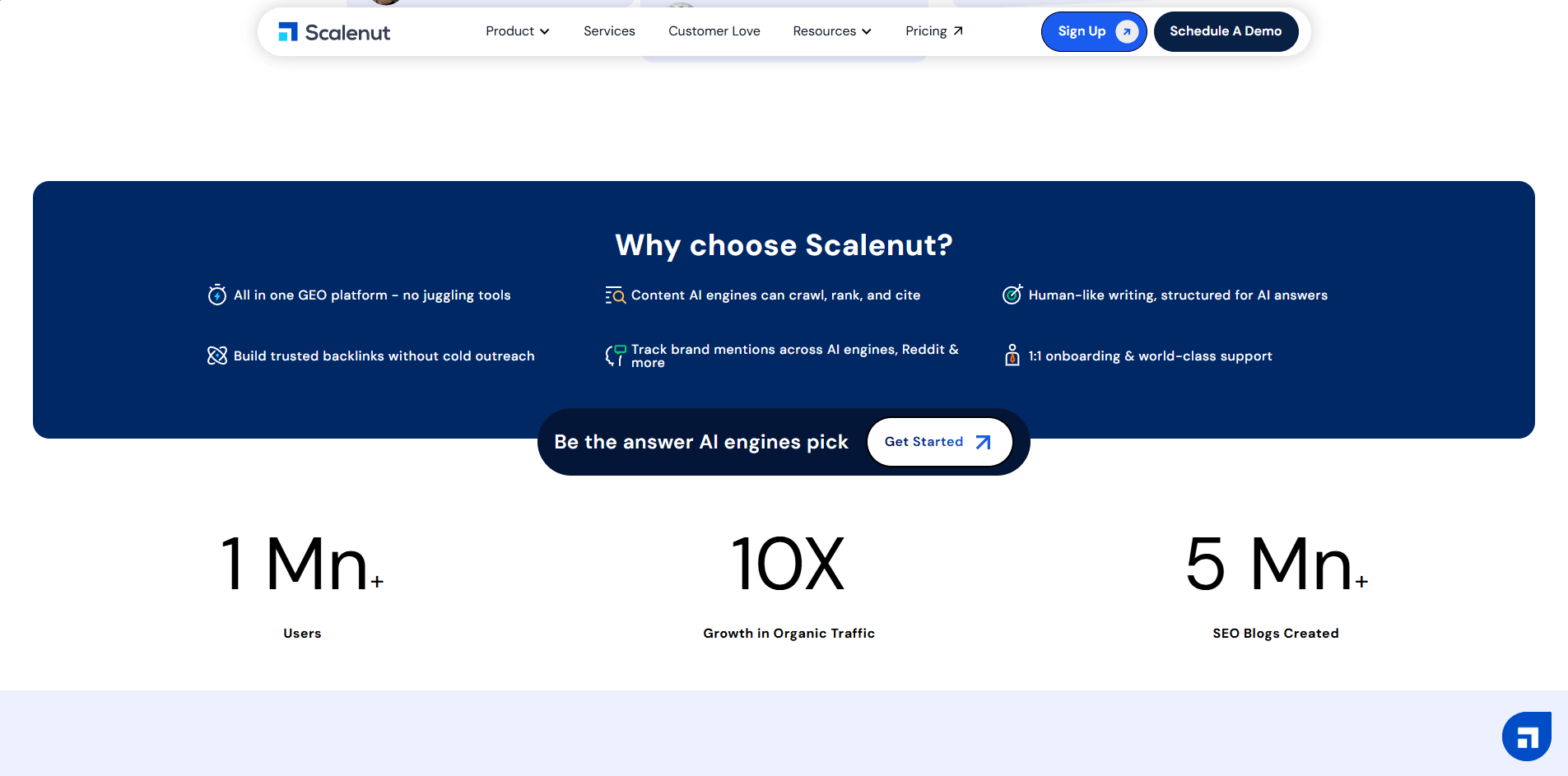
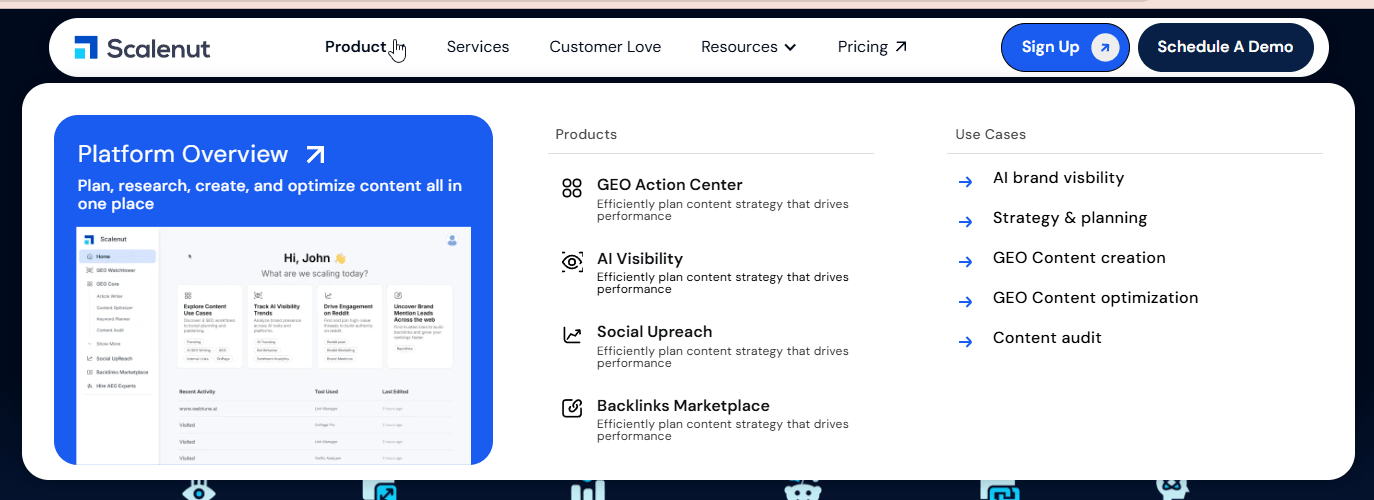
If you prefer a highly guided, step-by-step approach to content creation, Scalenut is an incredibly robust platform. Its standout feature is the "Cruise Mode," which walks you through the entire lifecycle of an article—from initial keyword research and topic silo planning to the final draft generation. It also includes native WordPress syncing and a smart internal linking tool, making it a very capable all-in-one suite.
However, when we evaluate tools for high-volume, modern niche site publishing, Scalenut has two major bottlenecks: cost and code architecture.
At roughly ~$3.00 per generated article, it is significantly more expensive than the top tools on this list. While the content planning is excellent, the AI output itself only scores around 75% on Humanity detectors, meaning you will need to spend time manually editing to avoid Google's spam filters. Additionally, it outputs standard HTML with locked designs, missing the highly structured AEO semantic blocks required to dominate modern SERPs.
Known for its robust Article Writer 6.0 and native Photosonic integrations.


Tested on Live Niche Sites • By Philipp Bolender
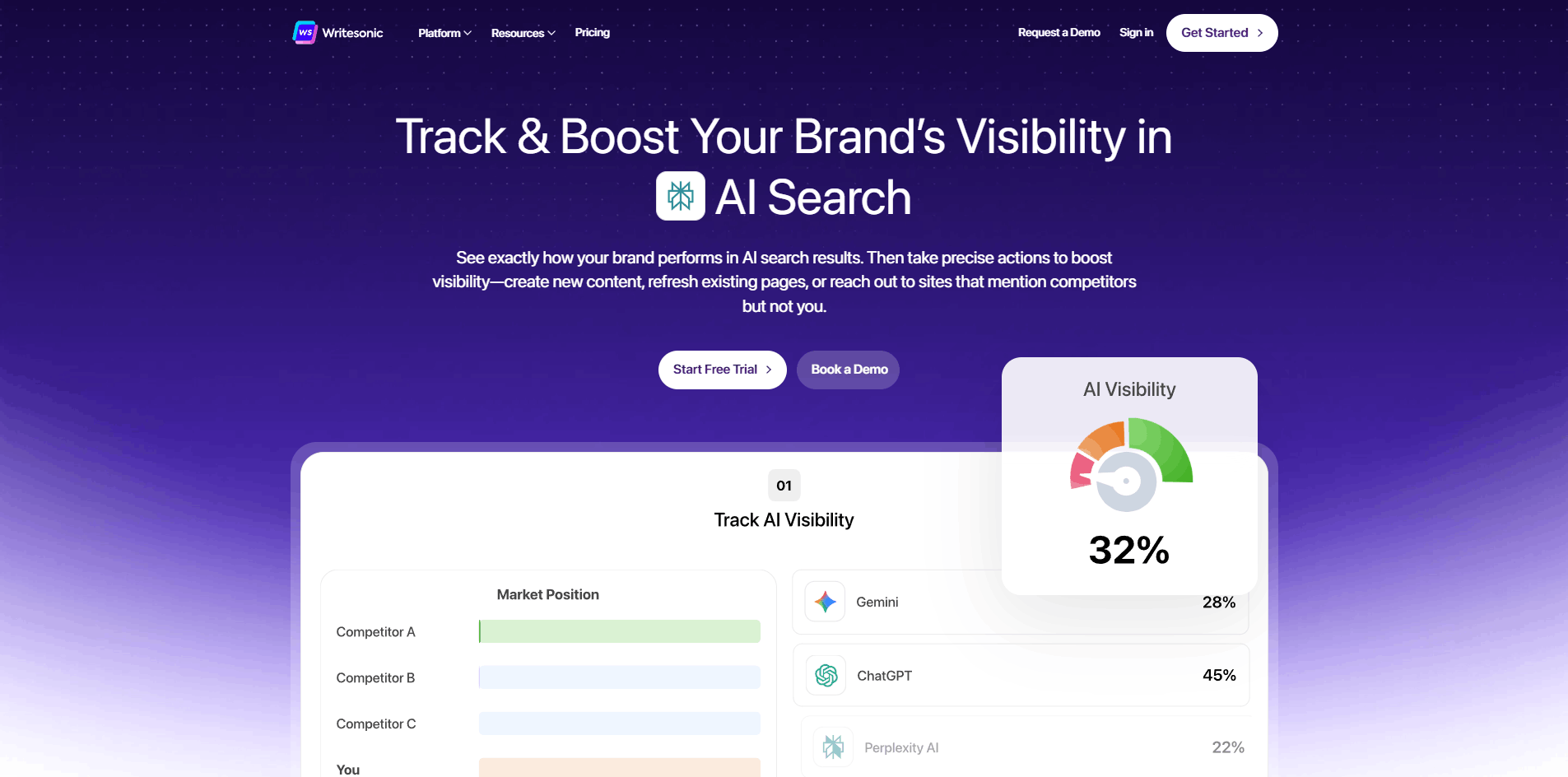
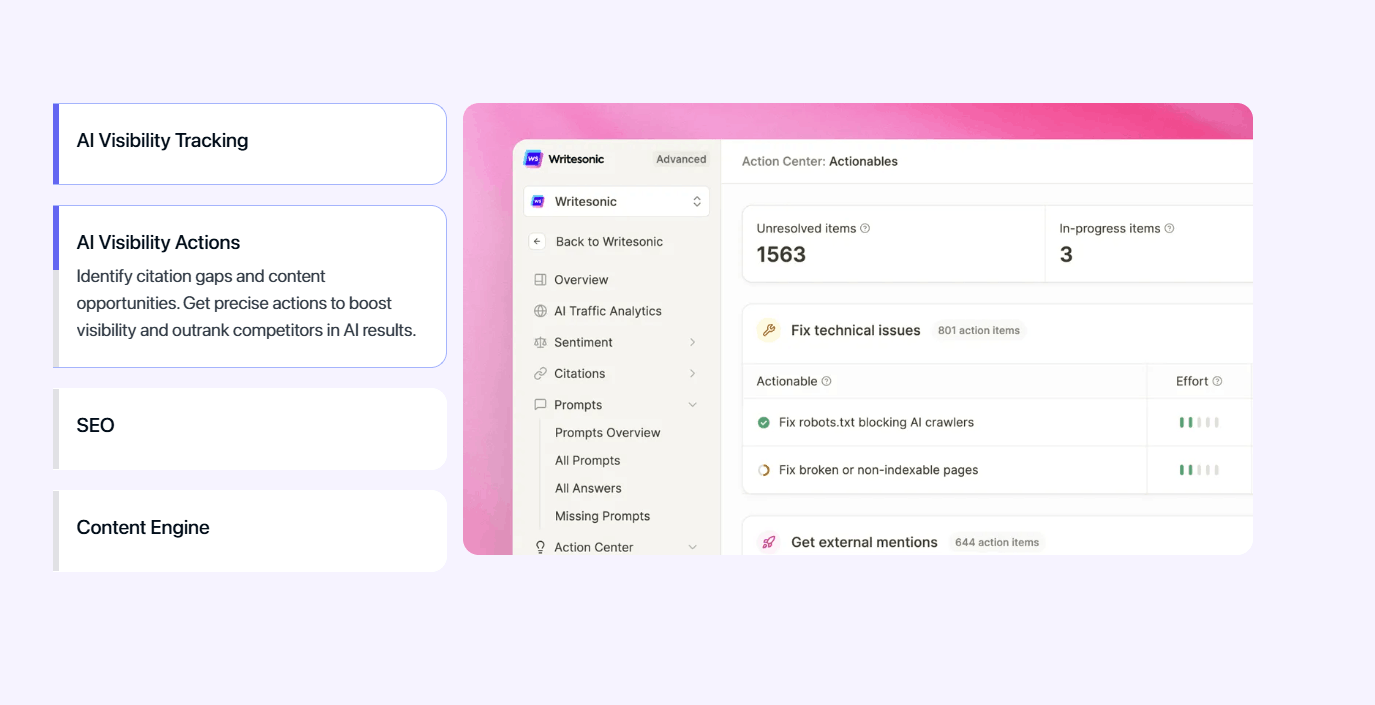
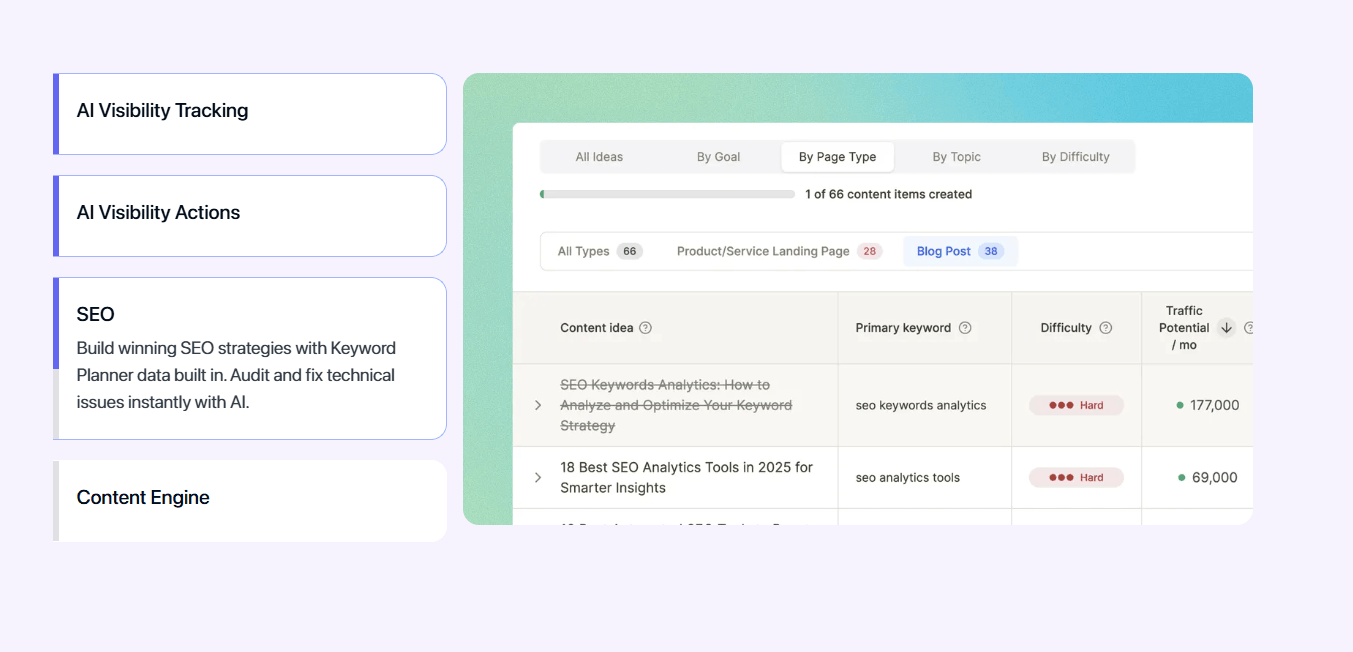
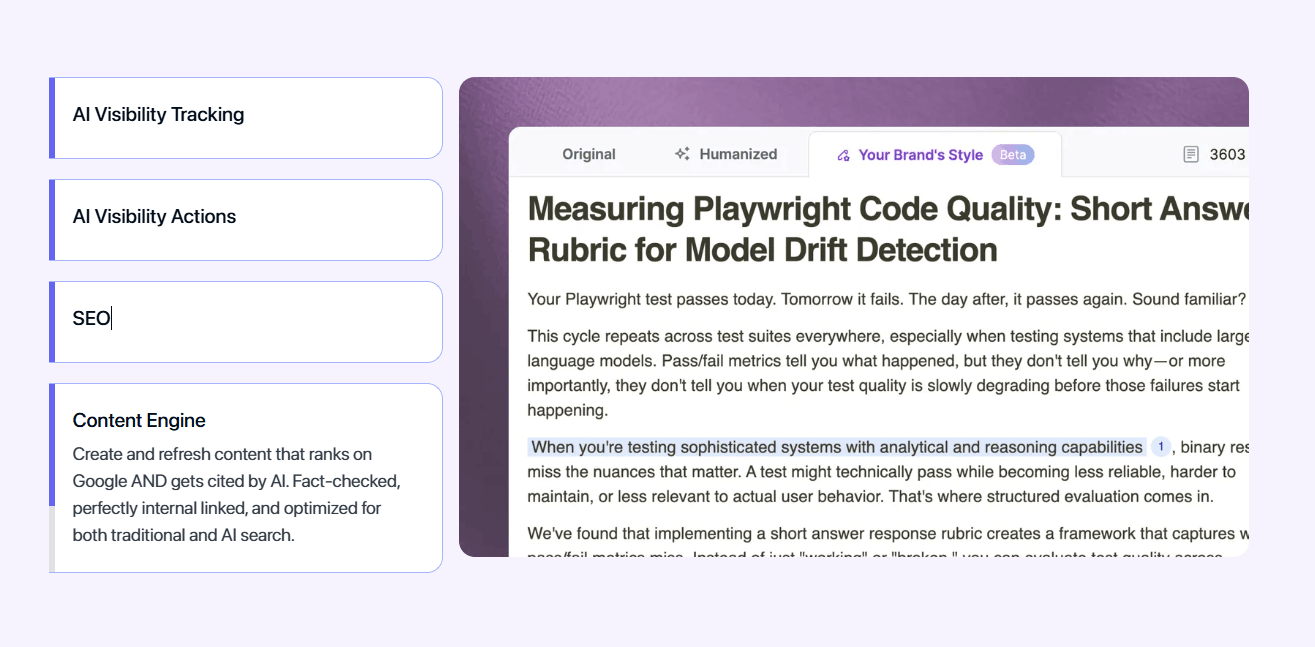
Writesonic is a massive, well-funded player in the AI landscape. With its heavily promoted Article Writer 6.0, it offers a very streamlined workflow for general content creation. It also natively integrates Photosonic for AI image generation, and allows you to push drafts directly to your CMS without needing a Zapier workaround.
However, when we evaluate it purely as an engine for ranking niche sites in competitive SERPs, its underlying architecture reveals critical vulnerabilities.
At roughly ~$2.00 per article, you are paying for speed and ecosystem integration, not structural depth. The output is standard HTML without the crucial AEO semantic blocks needed to dominate modern AI Overviews. Furthermore, it completely lacks a topic cluster generator and internal linking logic. You essentially get a raw, detectable AI draft that requires substantial human intervention to rank safely.
Advanced NLP content editing combined with basic WP push functionality.


Tested on Live Niche Sites • By Philipp Bolender
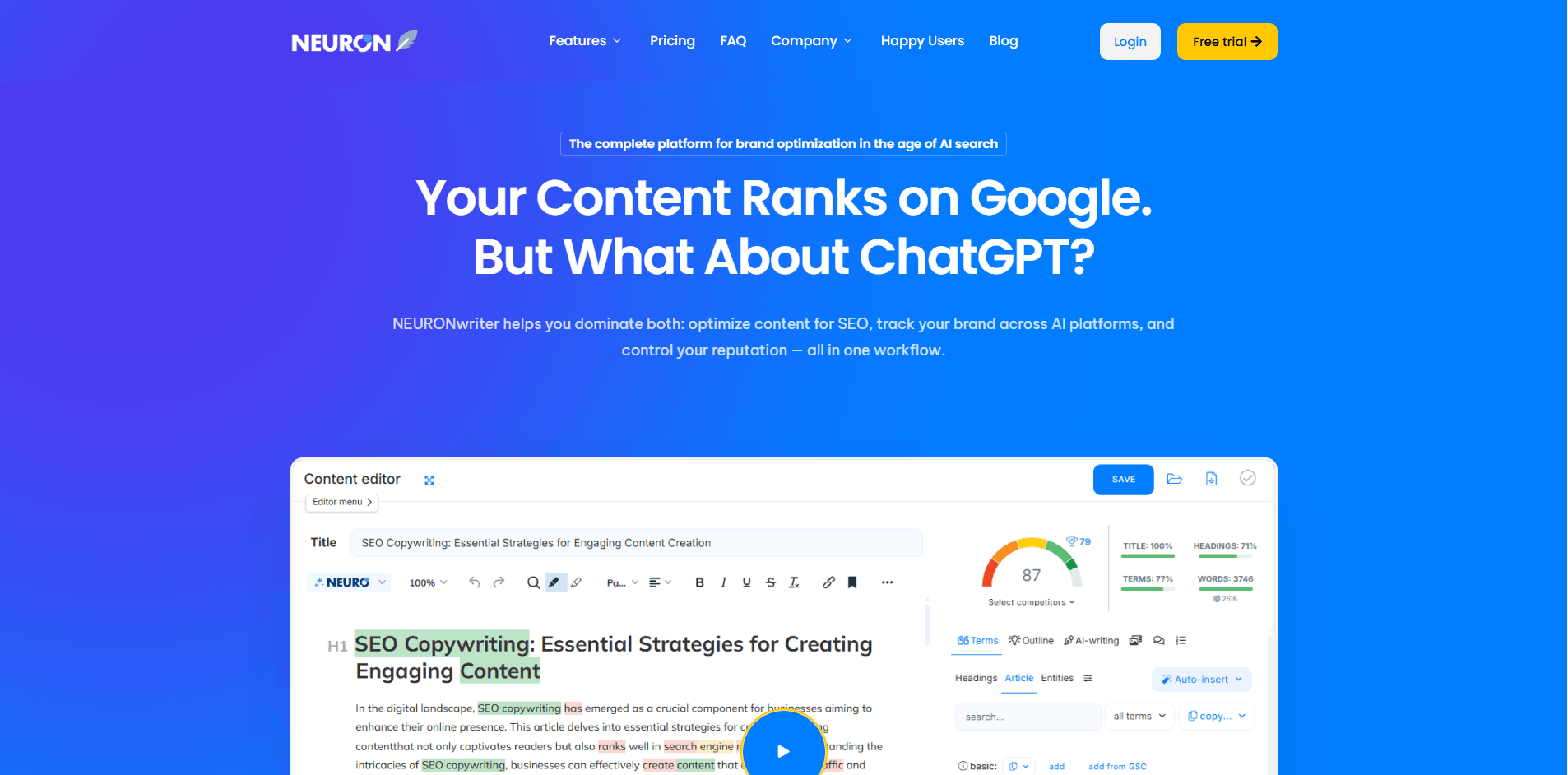
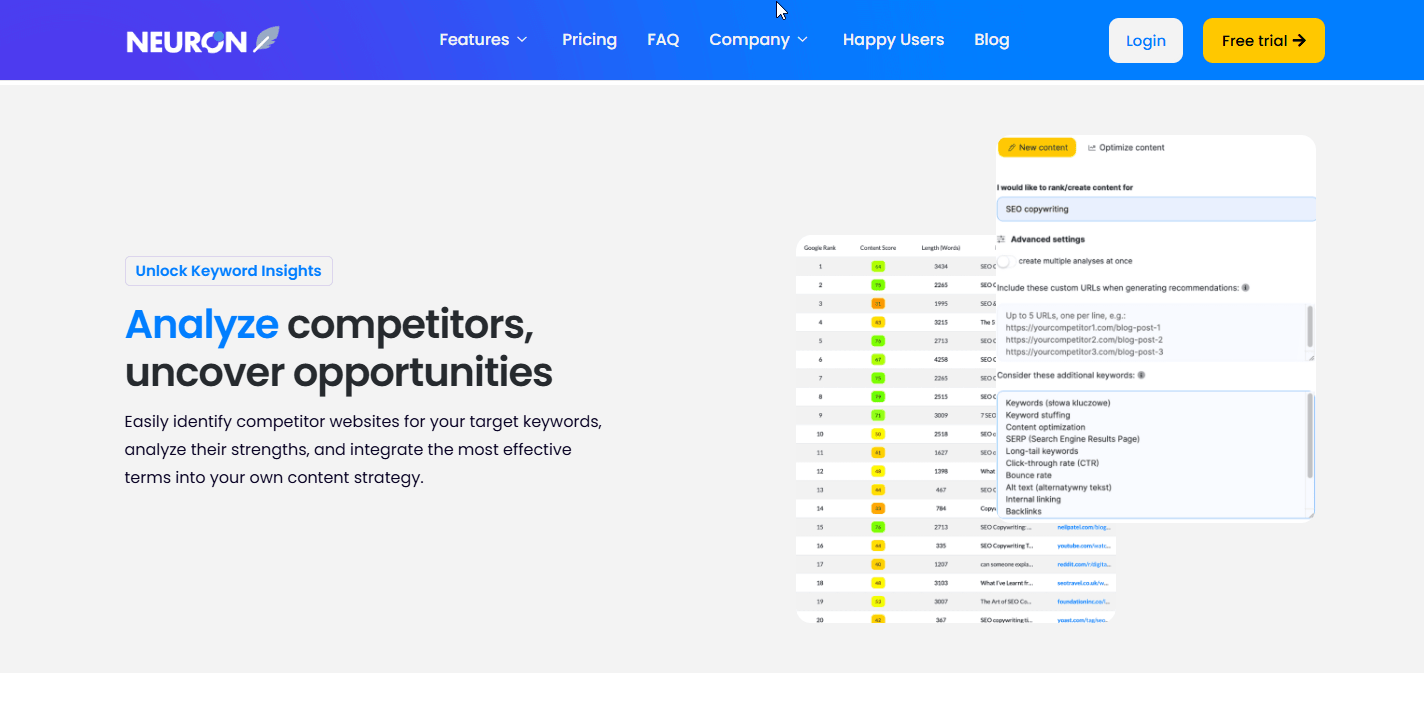
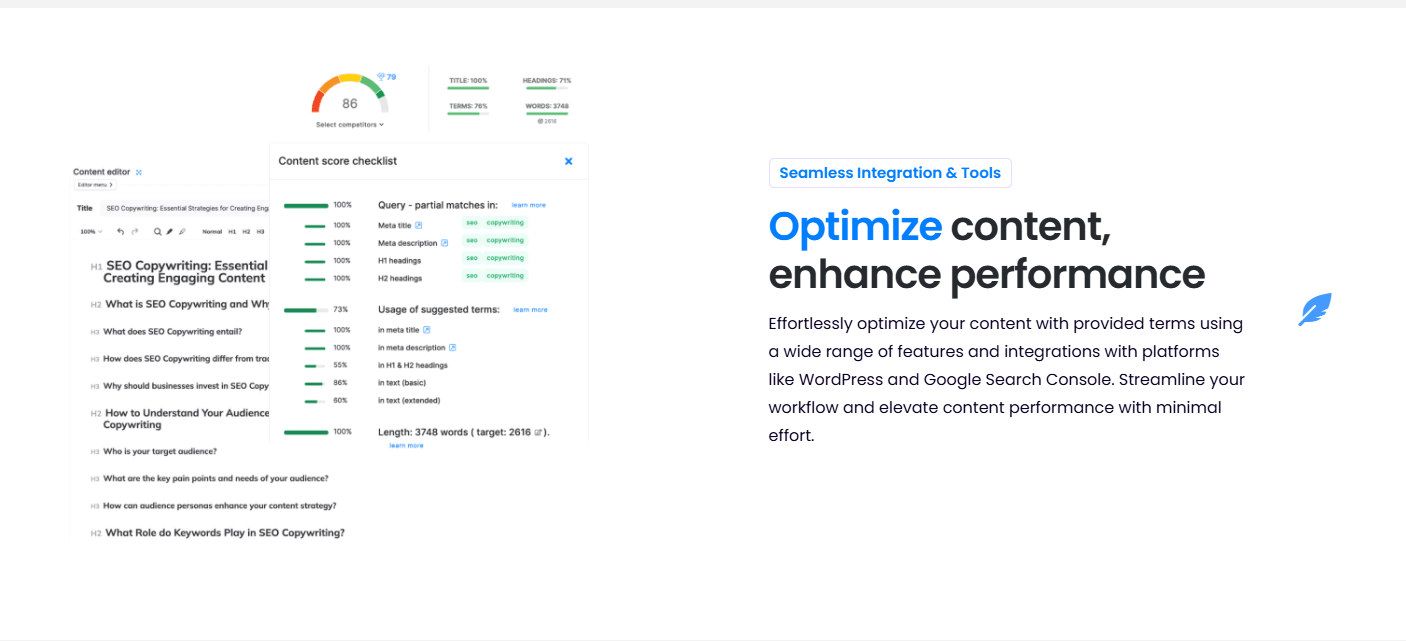
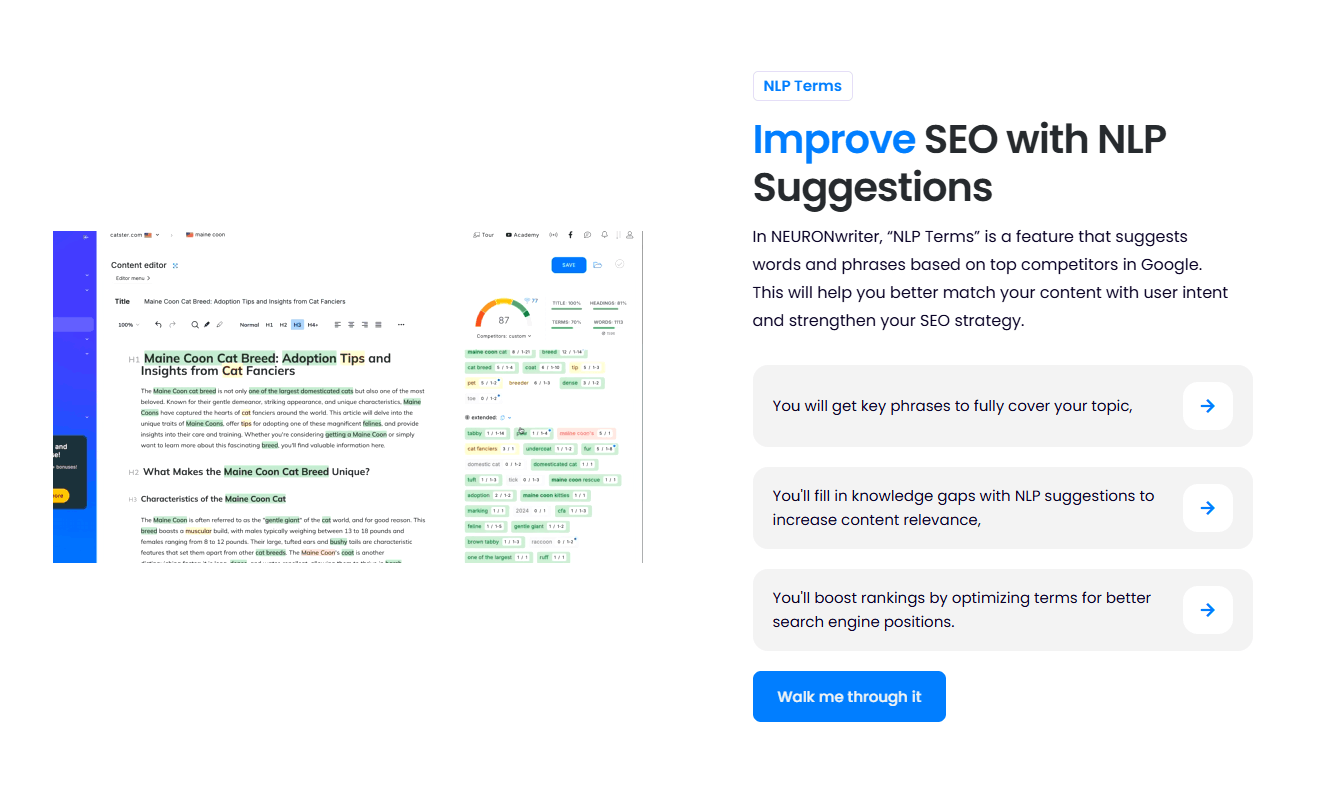
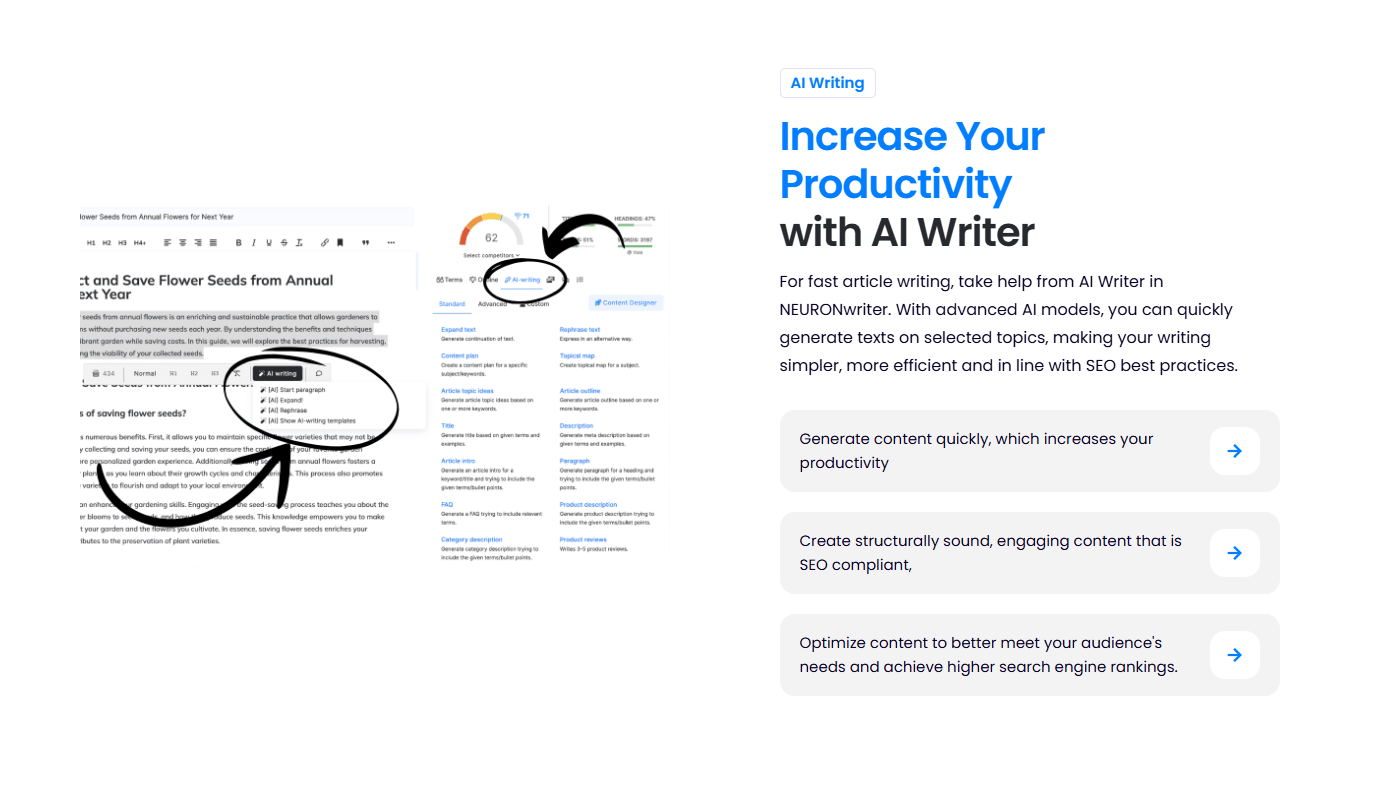
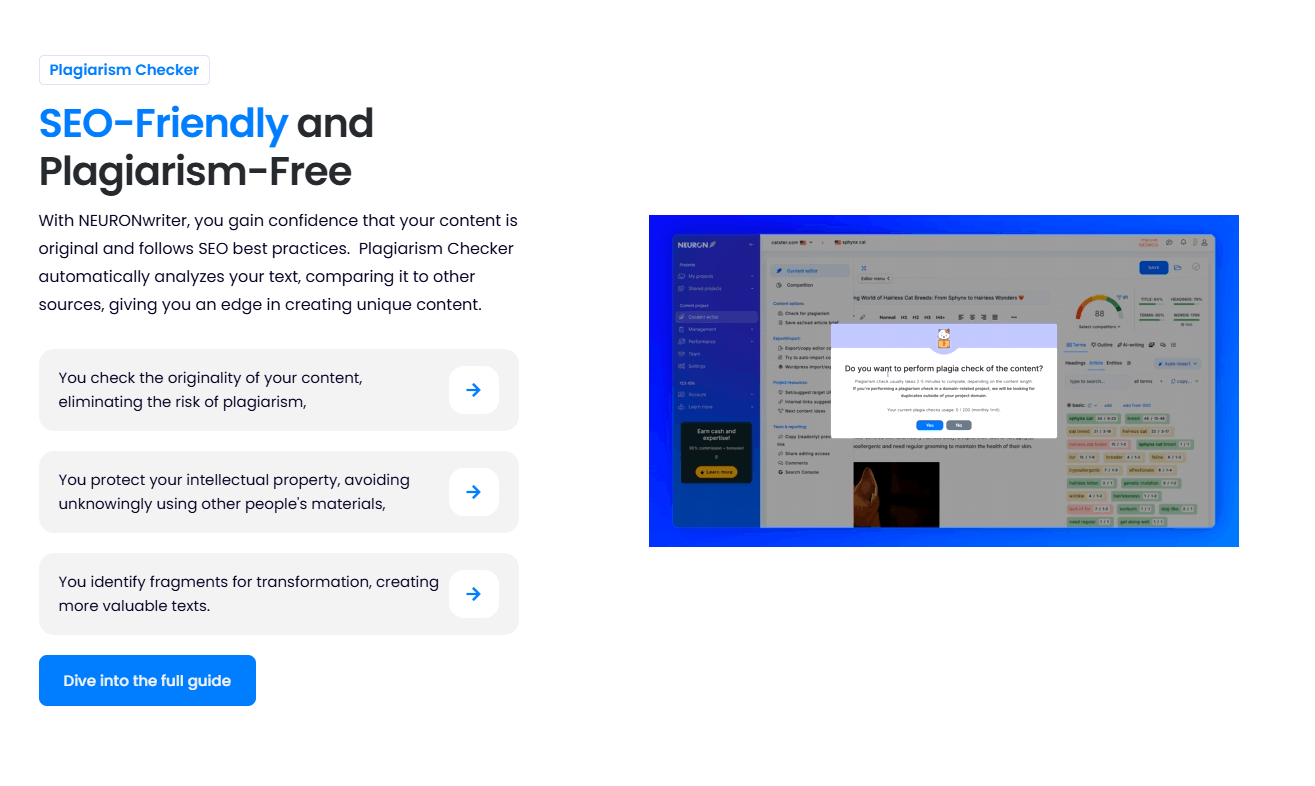
If you are looking to perfectly optimize a single, 3,000-word pillar article, NeuronWriter is a fantastic tool. It behaves much like Surfer SEO but incorporates a built-in content generation feature. Its primary strength lies in its Semantic Logic: it analyzes top SERP competitors and provides you with the exact NLP (Natural Language Processing) terms you need to include to rank.
But when evaluating it as a scalable Content Engine, the workflow hits a massive wall. NeuronWriter is fundamentally designed as a "One-by-One" editor.
You cannot upload a CSV of 100 keywords and have it build and publish your site overnight. You must create, optimize, and push documents individually. Furthermore, while it does offer WP Support and some internal logic, its Humanity Score is highly variable. The editor is also strictly locked, offering no CSS control to match your brand. It's a great tool for a boutique SEO agency, but not for a high-volume affiliate publisher.
A powerhouse for marketing agencies, but fundamentally not an SEO engine.


Tested on Live Niche Sites • By Philipp Bolender
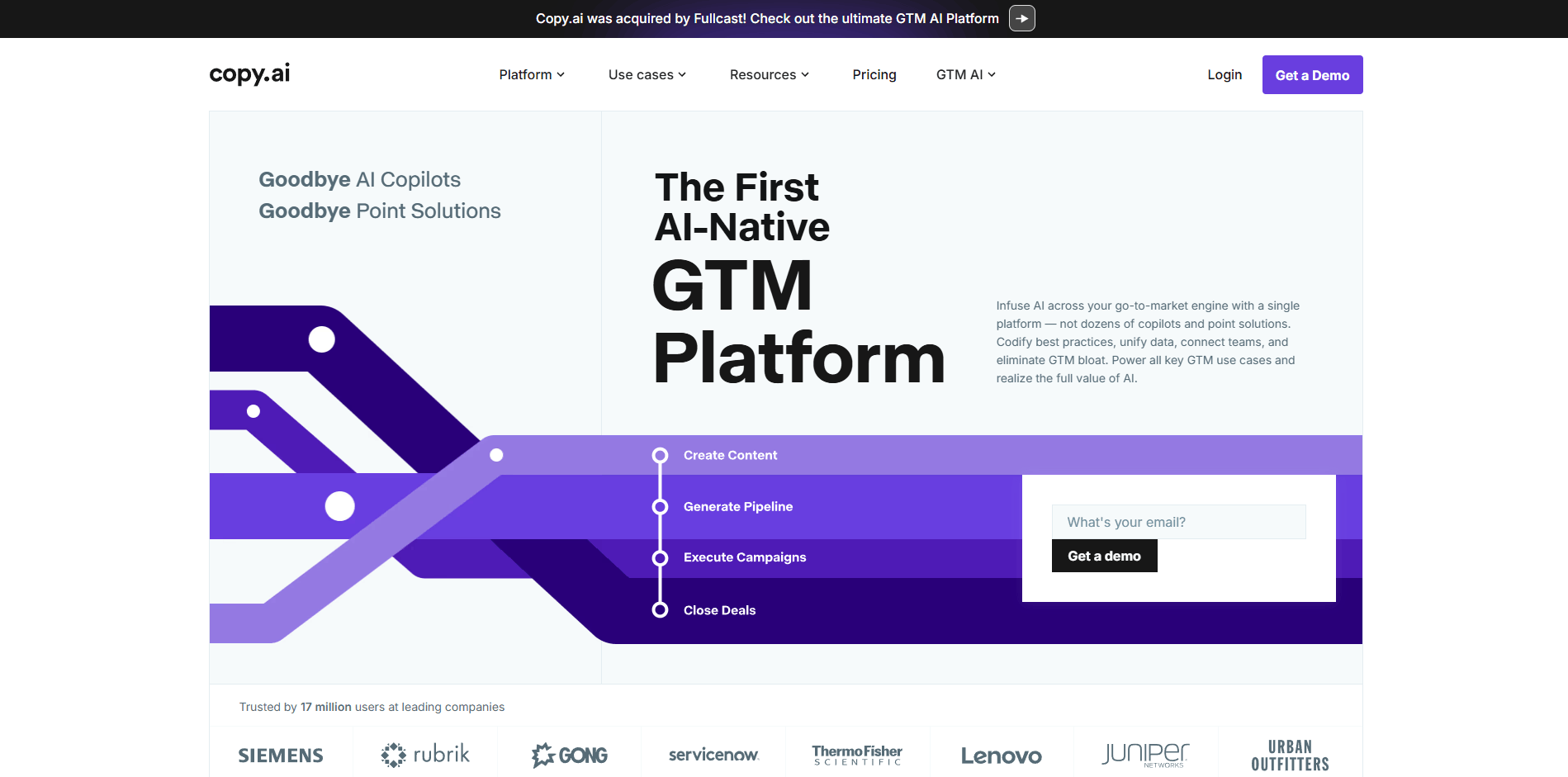
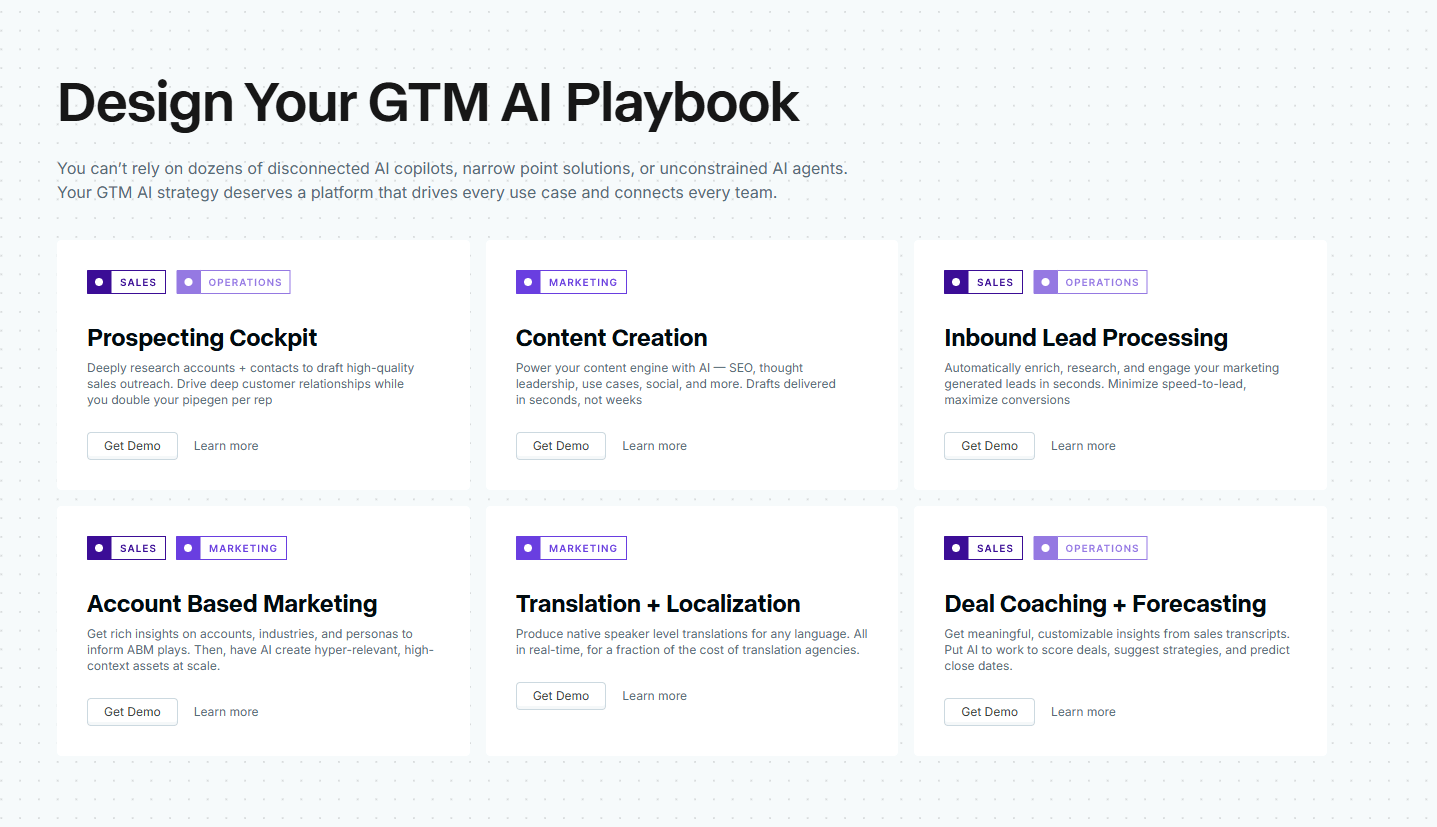
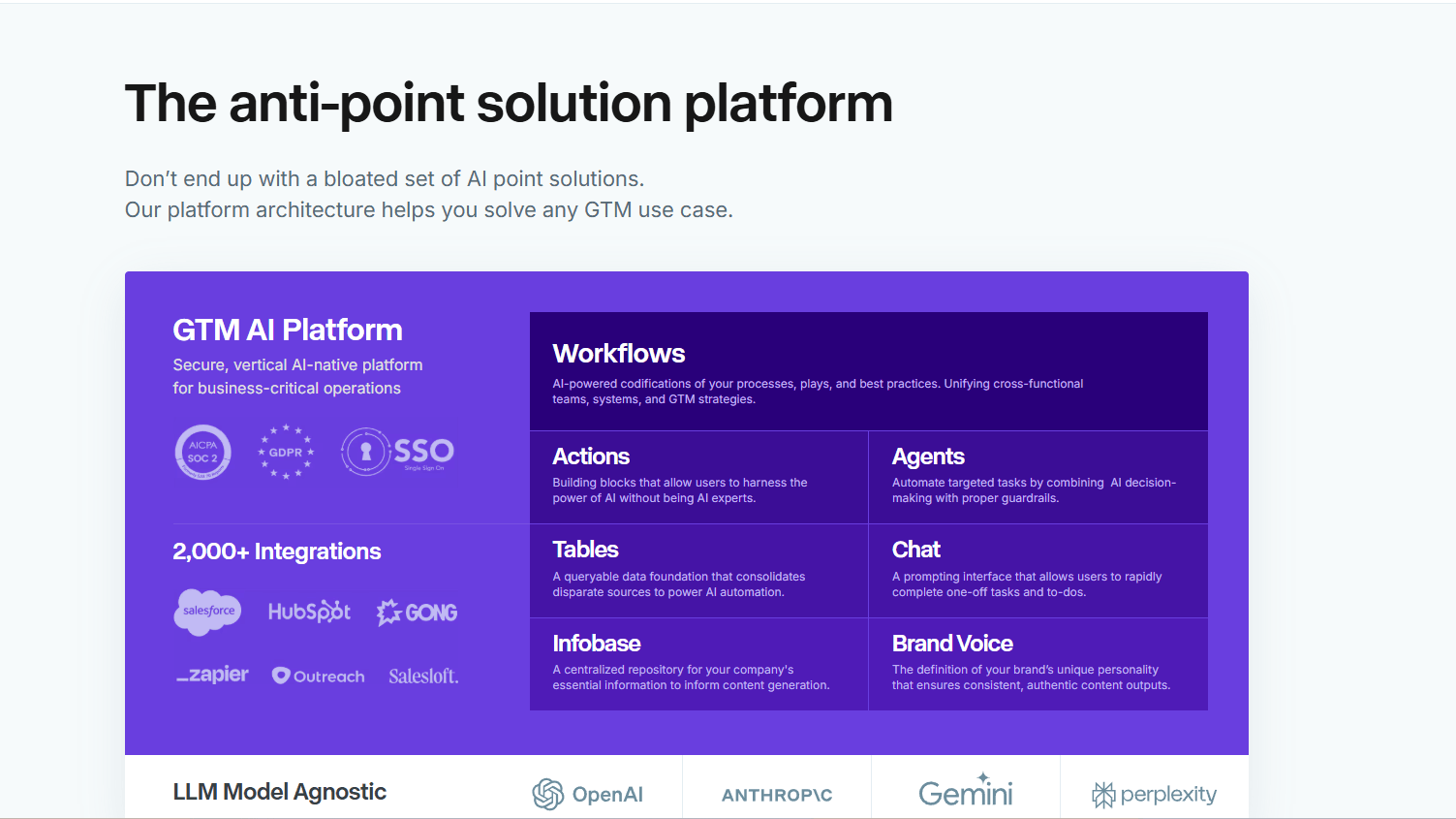
When it comes to crafting compelling email sequences, landing page hooks, and short-form social media captions, Copy.ai is world-class. It was one of the pioneers in making AI writing accessible to the masses, providing marketers with endless frameworks to beat writer's block.
But this is an audit of SEO Content Engines. And in the high-stakes game of ranking websites organically in 2026, Copy.ai is simply not the right tool for the job.
The entire platform is built around manual prompting and workflows rather than 1-click SEO automation. You cannot upload a CSV of keywords and expect it to automatically interlink, format, and push 50 articles to WordPress. Most critically, the generated text reads heavily like standard AI, resulting in Humanity Scores of around 20-30%. Publishing this raw output on a niche site is a fast track to getting penalized by Google's spam algorithms.
Using AI to run a content business is still the most scalable way to generate organic traffic. However, the ecosystem has matured dramatically over the last few years. What worked seamlessly in 2023—generating 1,000 raw ChatGPT articles and hitting publish—will actively harm your website's performance today.
Today's digital landscape is highly competitive. With Google's relentless Core Updates and the rise of SGE (Search Generative Experience), publishers must adapt. Choosing the right AI SEO Content Engine is not just a matter of convenience; it is the fundamental infrastructure of your publishing business.
Let's address the elephant in the room: spamming low-quality AI content is dead. If you simply ask a basic language model to "write a 2,000-word post about CRMs", you will receive a generic, repetitive wall of text. Google's algorithms now easily detect and de-index this type of lazy publishing.
To survive, your content must possess structural depth, factual accuracy, and a high "Humanity Score." It needs to read naturally and provide actual value to the user, mimicking the expertise of a seasoned writer.
"Generative AI made writing fast, but it also made the internet noisy. To rank today, you don't just need more content; you need structured, highly formatted content that search engines implicitly trust."
To survive and thrive, your WordPress site must transition from being a dump for raw AI text to becoming a structured data engine. You need tools that generate dynamic layouts, clear semantic structures, and logically clustered topic silos.
When searching for AI writing tools, marketers usually fall into the trap of confusing two entirely different categories of software: Text Generators and Content Factories.
Tools like Jasper, Claude, or basic prompt wrappers fall into this category. They are absolutely essential for brainstorming, writing ad copy, or drafting a single email. But here is the harsh truth that many beginners ignore: text generators do not build websites.
They operate one manual prompt at a time and leave you with the soul-crushing labor of formatting, adding images, and pasting everything into your CMS.
If you want to drastically improve your output and scale your site, you must deploy a Content Factory like Postlabs.
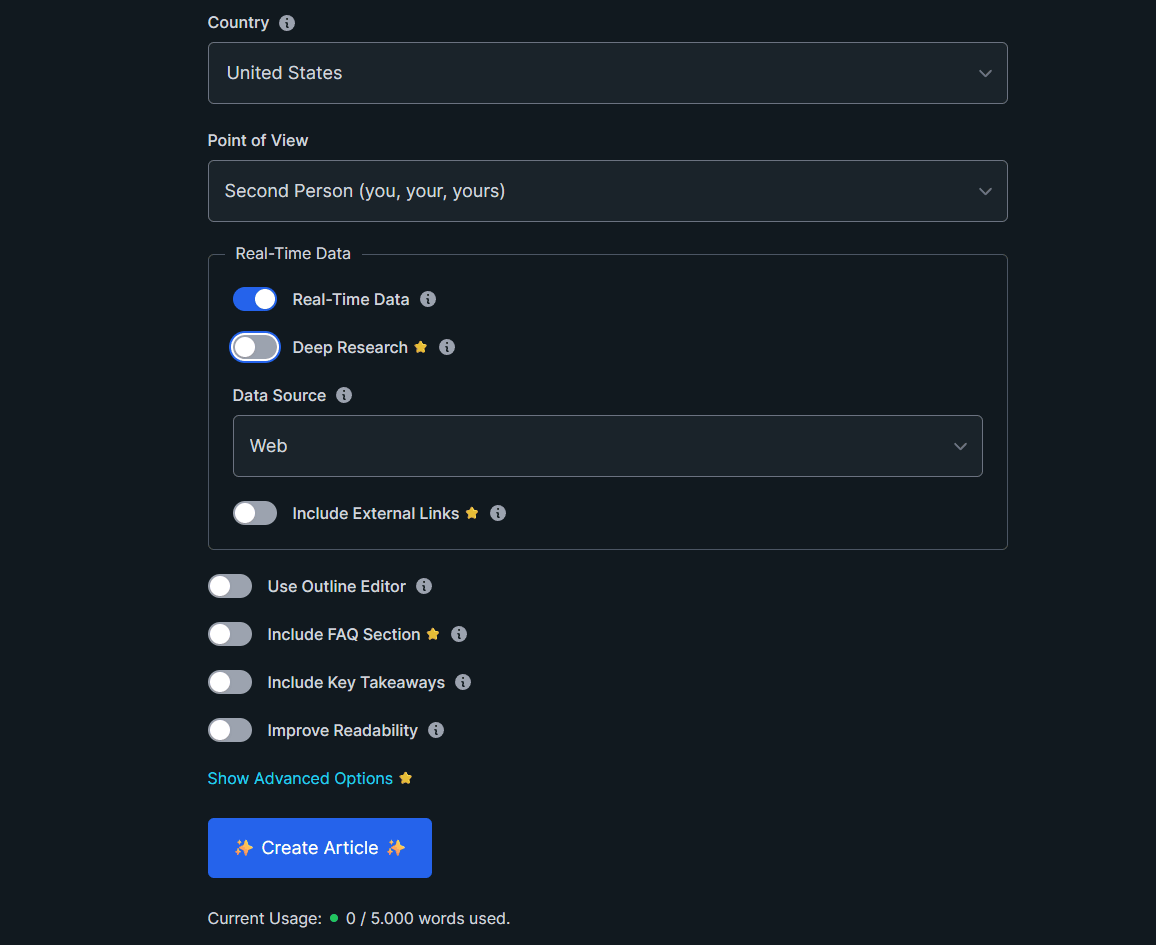
A content factory doesn't just write text. It actively builds your website. It researches live SERP data, generates 50+ articles in a queue, injects beautiful HTML formatting, creates smart internal links, and pushes the final, perfectly structured article directly to WordPress. When you automate the entire pipeline, your operational costs drop, and your scaling potential skyrockets.
For years, SEO was primarily about keyword density and backlinks. But as we move deeper into 2026, we are operating in the era of AEO (AI Engine Optimization).
AI search engines like Perplexity, ChatGPT Search, and Google's AI Overviews don't just read words; they look for structured data. If your article is just plain text, it will be ignored.
By shifting your focus to AEO, you gain total control over your visibility, unchained from the traditional, hyper-competitive ten blue links.
The most expensive resource in your business is not your hosting or your software stack; it is your time. Traditionally, using AI meant generating text in one tab, copying it to WordPress, finding stock images, formatting headers, and manually inserting internal links.
The integration of full-stack automation is the biggest leap forward for publishers. A true engine like Postlabs handles the entire pipeline.
"We replaced the manual work with AI. From topic clustering to the final, SEO-optimized post—everything happens on auto-pilot, passing AI detection and flowing directly into WordPress."
This allows single publishers to scale their content output exponentially, deploying highly optimized, structured niche sites in days rather than months.
To ensure your niche sites remain profitable and avoid Google penalties, stick to these core principles:
The days of duct-taping basic ChatGPT prompts together to run a niche site are over. To compete today, you need a streamlined, professional content architecture. AI Content Engines are the foundation of your publishing business.
By investing in a premium, AI-native workflow, you eliminate the manual grind, ensure algorithm compliance, and present your readers (and search engines) with perfectly structured content. Evaluate the tools listed in our showdown above, take advantage of the free trials, and start building digital assets that generate predictable, passive traffic month after month.
Everything you need to know before upgrading your AI content stack.