Postlabs
Replace your entire marketing stack. SEO, Social Autopilot, and AI Visibility in one dashboard.


Stop juggling 5 different subscriptions for SEO, Social Media, and AI Tracking. We audited the best AI generators of 2026 based on cross-channel automation, brand voice, and output quality.
Compare the top 10 AI Generators across SEO, Social Media, and AI Search Visibility.
| Feature Overview | 🏆 #1 Top Pick Postlabs.ai ★★★★★ 9.9 / 10 |
🥈 Rank 2 Jasper.ai ★★★★★ 8.8 / 10 |
🥉 Rank 3 Copy.ai ★★★★★ 8.5 / 10 |
Rank 4 KoalaWriter ★★★★★ 8.3 / 10 |
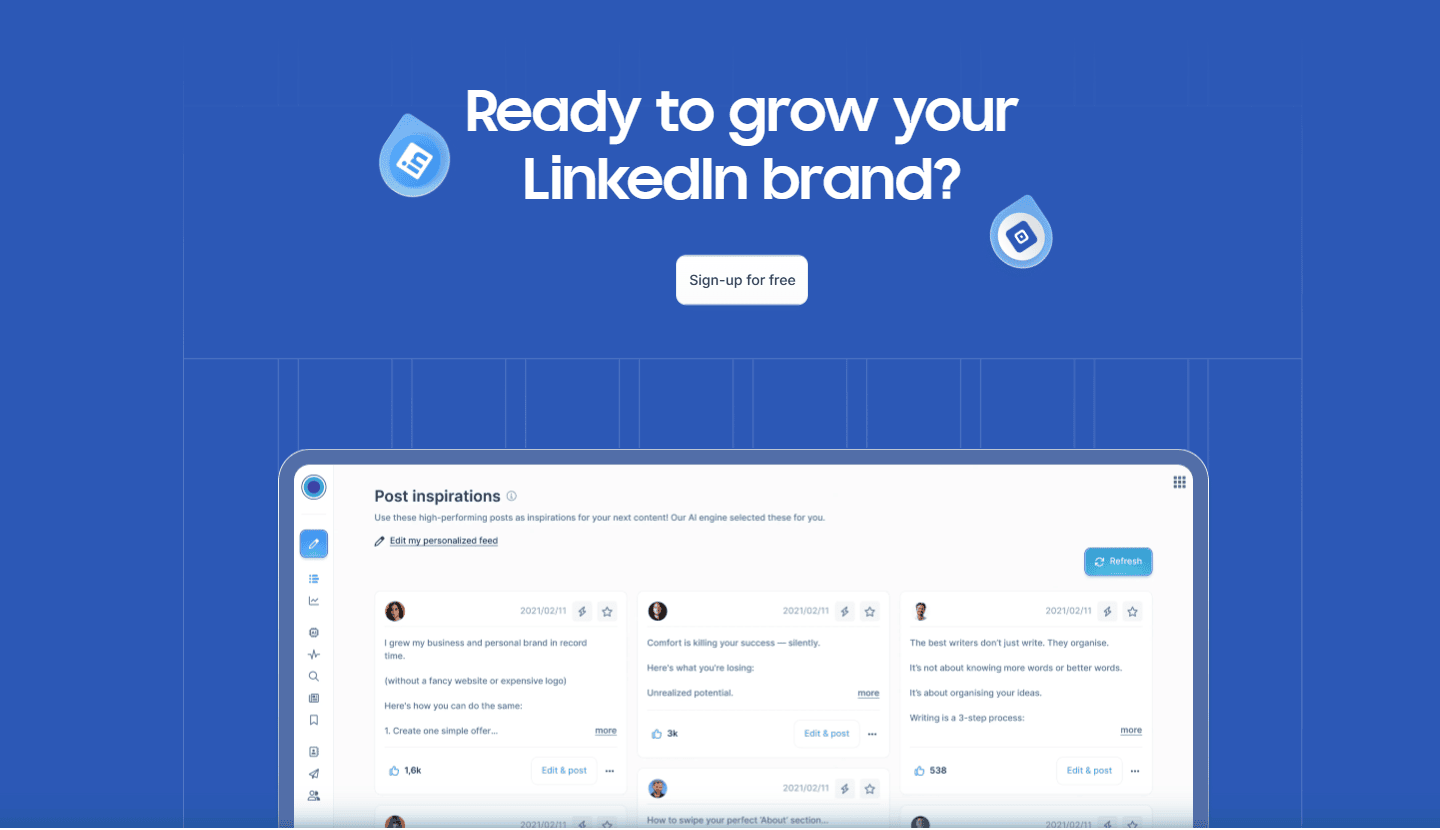
Rank 5 Taplio ★★★★★ 8.1 / 10 |
Rank 6 Surfer SEO ★★★★★ 8.0 / 10 |
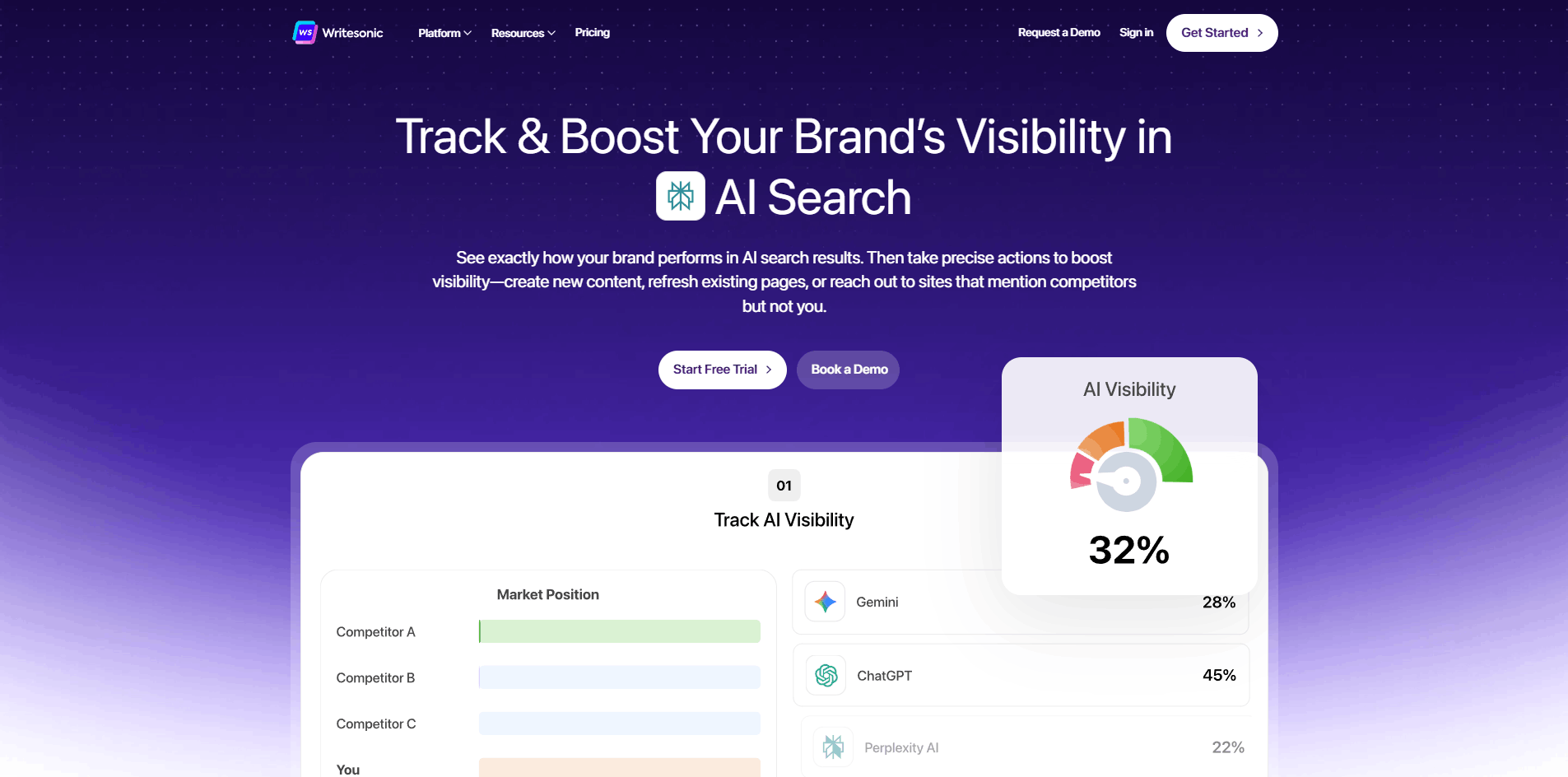
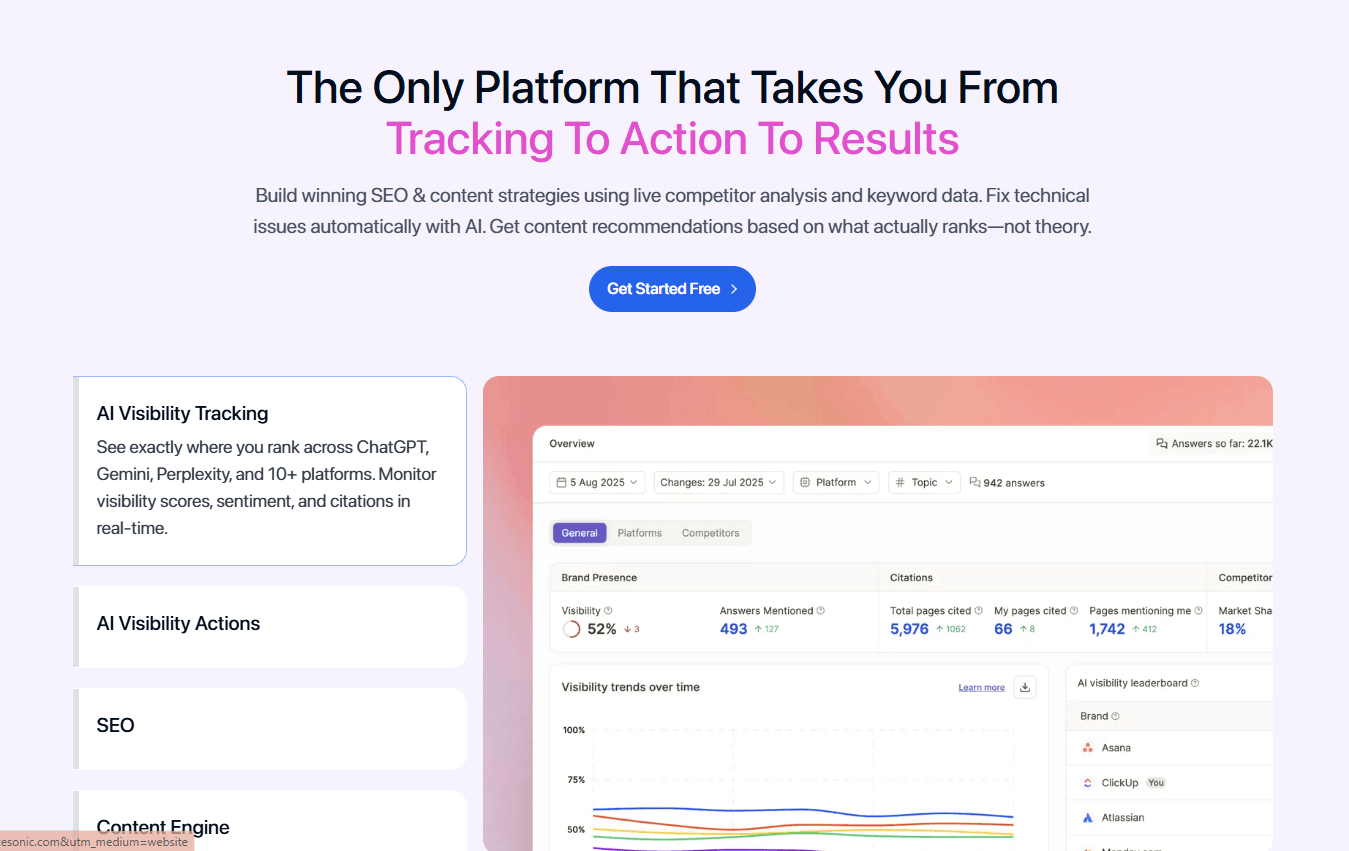
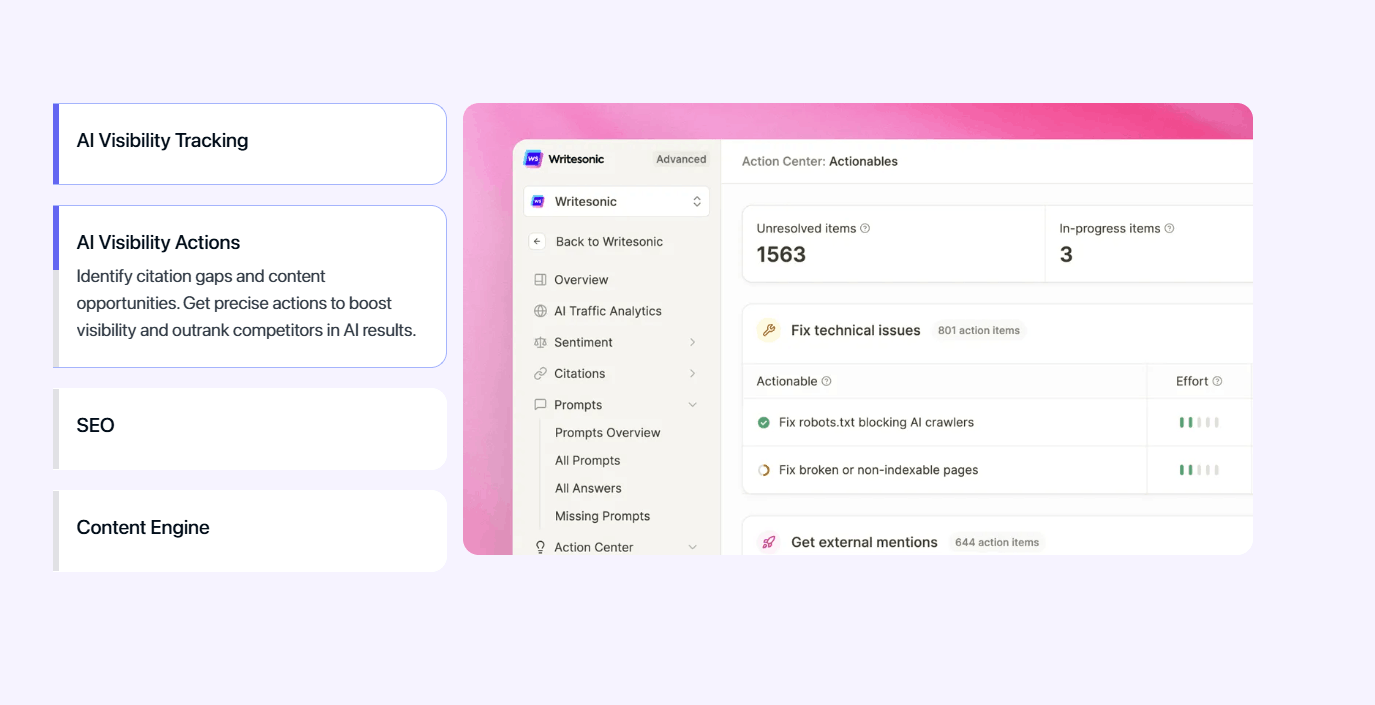
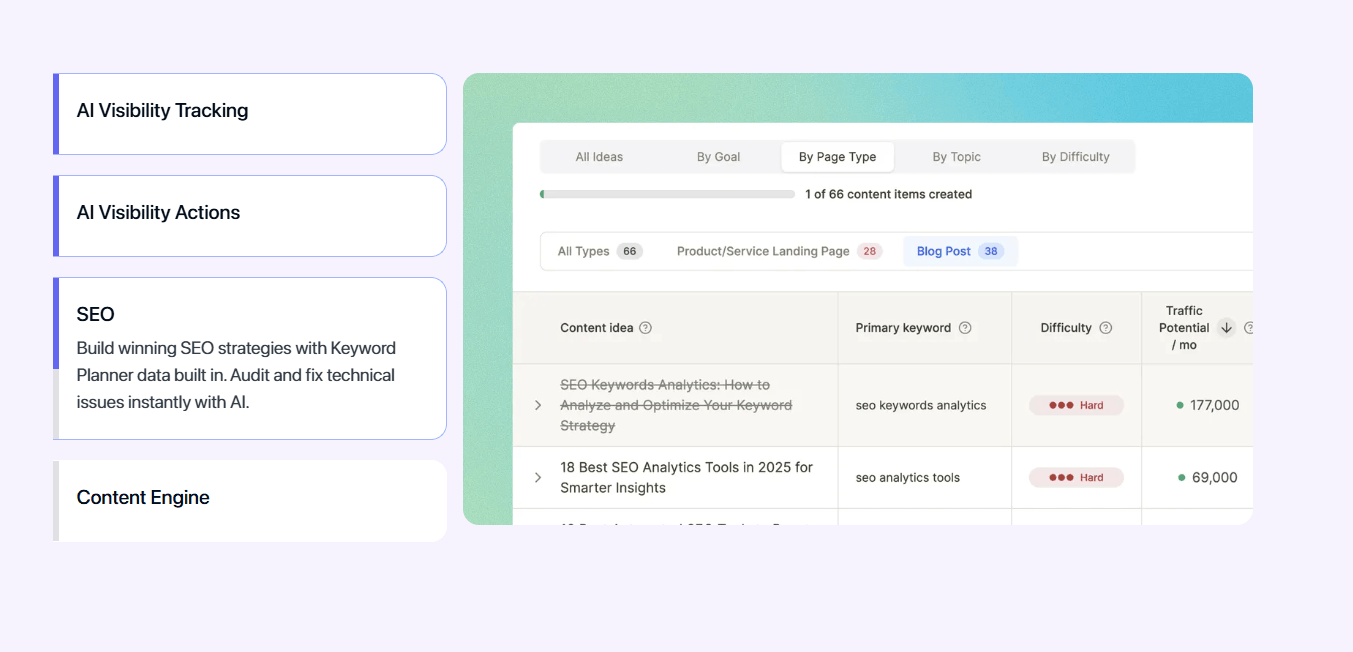
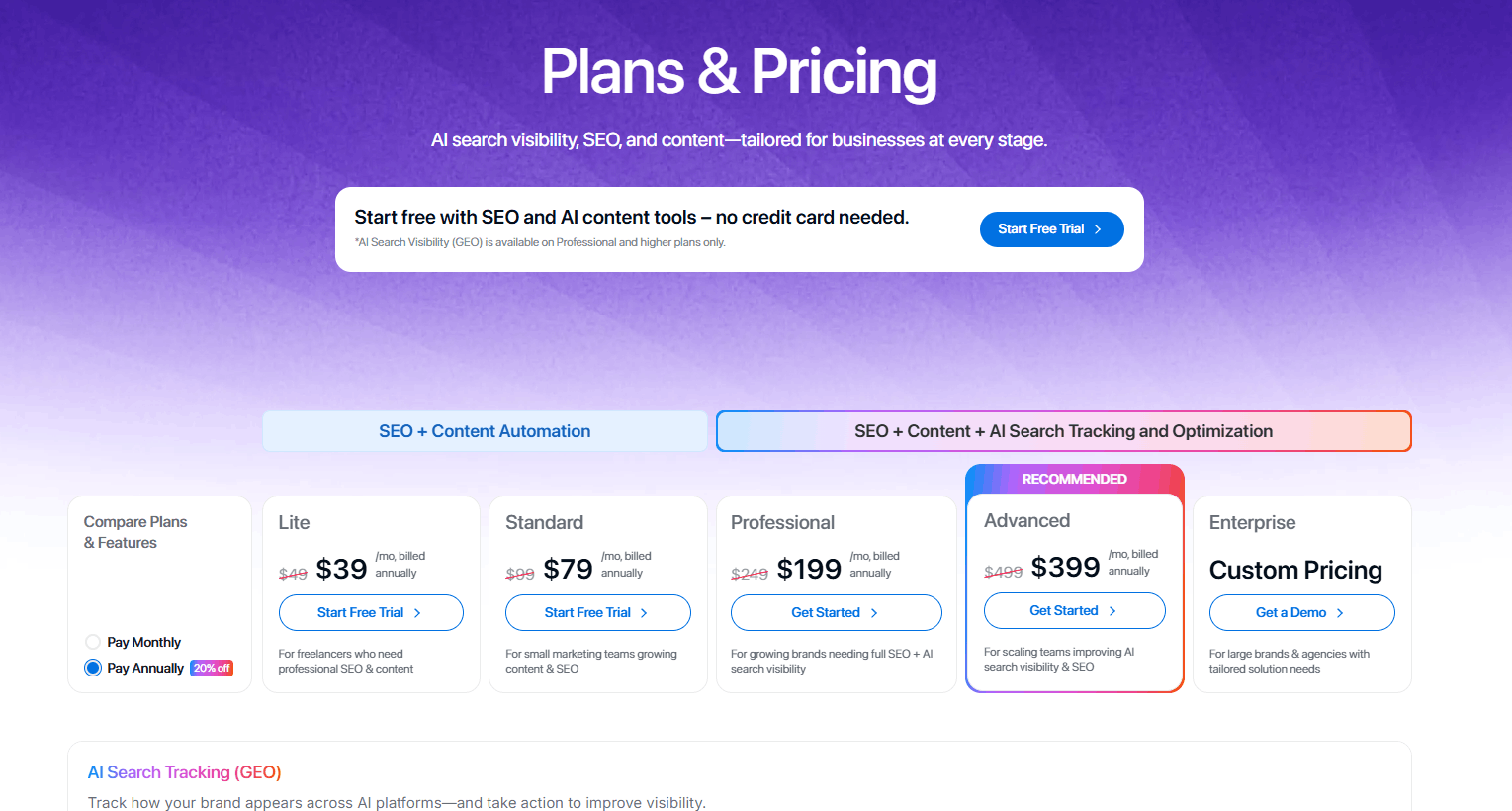
Rank 7 Writesonic ★★★★★ 7.5 / 10 |
Rank 8 Agility Writer ★★★★★ 7.4 / 10 |
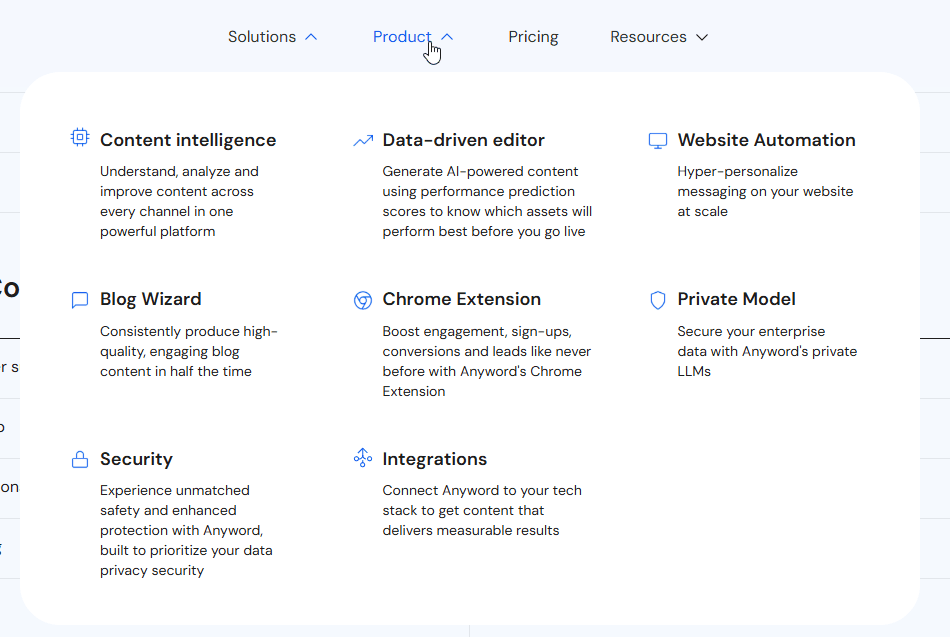
Rank 9 Anyword ★★★★★ 7.0 / 10 |
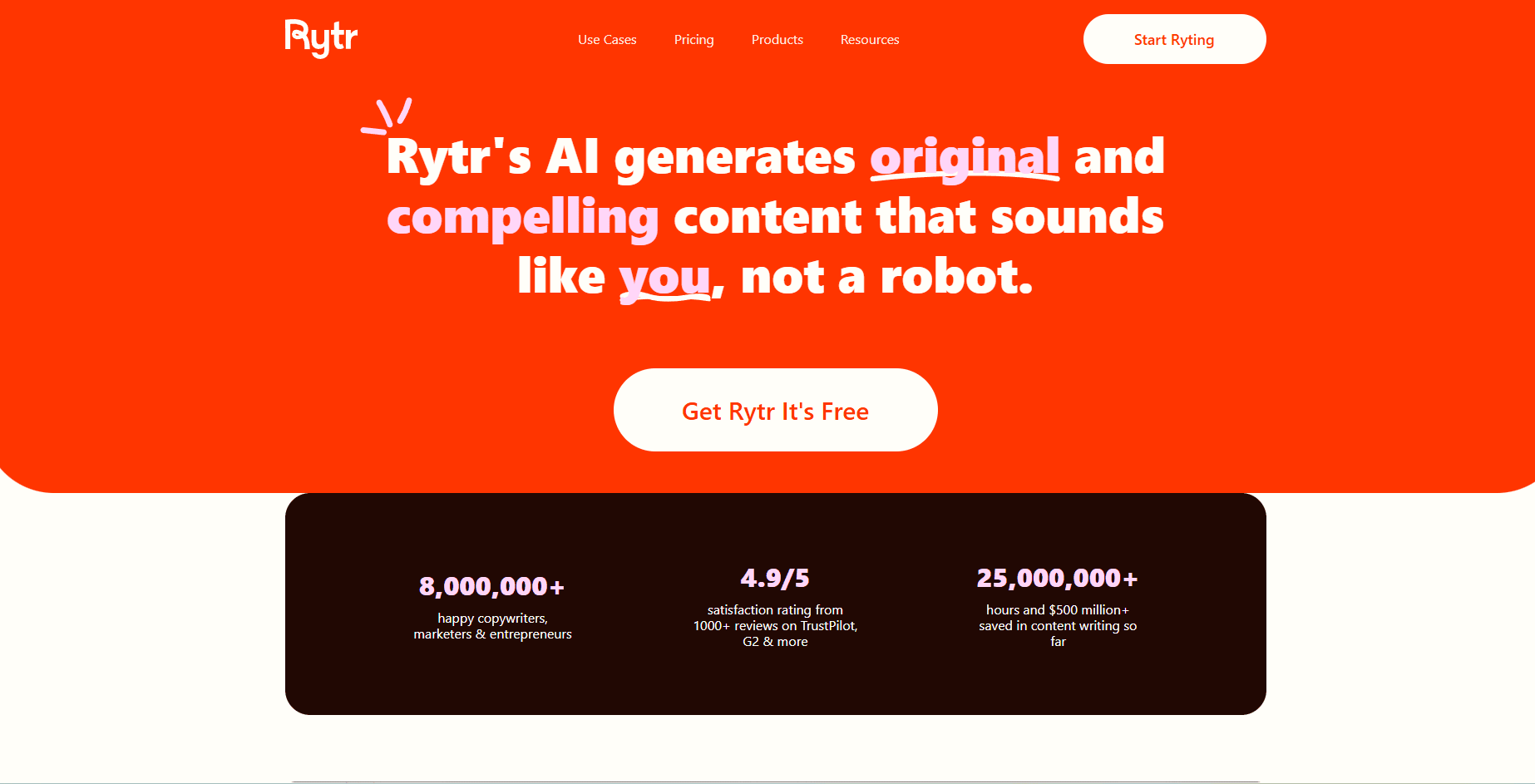
Rank 10 Rytr ★★★★★ 6.5 / 10 |
|---|---|---|---|---|---|---|---|---|---|---|
| Start Free Trial | View Tool | View Tool | View Tool | View Tool | View Tool | View Tool | View Tool | View Tool | View Tool | |
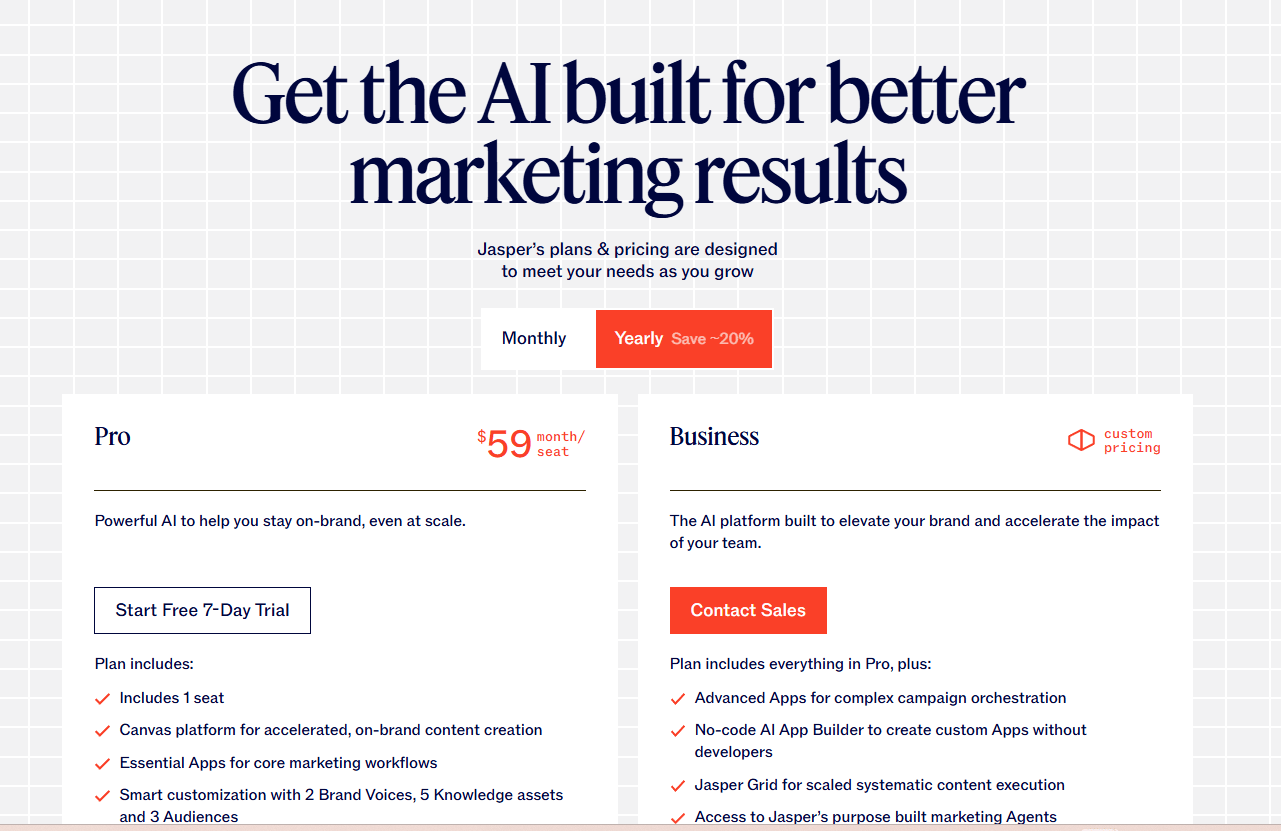
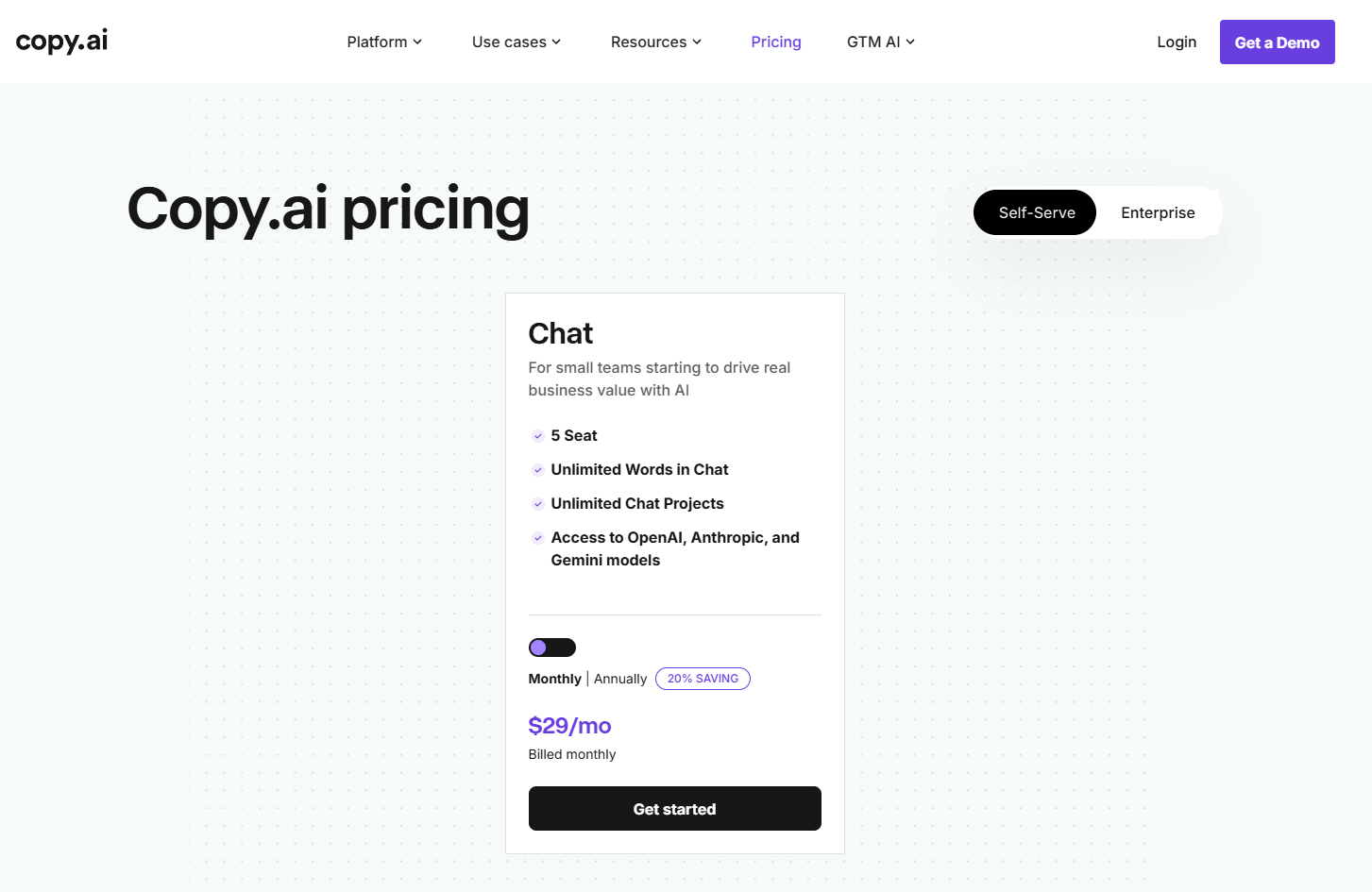
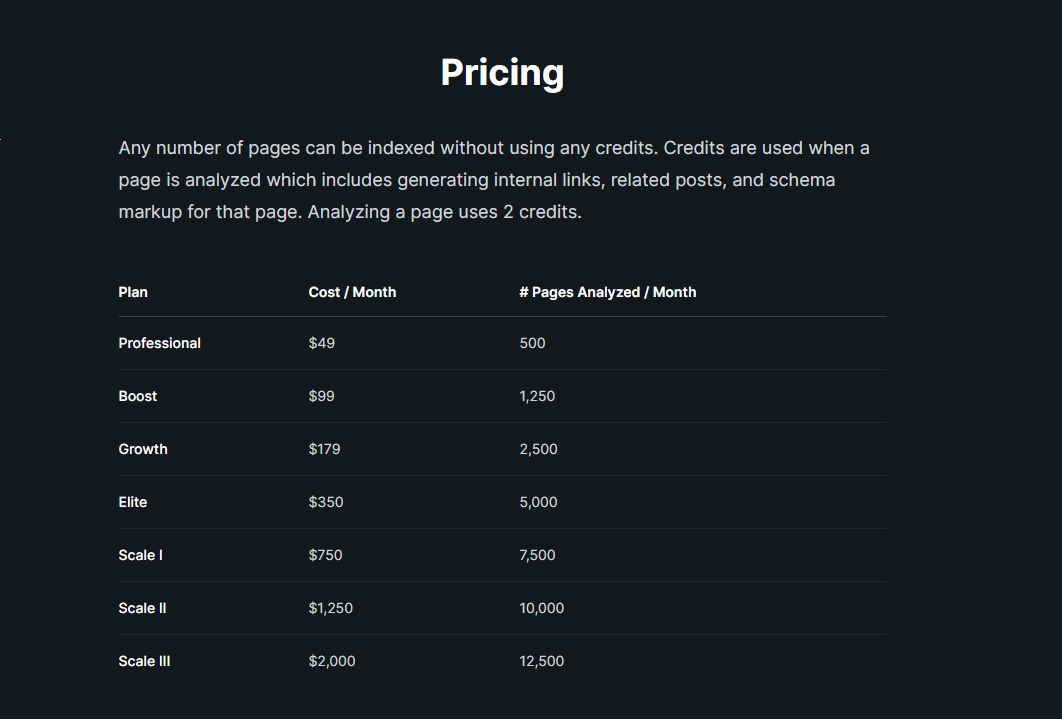
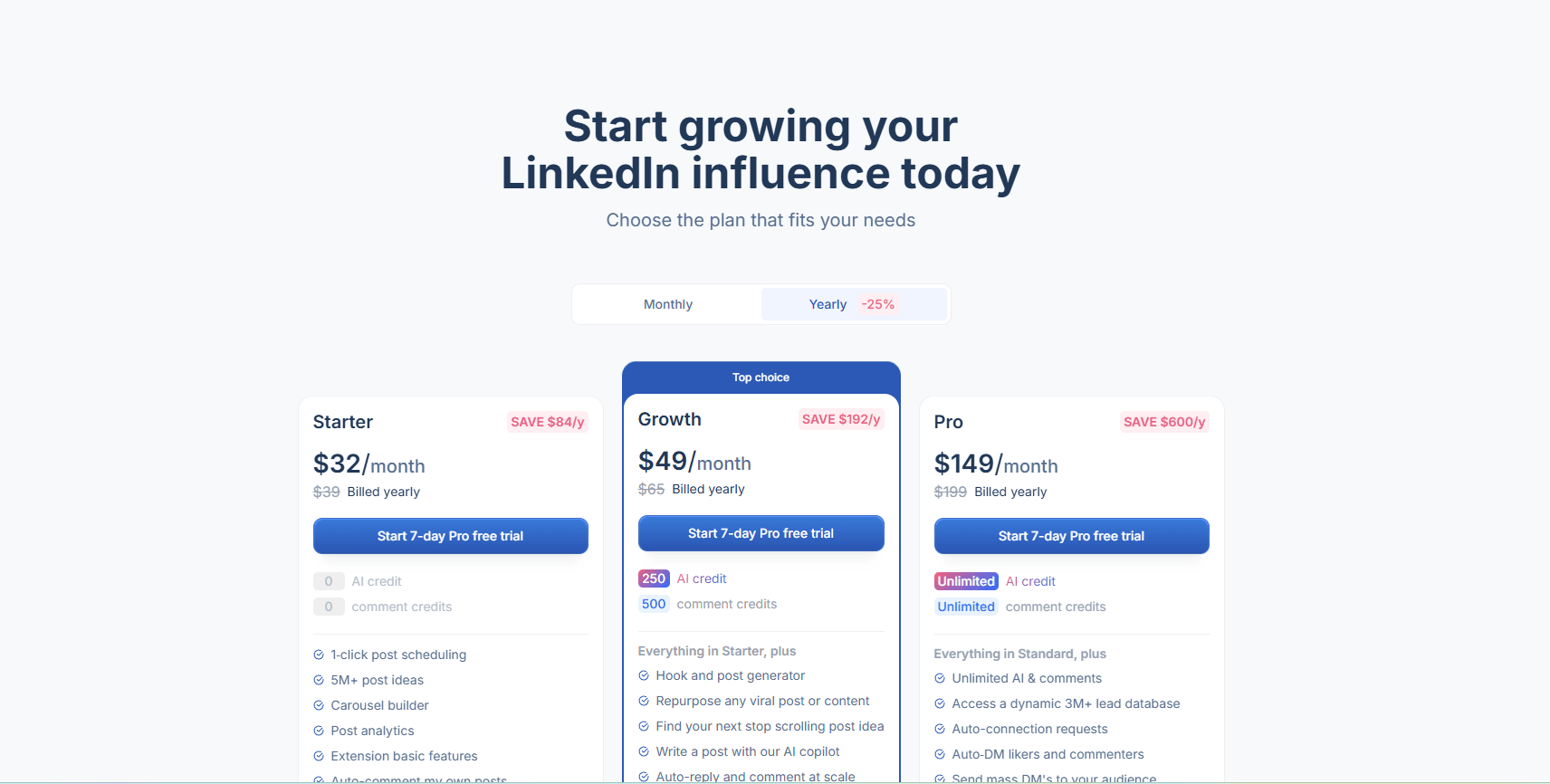
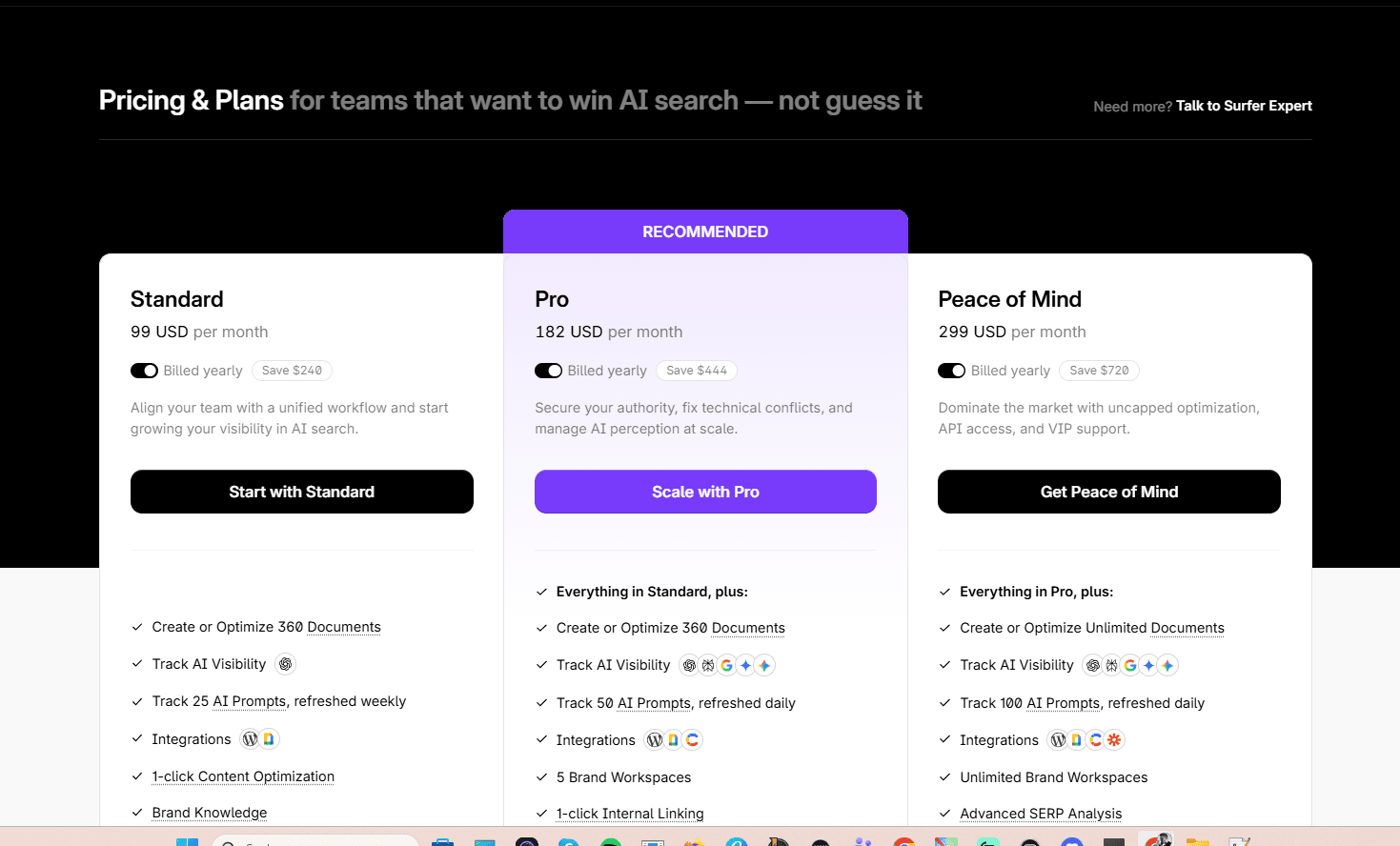
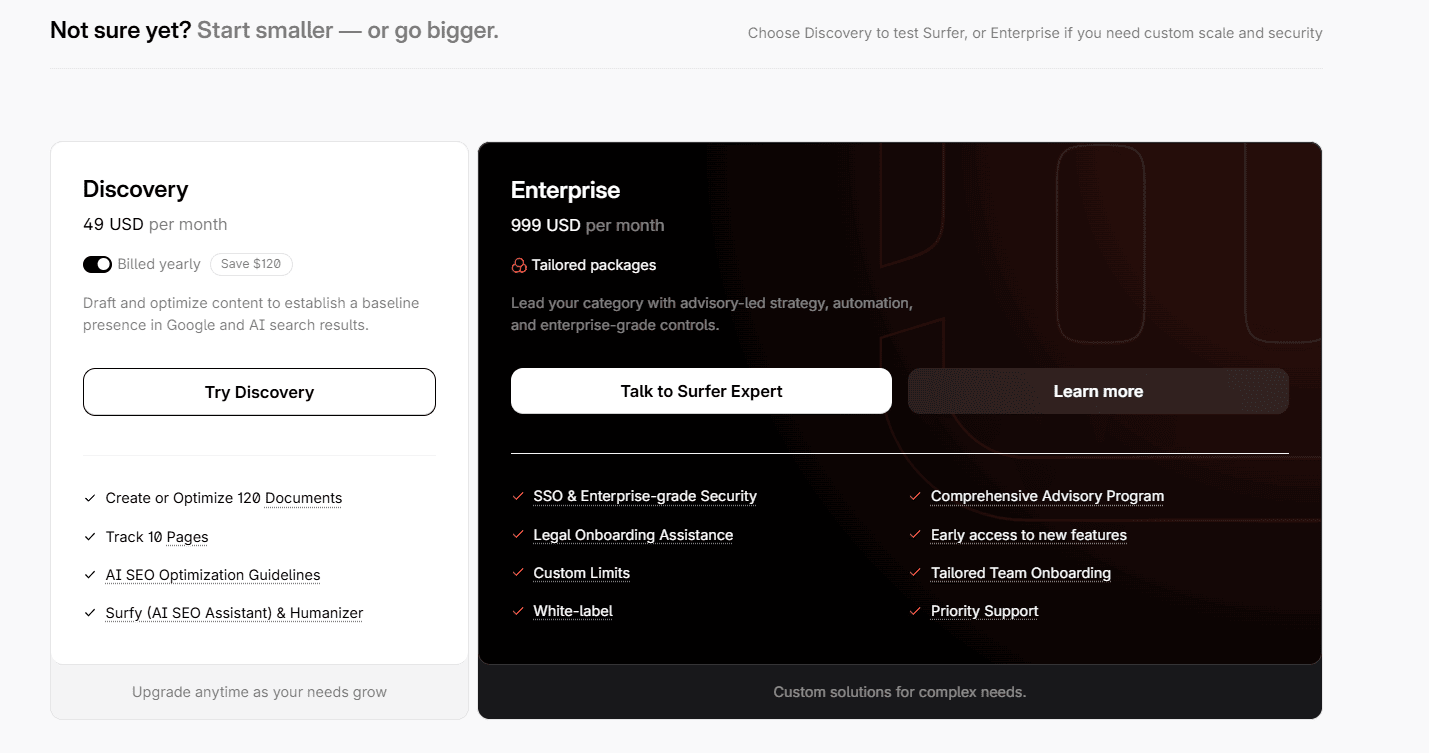
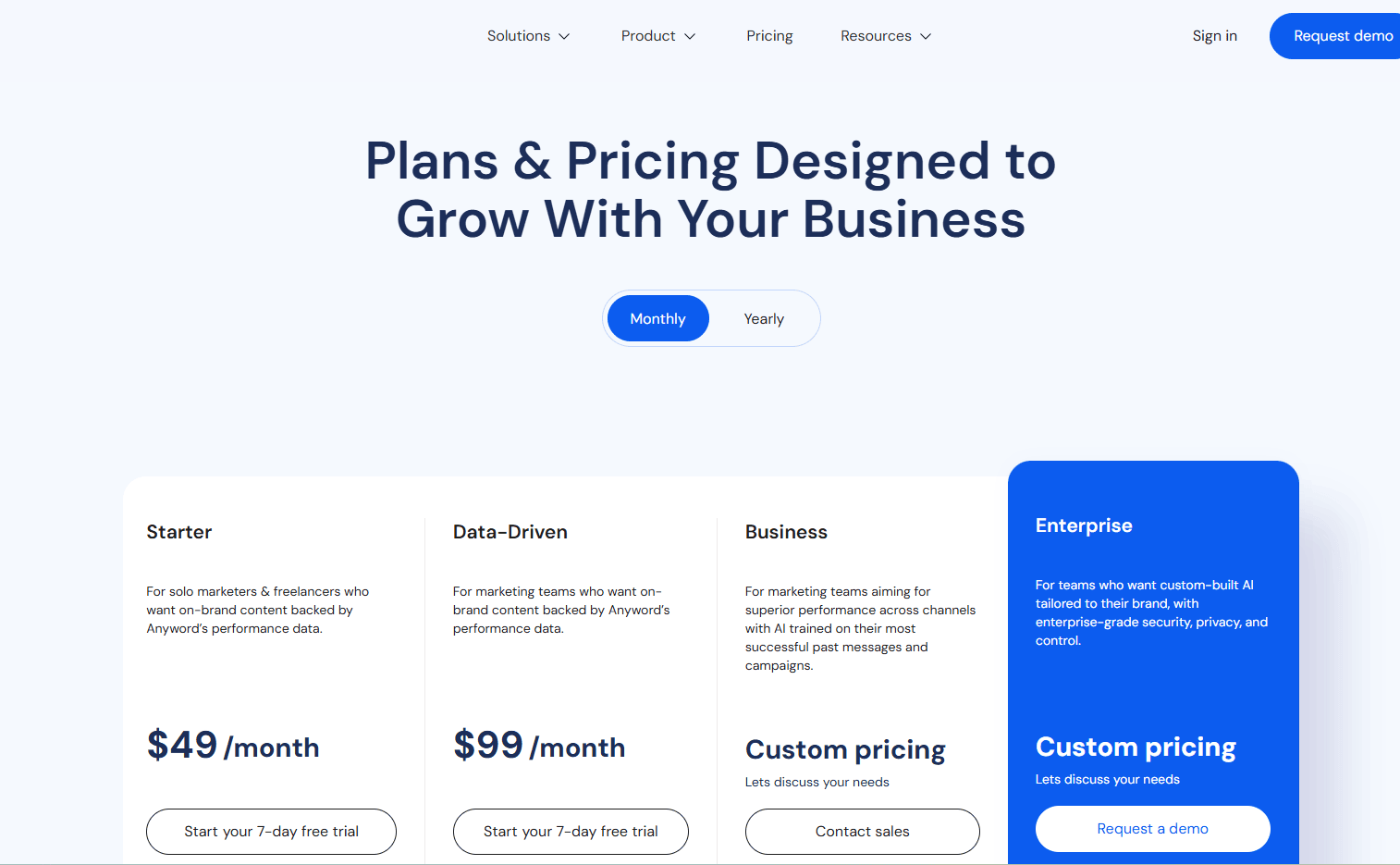
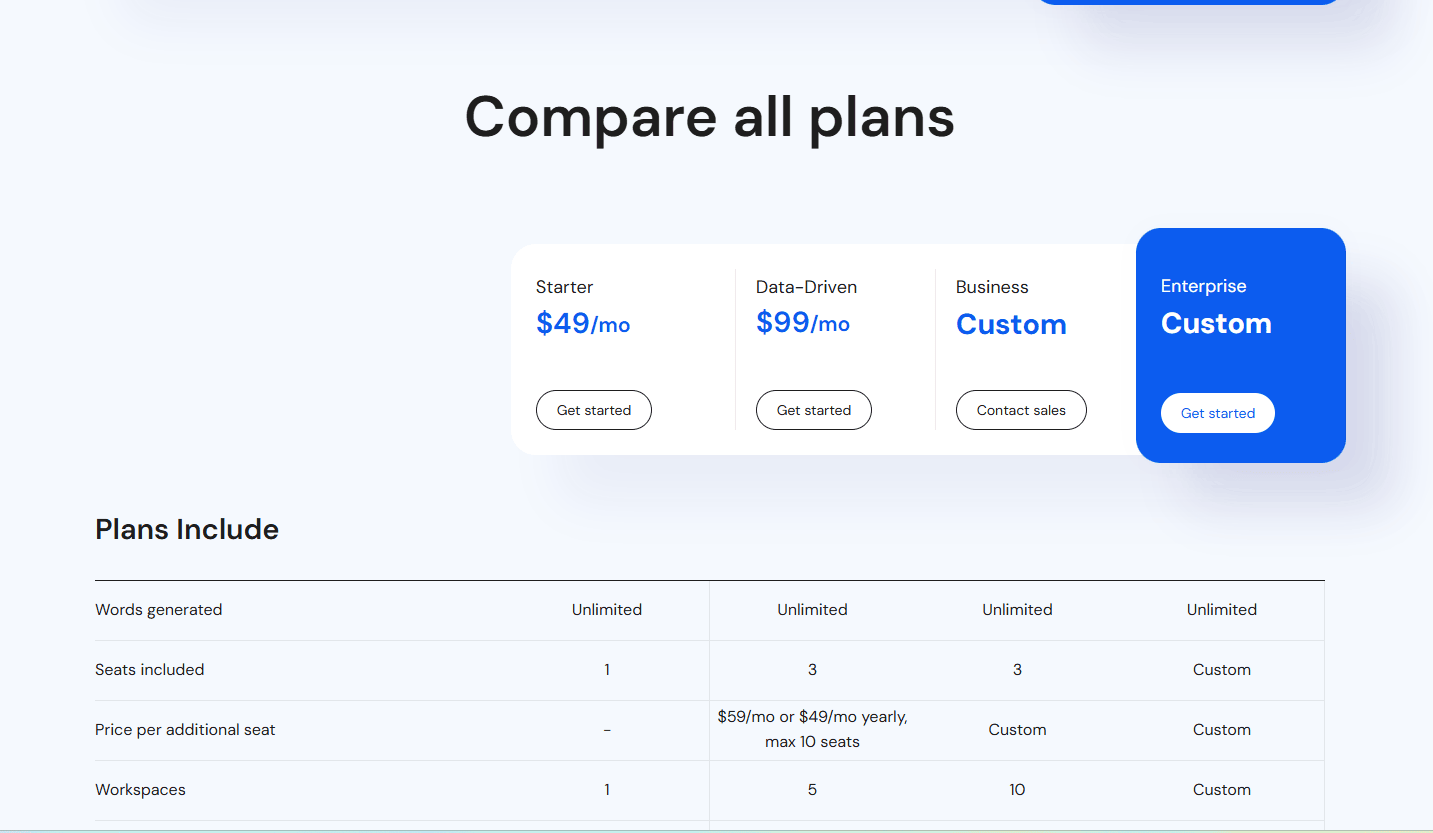
| Entry Price | €12 / mo | ~$39.00 / mo | ~$36.00 / mo | ~$9.00 / mo | ~$39.00 / mo | ~$89.00 / mo | ~$15.00 / mo | ~$25.00 / mo | ~$39.00 / mo | ~$9.00 / mo |
| Primary Focus | Omnichannel Scaling | Brand Voice Copy | Sales & Workflows | SEO Blogging | LinkedIn Growth | On-Page SEO | General Content | Bulk Articles | Predictive Ads | Budget Short-Form |
| AI Search Ranking Tracking (Perplexity, ChatGPT) |
✔Full Visibility Dashboard | ✖Blind | ✖Blind | ✖Blind | ✖Blind | ✖Blind | ✖Blind | ✖Blind | ✖Blind | ✖Blind |
| Social Media Autopilot (LI, X, IG, Pinterest) |
✔All Platforms Native | ~Manual Copy-Paste | ~Manual Copy-Paste | ✖None | ~LinkedIn Only | ✖None | ~Manual Output | ✖None | ✖None | ✖None |
| Direct CMS Sync (WordPress etc.) |
✔1-Click Native | ✖API / Zapier Only | ✖API / Zapier Only | ✔Native Sync | ✖N/A (Social Only) | ✔Native Sync | ✔Native Sync | ✔1-Click Push | ✖Manual Export | ✖Manual Export |
| Multi-Channel Calendar | ✔Blog & Social Timeline | ✖Campaign Folders | ✖No Calendar | ✖No Calendar | ~LinkedIn Queue Only | ✖Content Planner Only | ✖No Calendar | ✖No Calendar | ✖No Calendar | ✖No Calendar |
| SEO & Internal Linking | ✔Deep Auto-Pilot | ✖None | ✖None | ✔KoalaLinks | ✖None | ✔NLP Suggestions | ~Basic Features | ✔Topical Mapping | ✖None | ✖None |
| Best Standout Feature | True Omnichannel OS | Brand Voice IQ | GTM Workflows | Amazon Integration | LinkedIn CRM | NLP Keyword Logic | Article Writer 6.0 | G-Smart Optimizer | Predictive Ad Scores | Cheap Entry Price |
We didn't just read marketing brochures. We ran these generators through aggressive, multi-channel stress tests to see which ones actually drive engagement and organic visibility.
Skip the reading. Choose your marketing profile below and get the exact software stack you need to dominate across Google, LinkedIn, and AI Search.
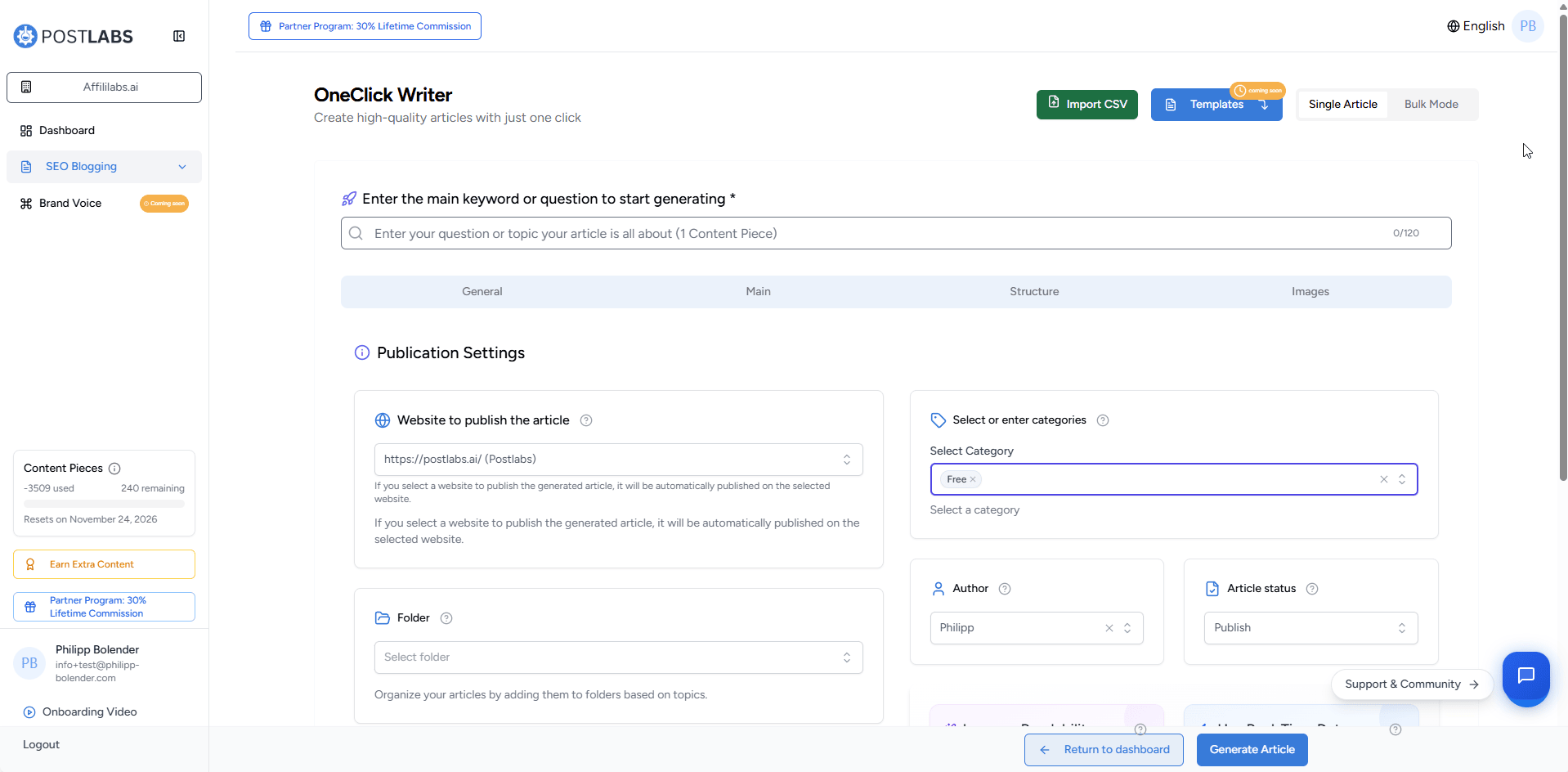
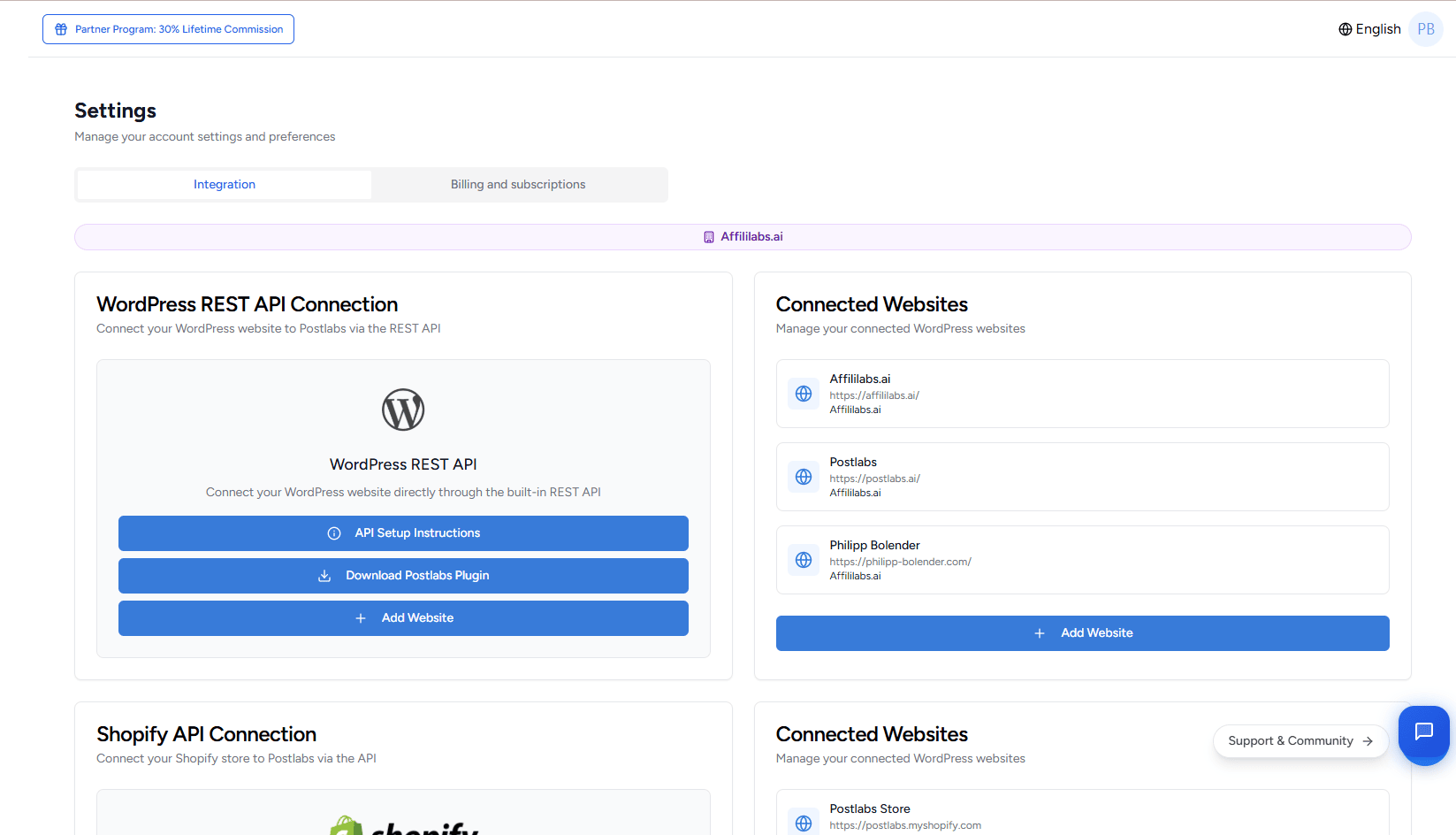
If you want to replace your clunky software stack and fully automate your content across SEO, Social Media, and AI Search, Postlabs is the only logical choice in 2026. It handles the entire omnichannel pipeline—from AI visibility tracking to native 1-click publishing on WordPress, LinkedIn, X, and Pinterest.
Replace your entire marketing stack. SEO, Social Autopilot, and AI Visibility in one dashboard.


Tested on Live Brands & Niche Sites • By Philipp Bolender
Let's be completely transparent: Generating an AI text is incredibly easy nowadays. But distributing that content across your blog, LinkedIn, Instagram, and X while maintaining a consistent brand voice? That usually requires 5 different software subscriptions and hours of manual copy-pasting.
Before using Postlabs, marketing teams were stuck in a chaotic workflow. You generated a post in Jasper, checked the SEO in Surfer, scheduled the social media posts via Hootsuite, and prayed your content would show up in AI search engines. That is simply not a scalable business model for 2026.
What makes Postlabs the undisputed #1 this year isn't just the quality of the language model—it's the integrated architecture behind it. It completely eliminates the "app-switching fatigue". You generate your AEO-optimized pillar page, and Postlabs automatically splices that content into high-converting LinkedIn posts, Instagram carousels, and Pinterest pins, managing your entire multi-channel content calendar from one dashboard.
Unrivaled for brand voice and team collaboration, but lacks native omnichannel automation.


Tested for Corporate & Agency Workflows • By Philipp Bolender
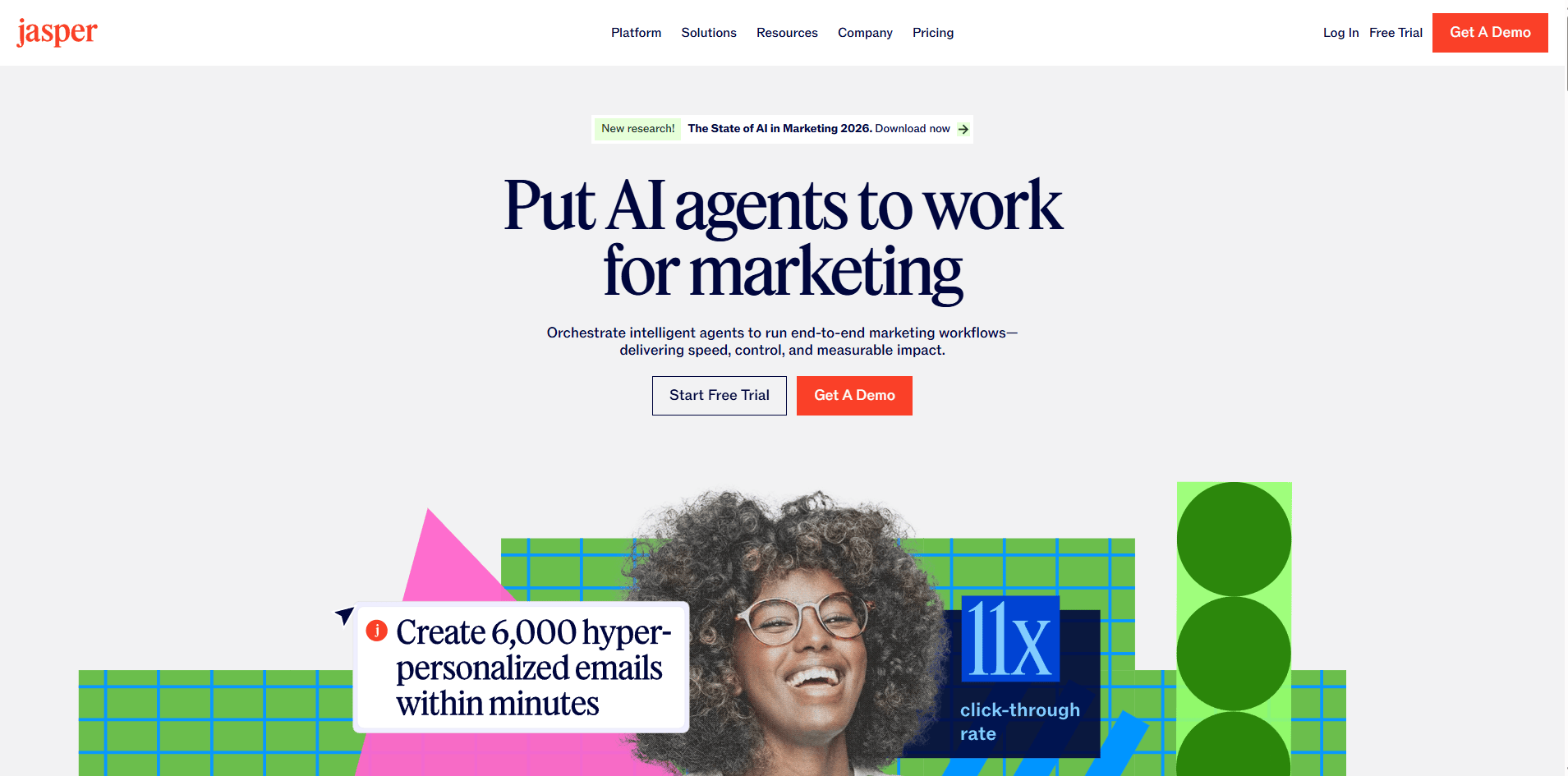
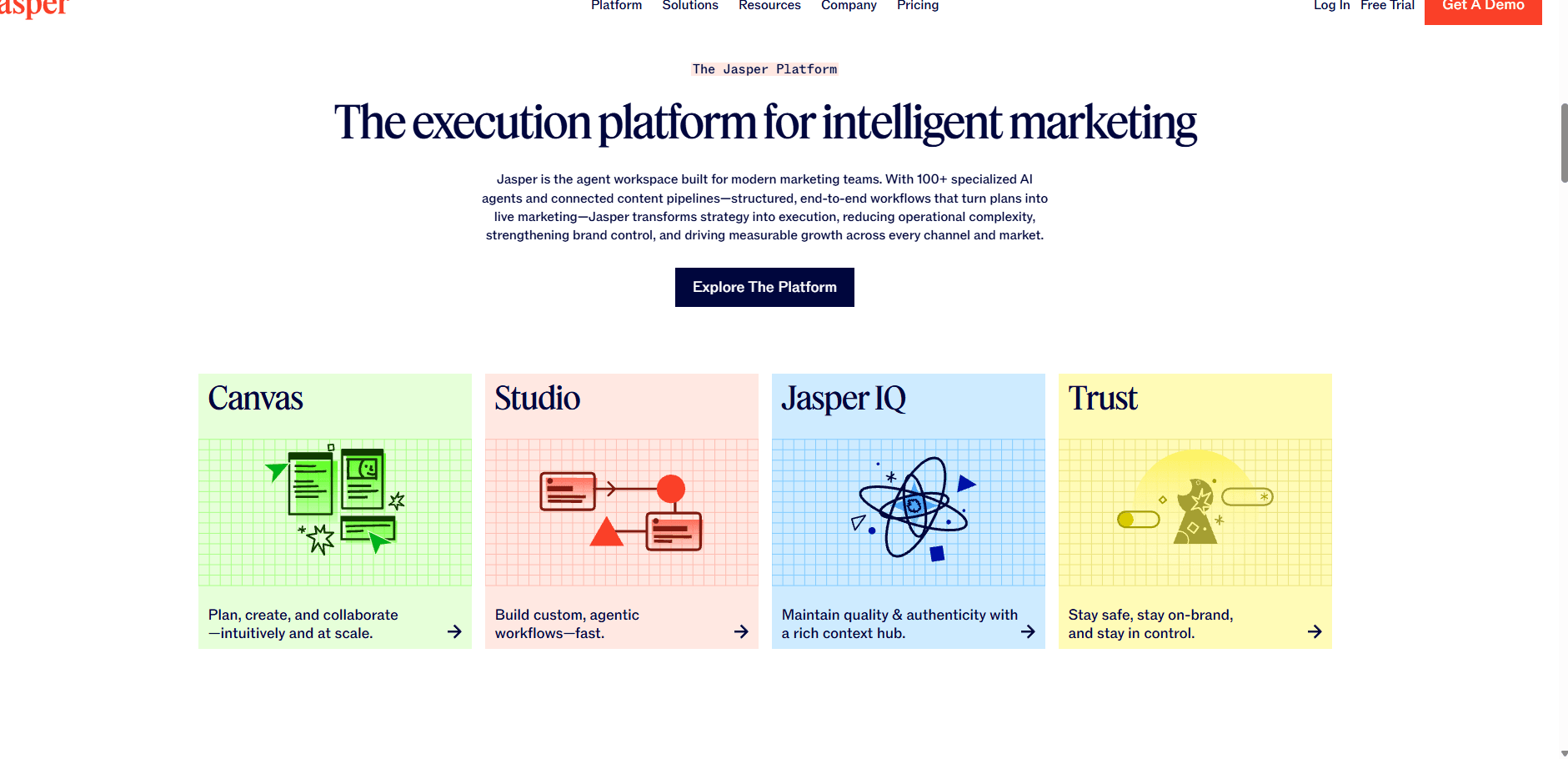
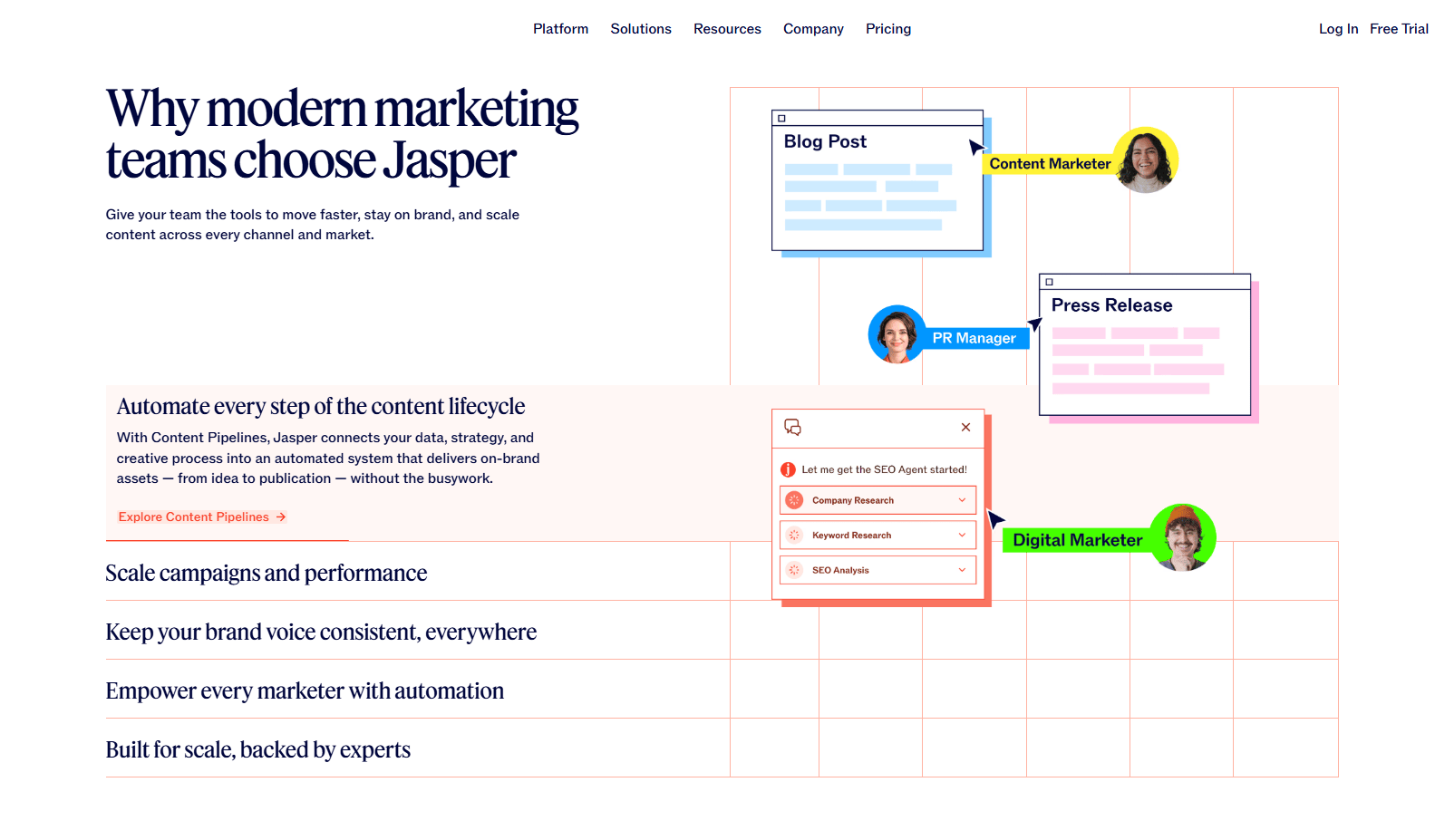
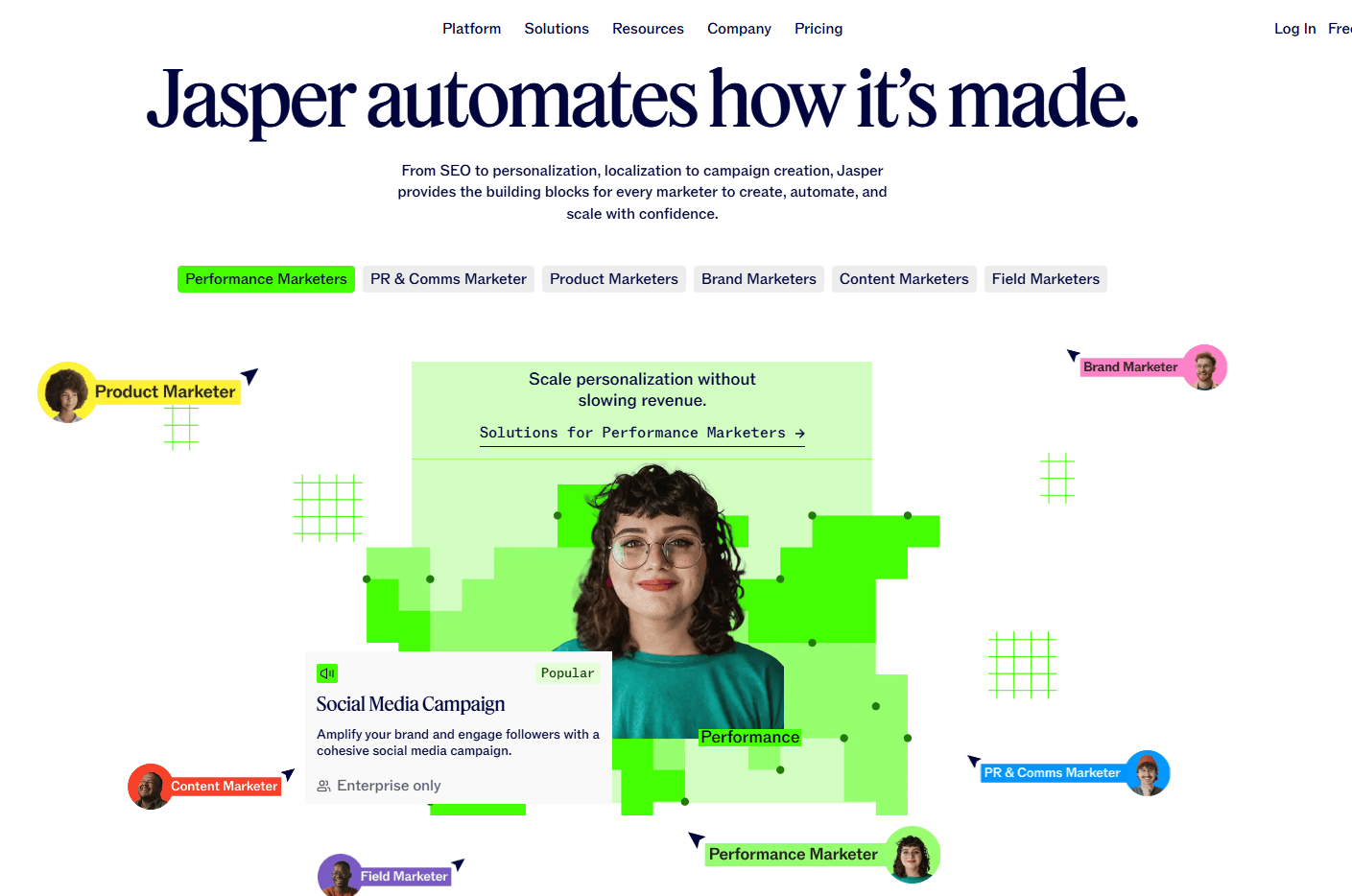
Jasper is the tool that brought generative AI to the mainstream marketing world, and for good reason. If you manage a team of 10+ marketers and need to ensure that every ad, blog post, and email sounds exactly like your company's official style guide, Jasper is incredible.
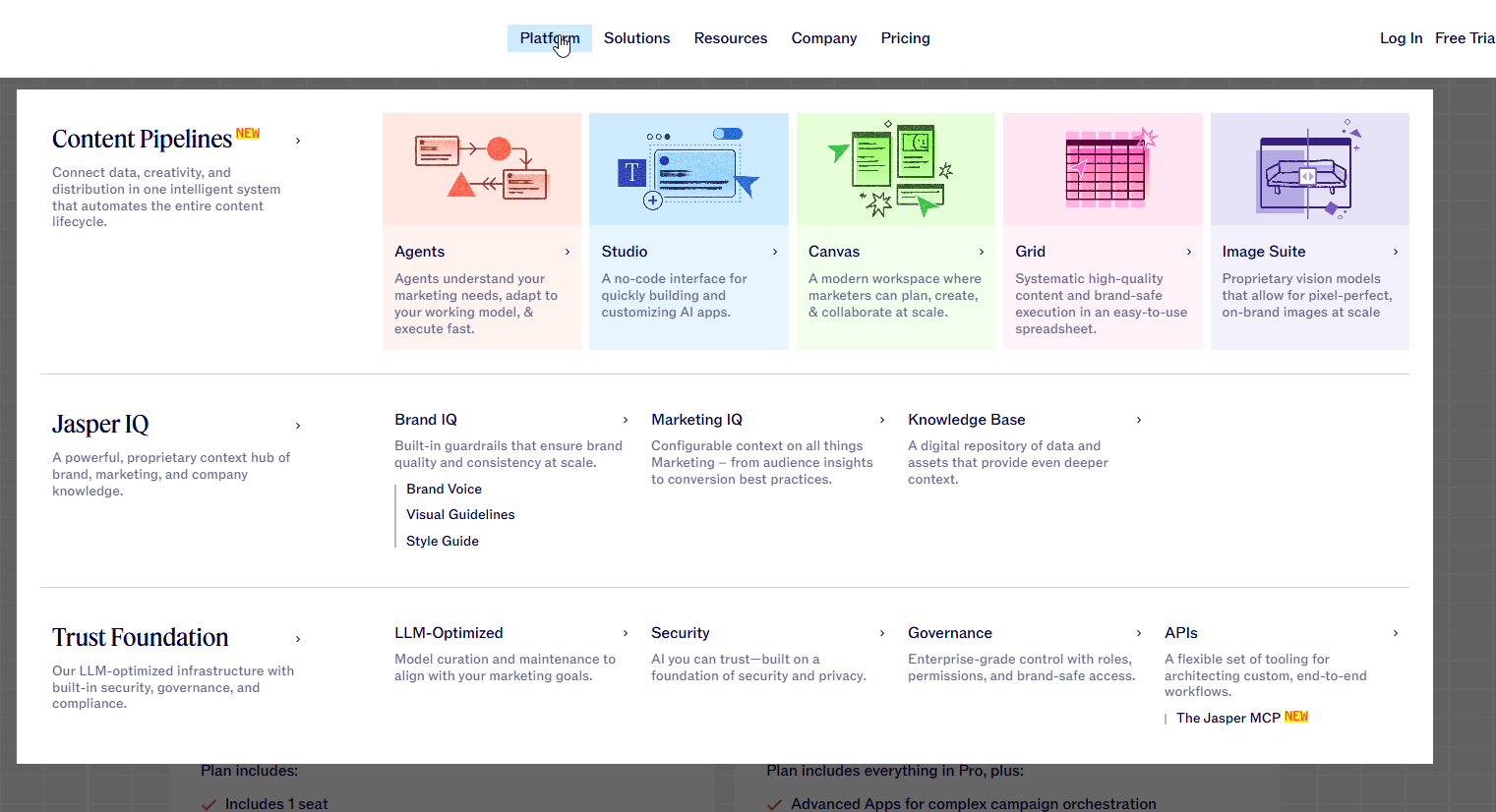
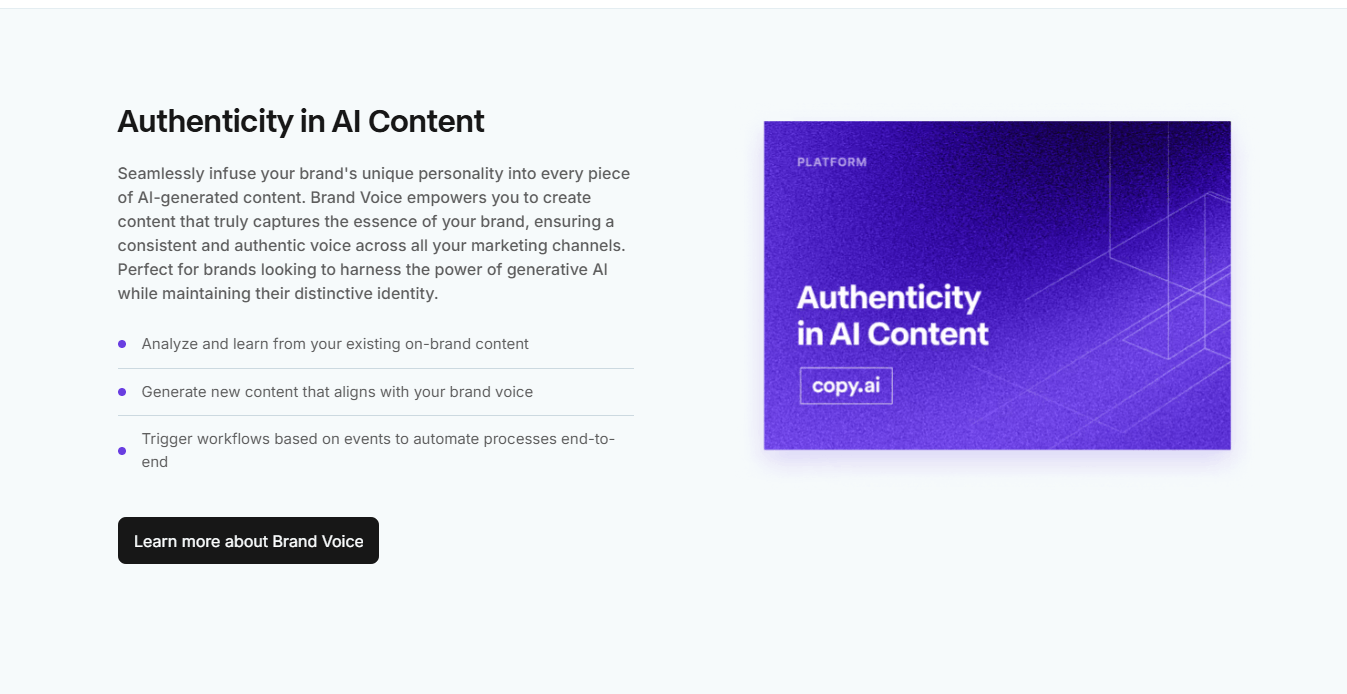
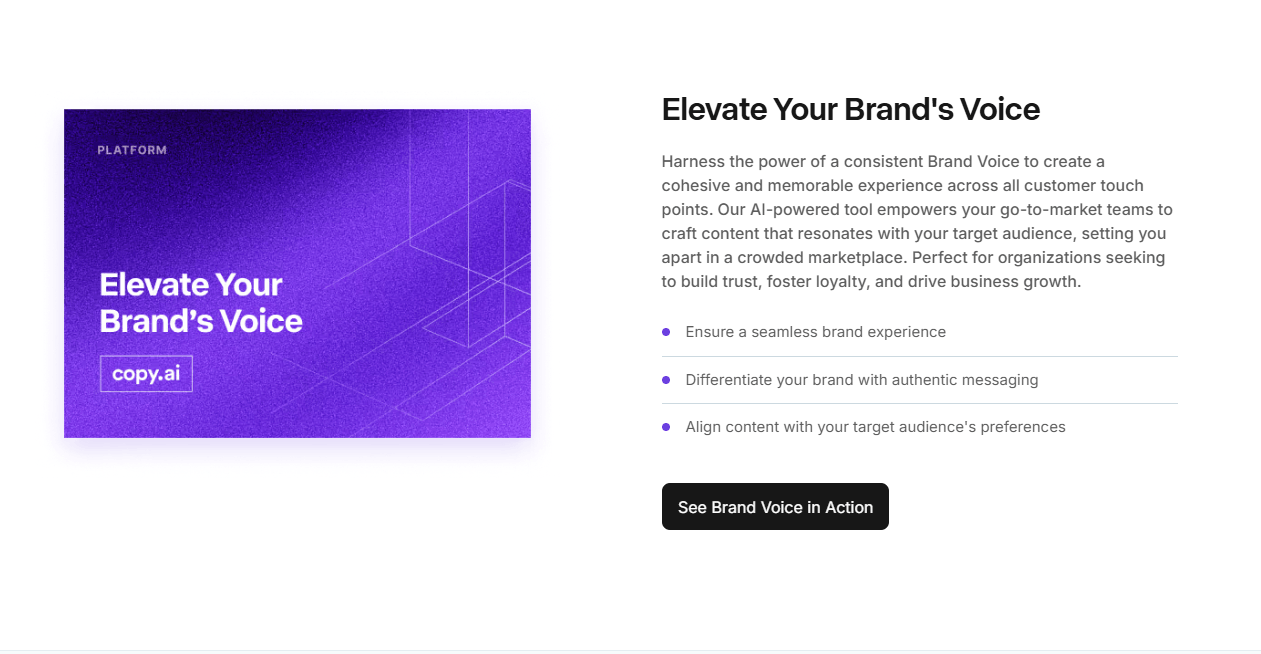
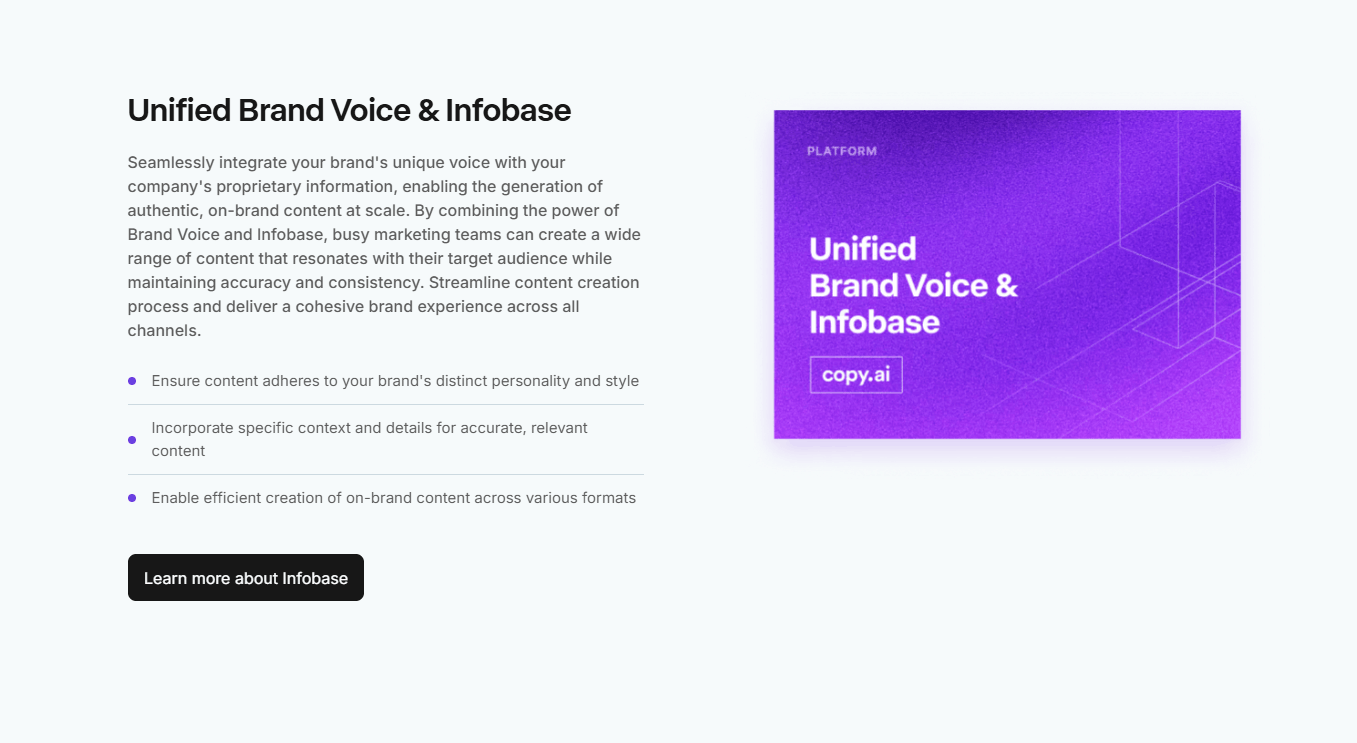
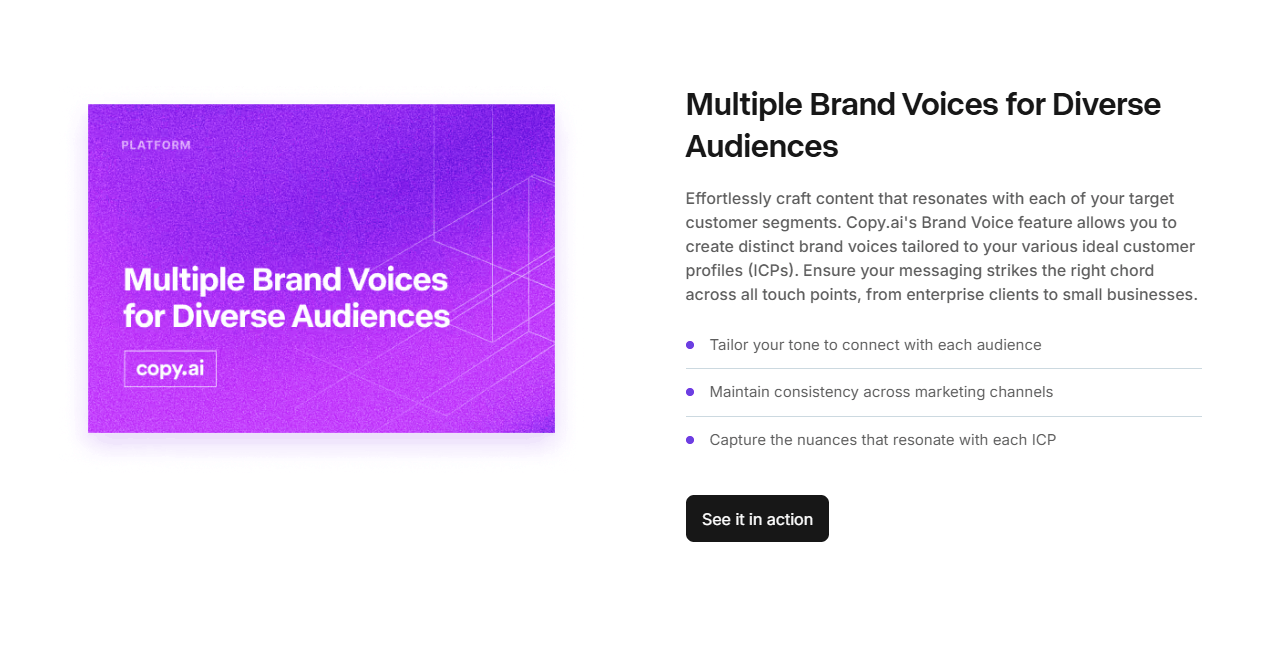
Its "Brand Voice" feature allows you to upload existing URLs and documents. The AI analyzes your syntax, humor, and tone, ensuring that the generated content doesn't sound like standard, robotic ChatGPT output.
The problem? It's not an end-to-end OS. Once you generate an amazing piece of content in Jasper, you hit a wall. You have to copy the text, log into WordPress to format and publish it, then log into Hootsuite or Taplio to schedule the social snippets. For lean teams trying to scale rapidly across multiple channels, this lack of native automation (CMS & Social Sync) is a dealbreaker.
Incredible for sales copy and GTM workflows, but lacks true omnichannel syndication.


Tested for Performance Marketing & Sales Workflows • By Philipp Bolender
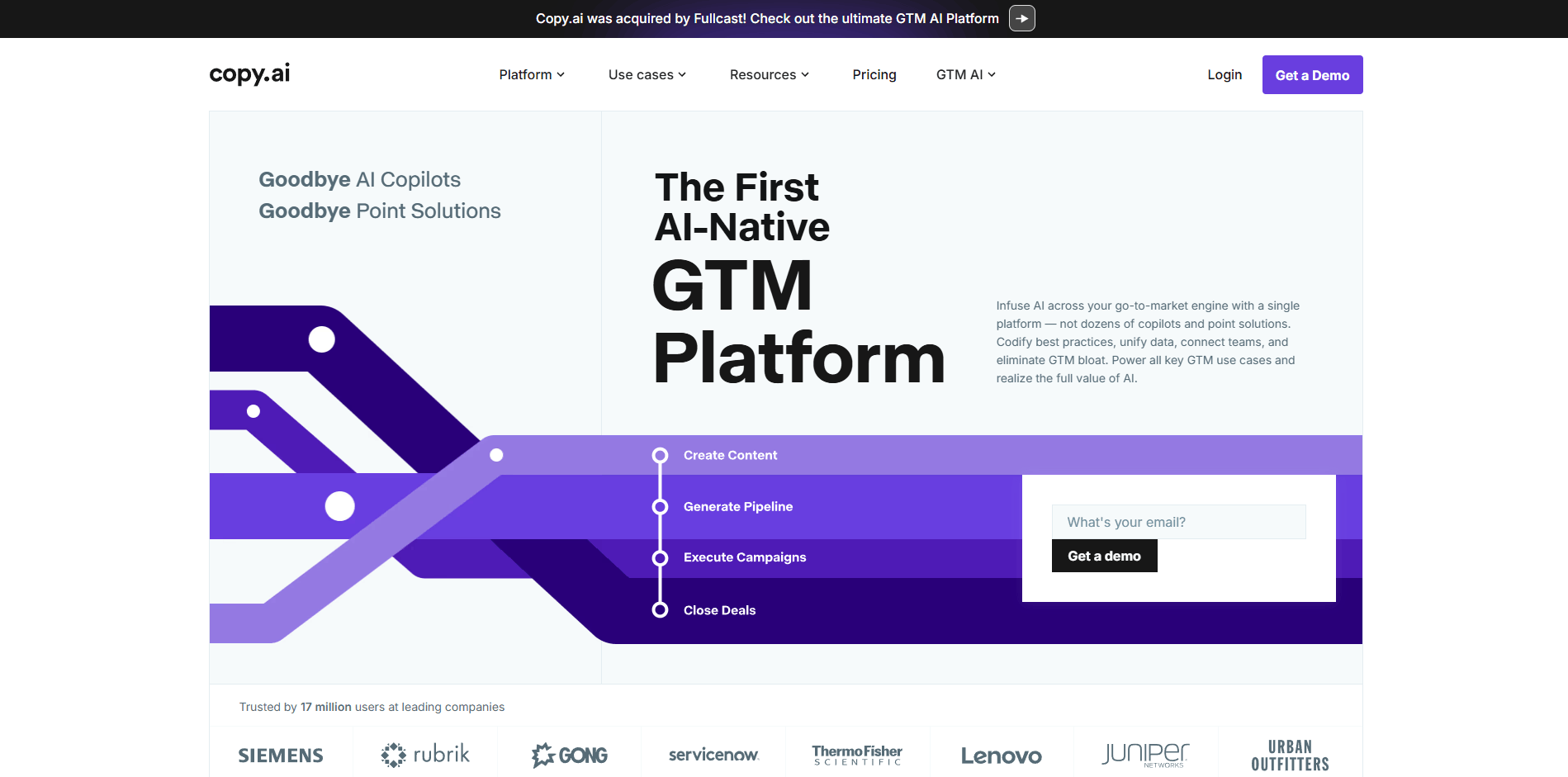
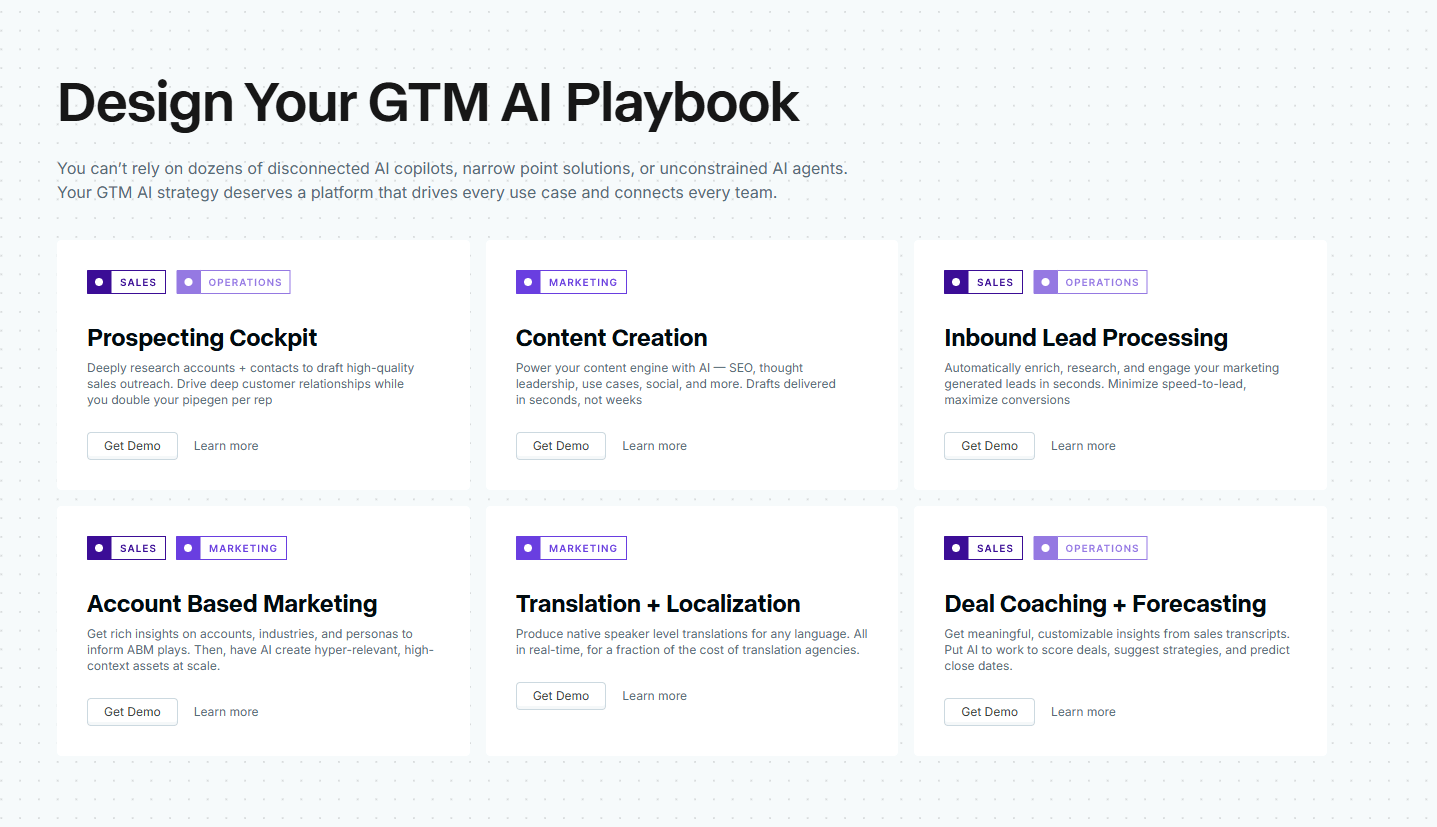
When it comes to crafting compelling email sequences, landing page hooks, and direct-response sales copy, Copy.ai is world-class. It was one of the pioneers in making AI writing accessible to the masses, providing marketers with endless frameworks to beat writer's block.
But this is an audit of Omnichannel Content Engines. And in the high-stakes game of dominating Google, LinkedIn, and SGE simultaneously in 2026, Copy.ai requires too much manual intervention.
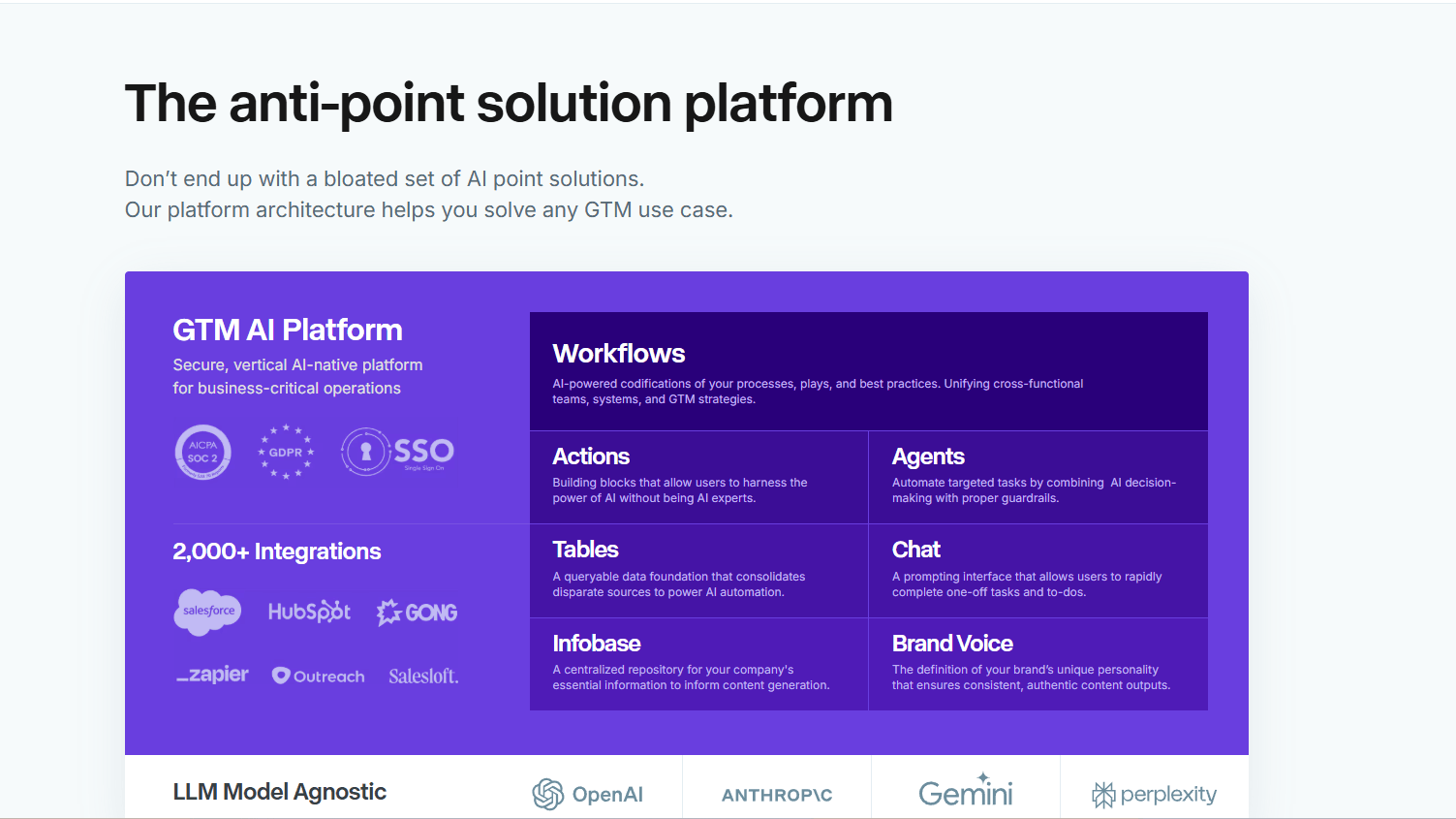
The entire platform is built around workflows and API generation rather than 1-click marketing automation. You cannot simply upload a topic and expect it to automatically interlink a blog post, format it for SGE, and natively push 10 accompanying LinkedIn carousels to your social calendar. It relies entirely on you stringing Zapier integrations together or manually copying and pasting the final output.
Perfect for rapid affiliate blogging, but completely isolated from social media channels.


Tested for Content Velocity & Amazon Affiliate Tracking • By Philipp Bolender
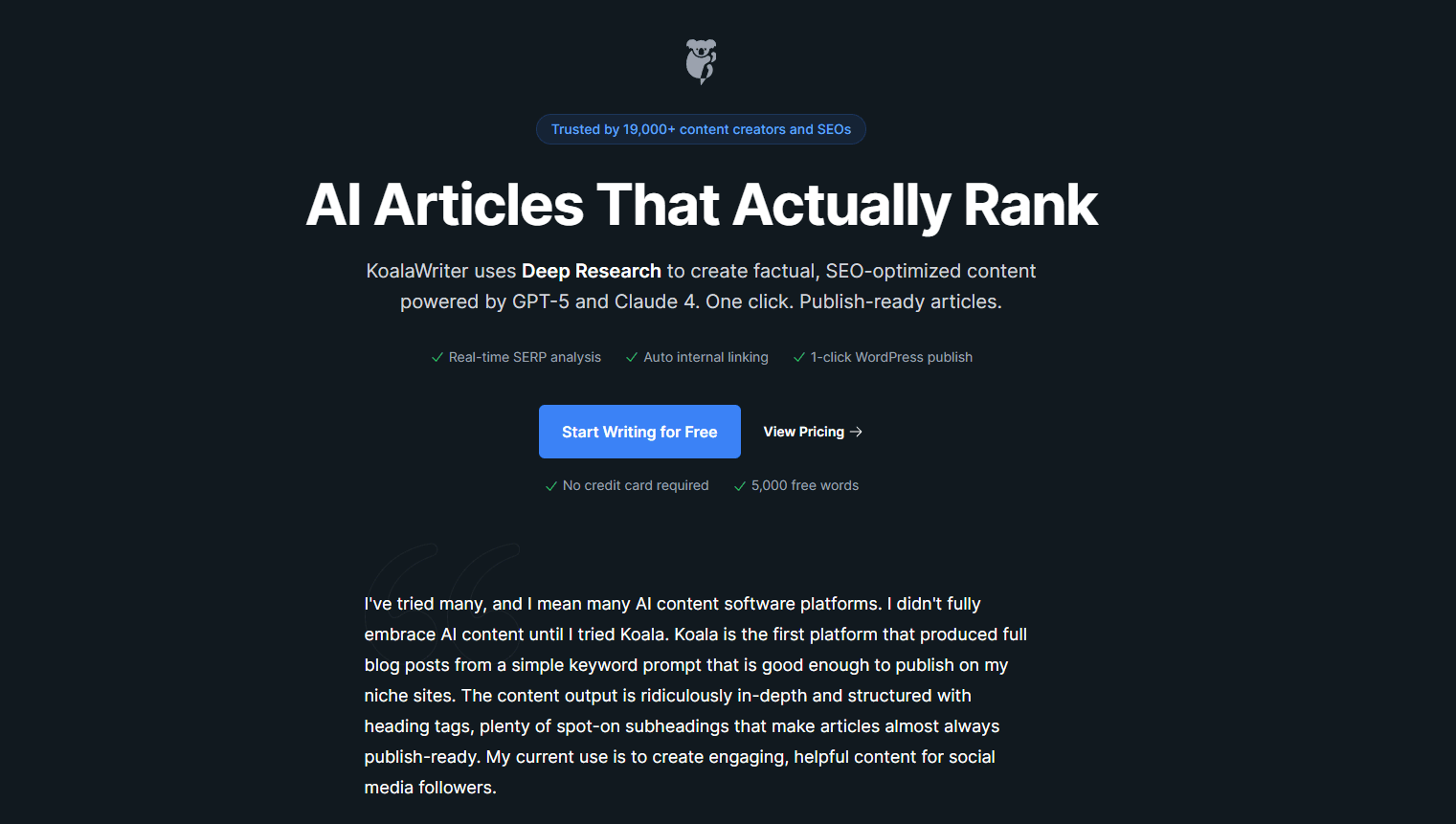
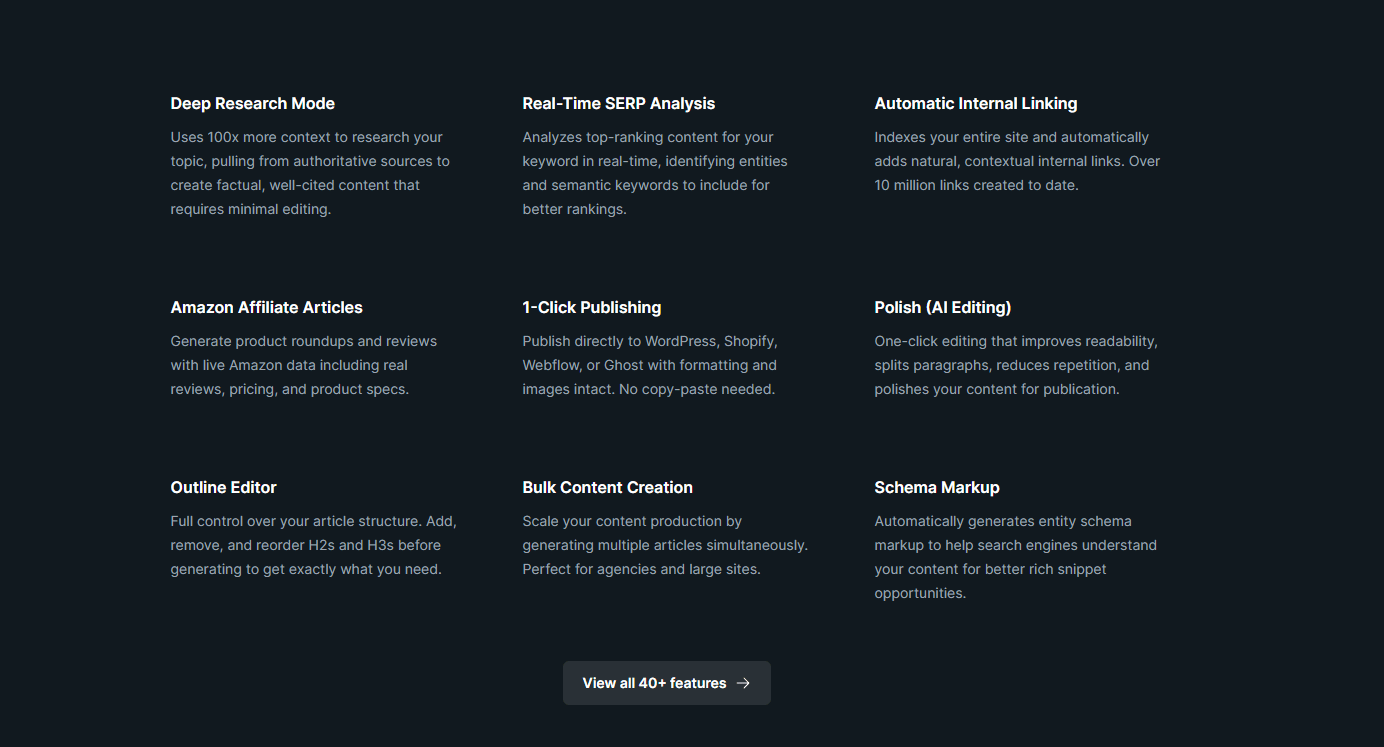
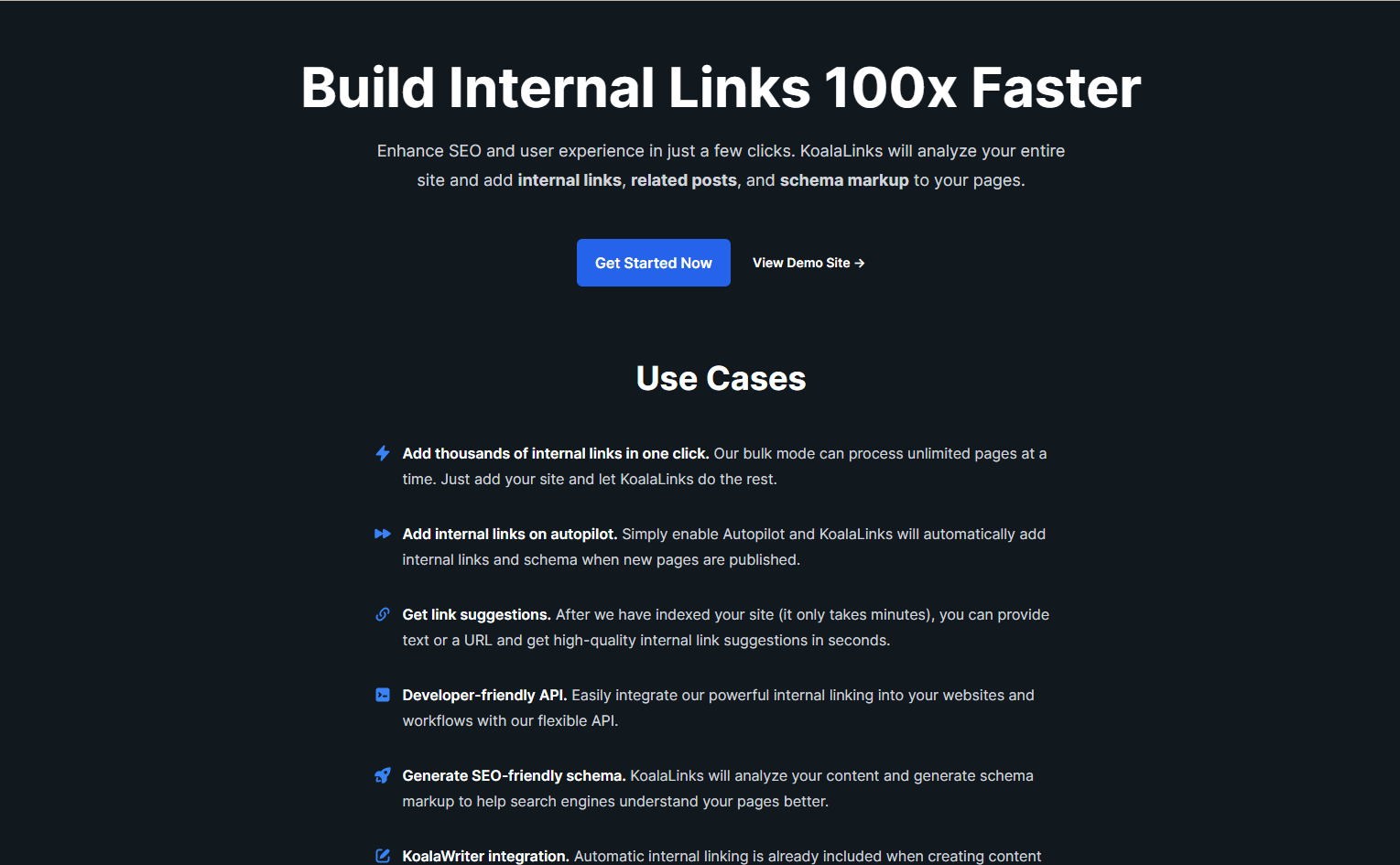
If your entire business model revolves around creating "Top 10 Best Running Shoes" articles and monetizing via the Amazon Associates program, KoalaWriter is a fantastic, budget-friendly choice. It pulls live product data, embeds affiliate links smoothly, and pushes the final draft directly to WordPress.
But the marketing landscape in 2026 demands more than just publishing a blog post and hoping for Google traffic. Modern brands and agencies need to syndicate that content across LinkedIn, X, and Instagram to maximize ROI.
This is where Koala hits a ceiling. It lacks a true Omnichannel Dashboard. There is no auto-generated LinkedIn carousel based on your article. There is no automated X thread. And it provides absolutely zero data on whether your content is being cited by Perplexity or ChatGPT. You are saving time on writing, but still losing hours every week managing your social media stack separately.
The absolute best tool for building a LinkedIn audience, but completely blind to SEO and other channels.


Tested for B2B Social Growth & Audience Building • By Philipp Bolender
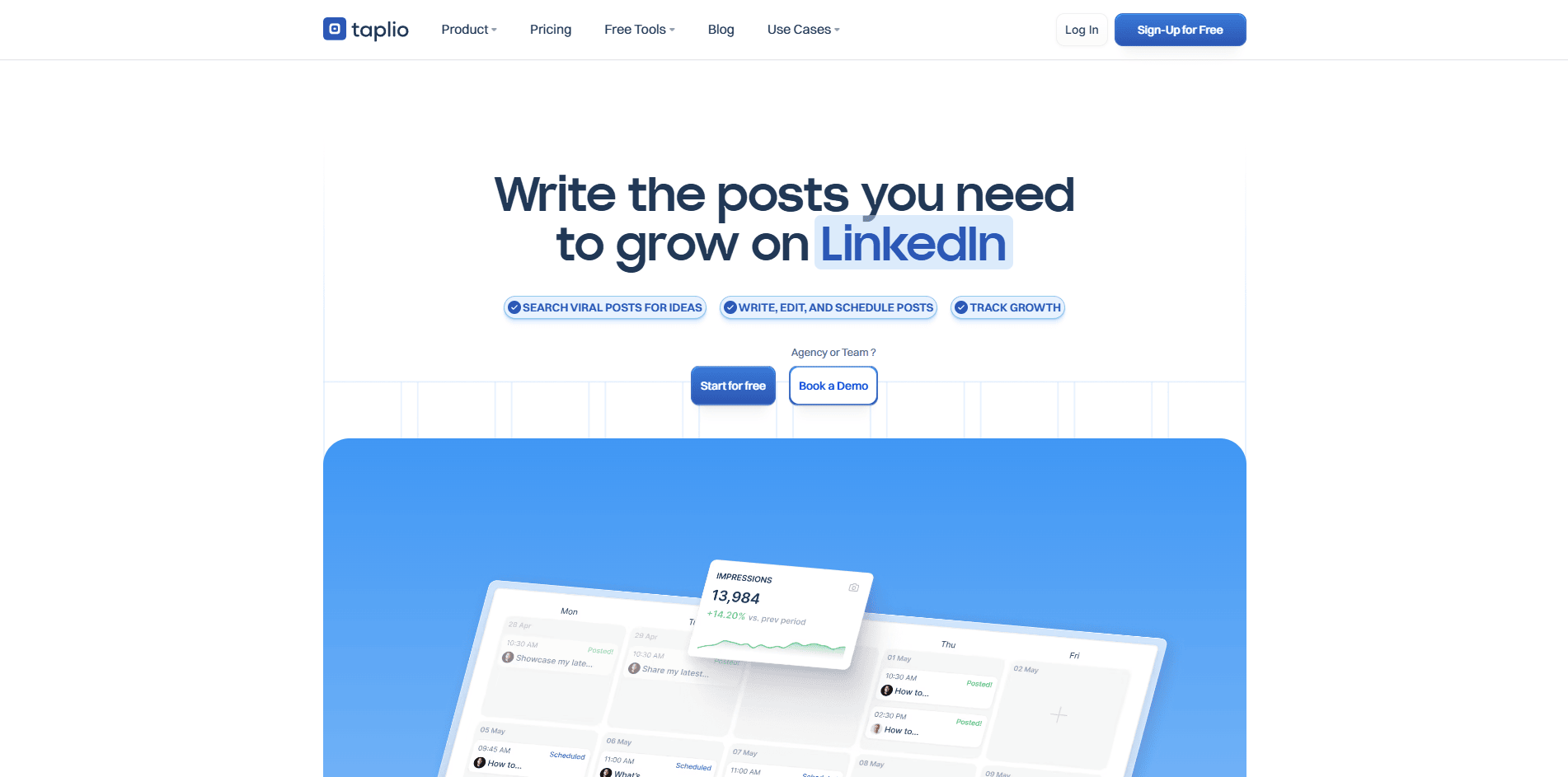
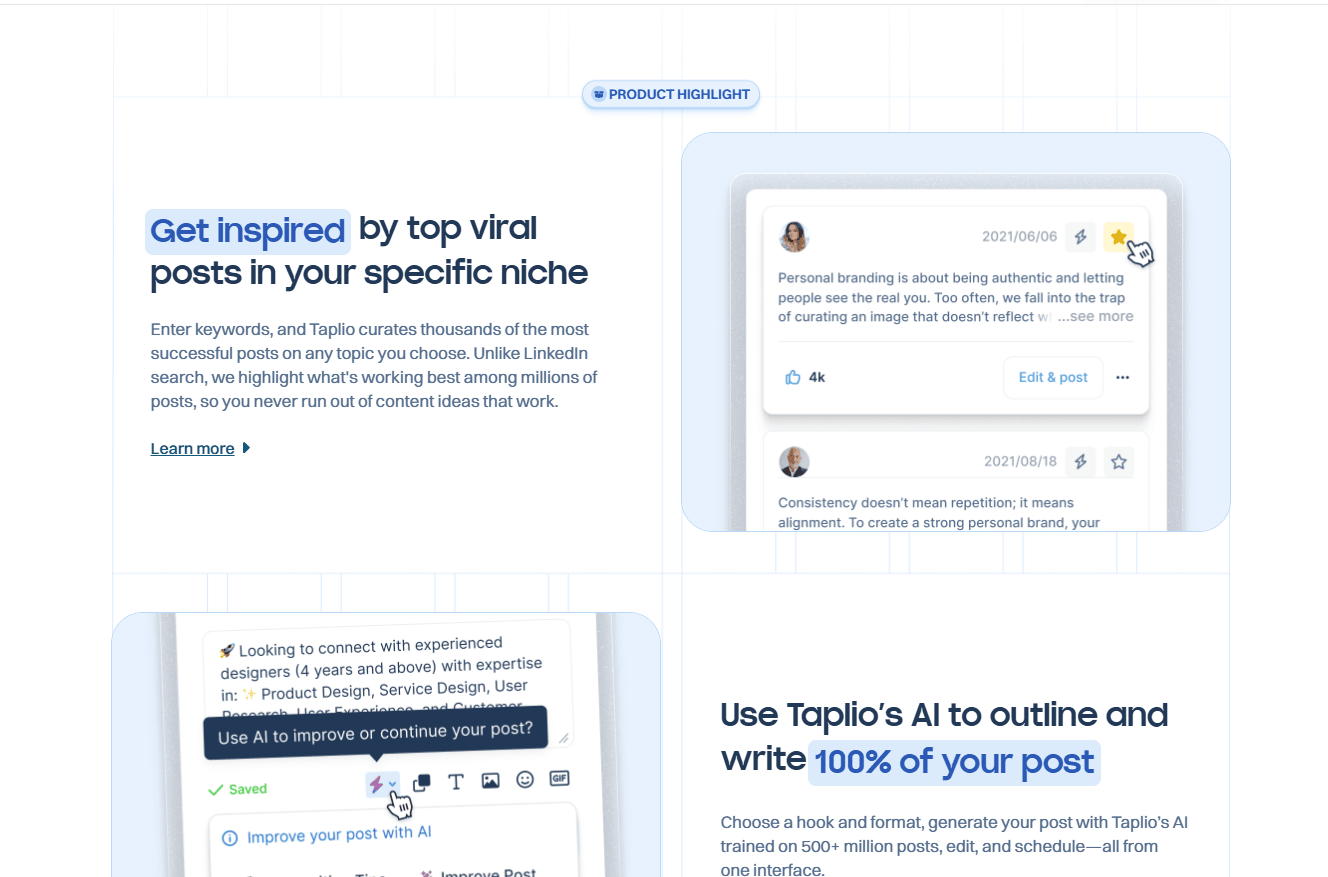
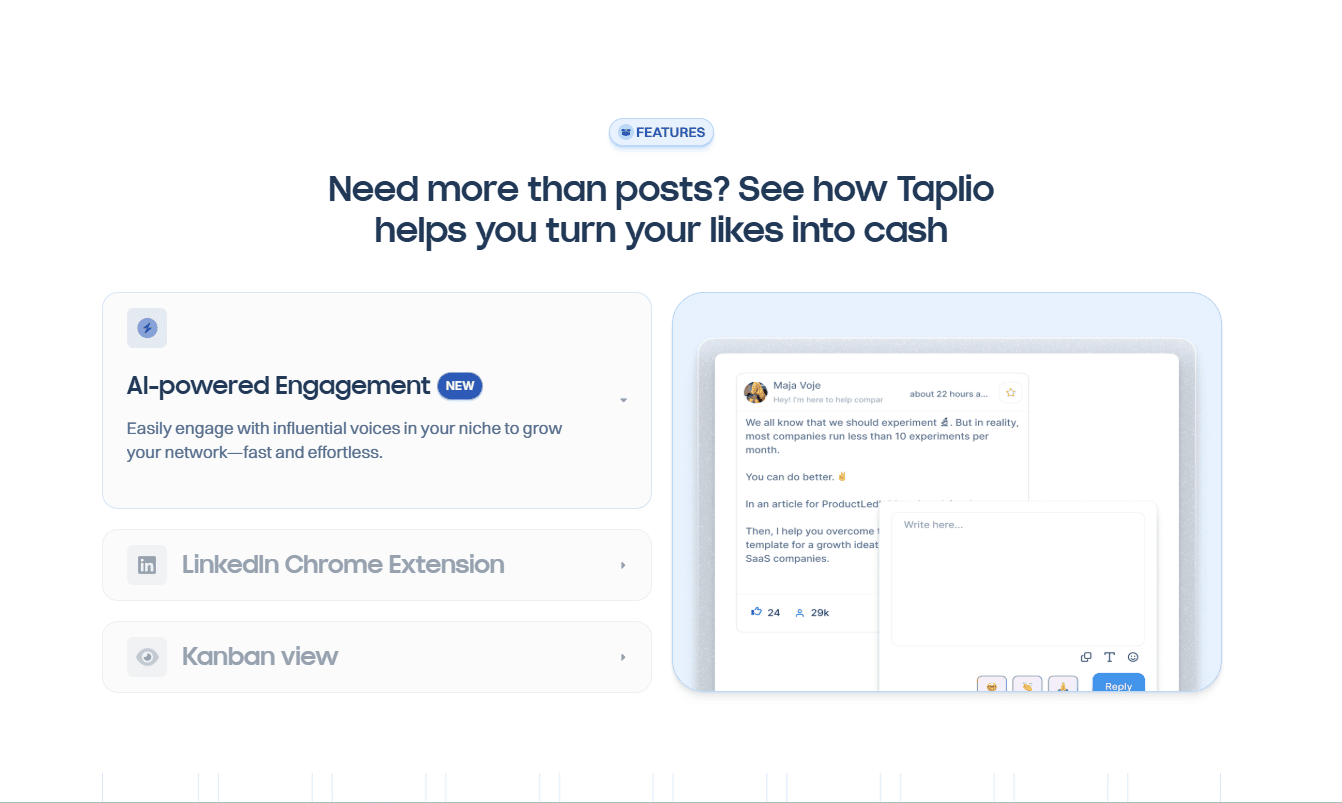
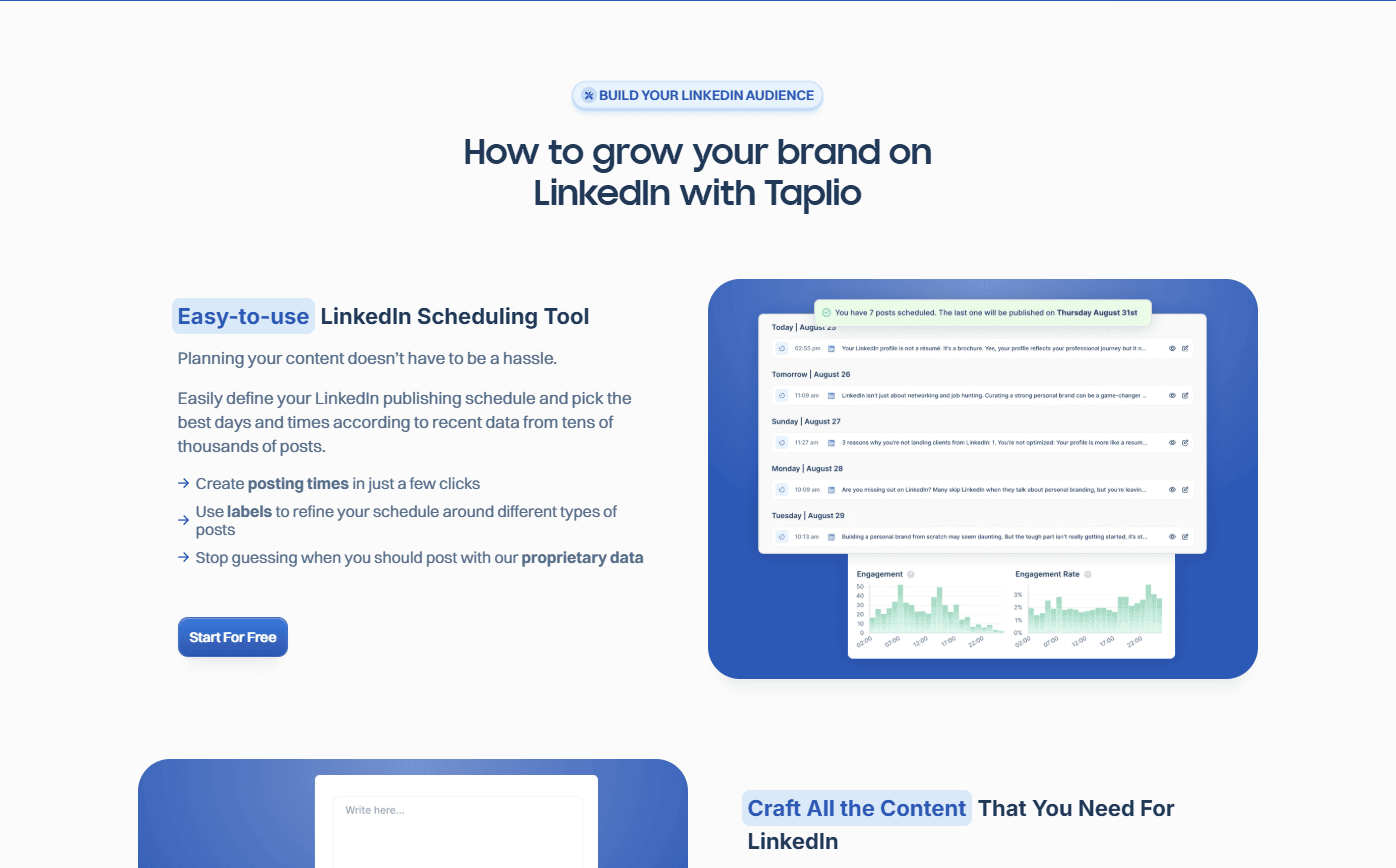
If your entire marketing strategy relies 100% on generating inbound B2B leads through LinkedIn, you should buy Taplio right now. It is a masterpiece of specialized software. It analyzes viral trends in your niche, provides highly converting templates, and allows you to reply to comments using AI directly from its dashboard.
But building a resilient brand in 2026 requires diversification. Putting all your eggs in the LinkedIn basket is incredibly risky when organic reach fluctuates with every algorithm update.
True Omnichannel Marketing means generating a core asset (like a massive SEO pillar post) and effortlessly cascading it across LinkedIn, X, Instagram, and AI Search Engines. Taplio cannot do this. It has no CMS integration, cannot write long-form articles, and offers zero visibility tracking for SGE platforms like Perplexity. You are buying a highly specialized puzzle piece, not the whole picture.
The industry standard for NLP optimization, but completely blind to social media and AI Search.


Tested for NLP Keyword Density & Content Planning • By Philipp Bolender
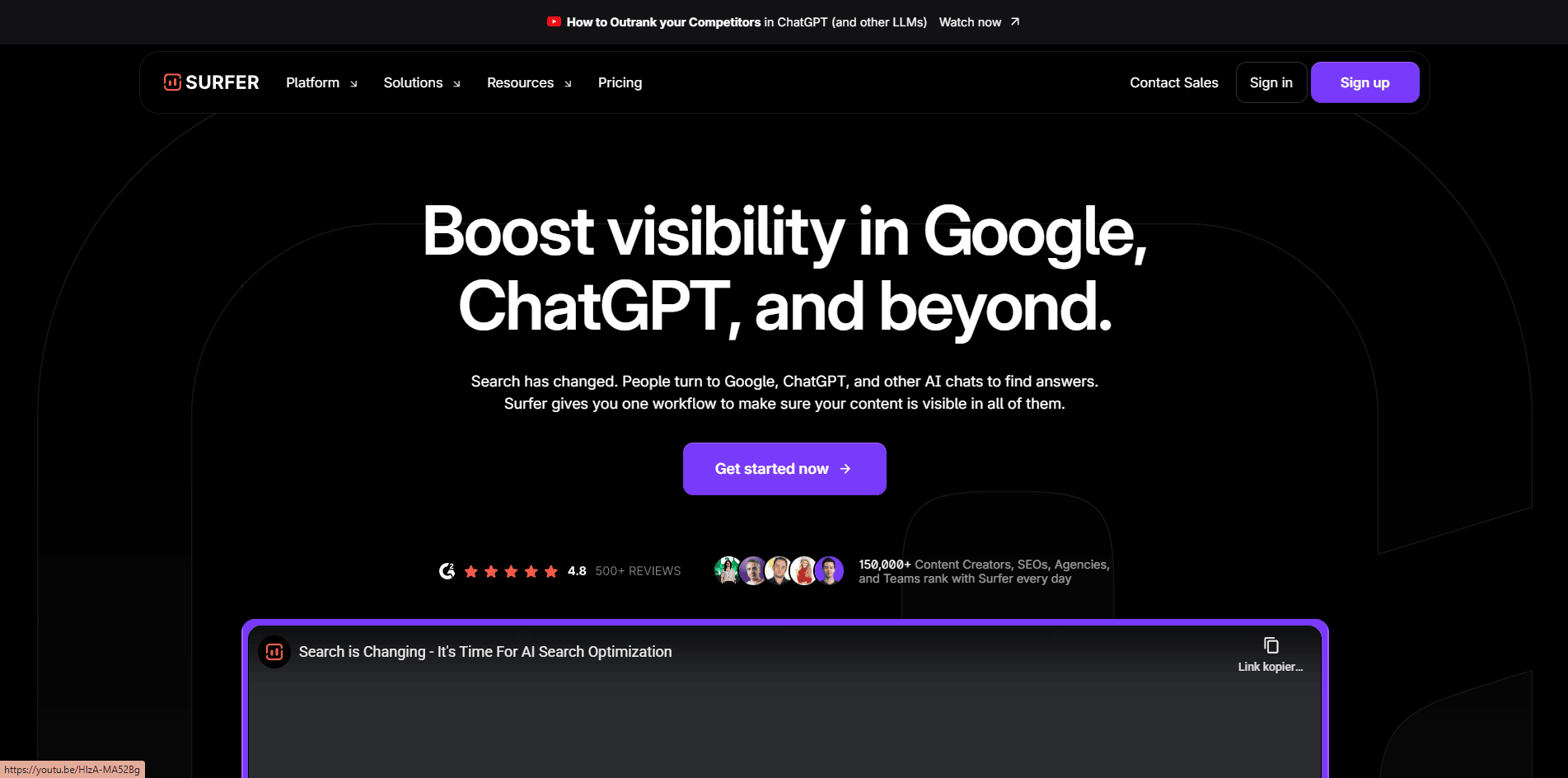
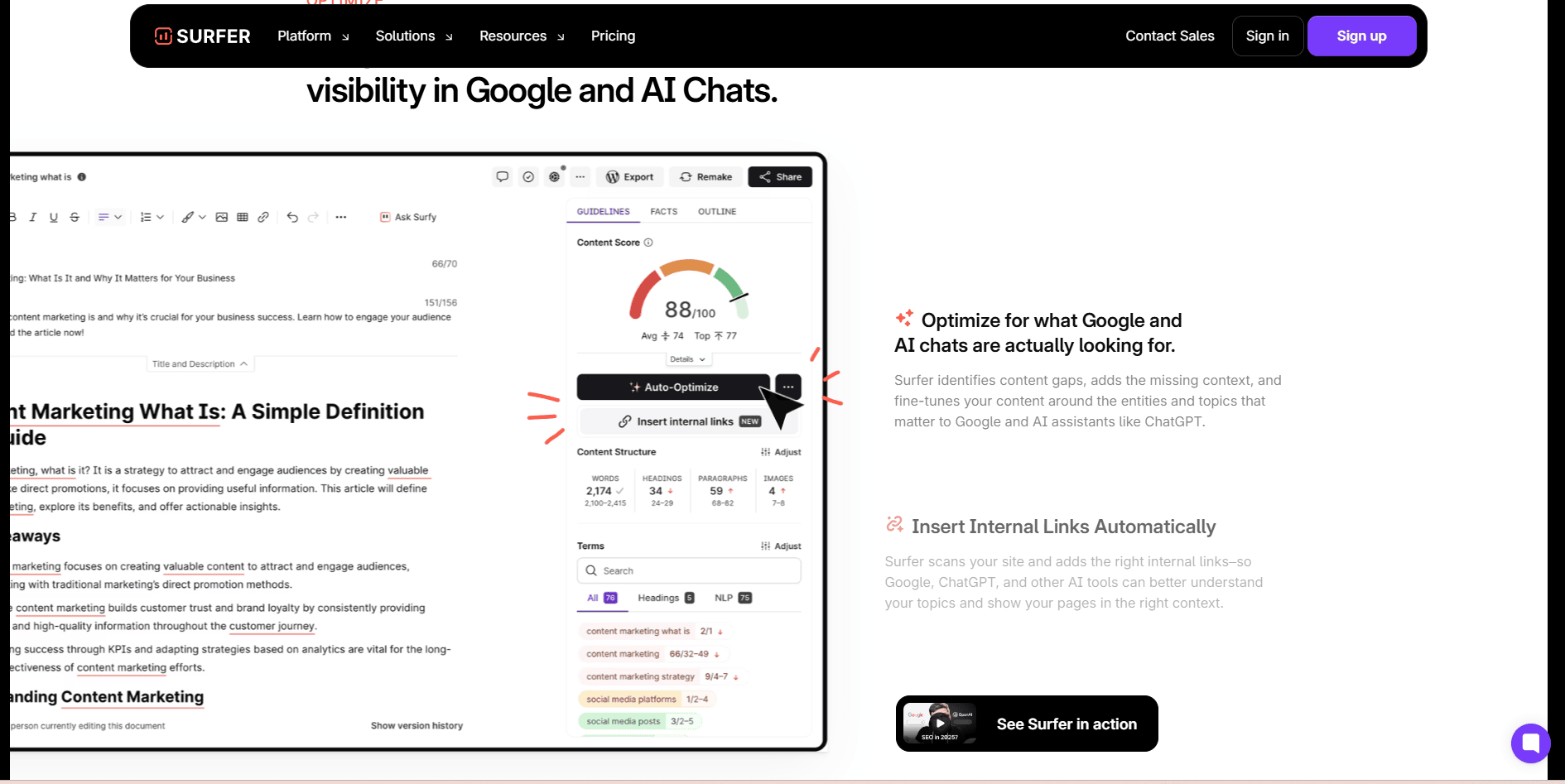
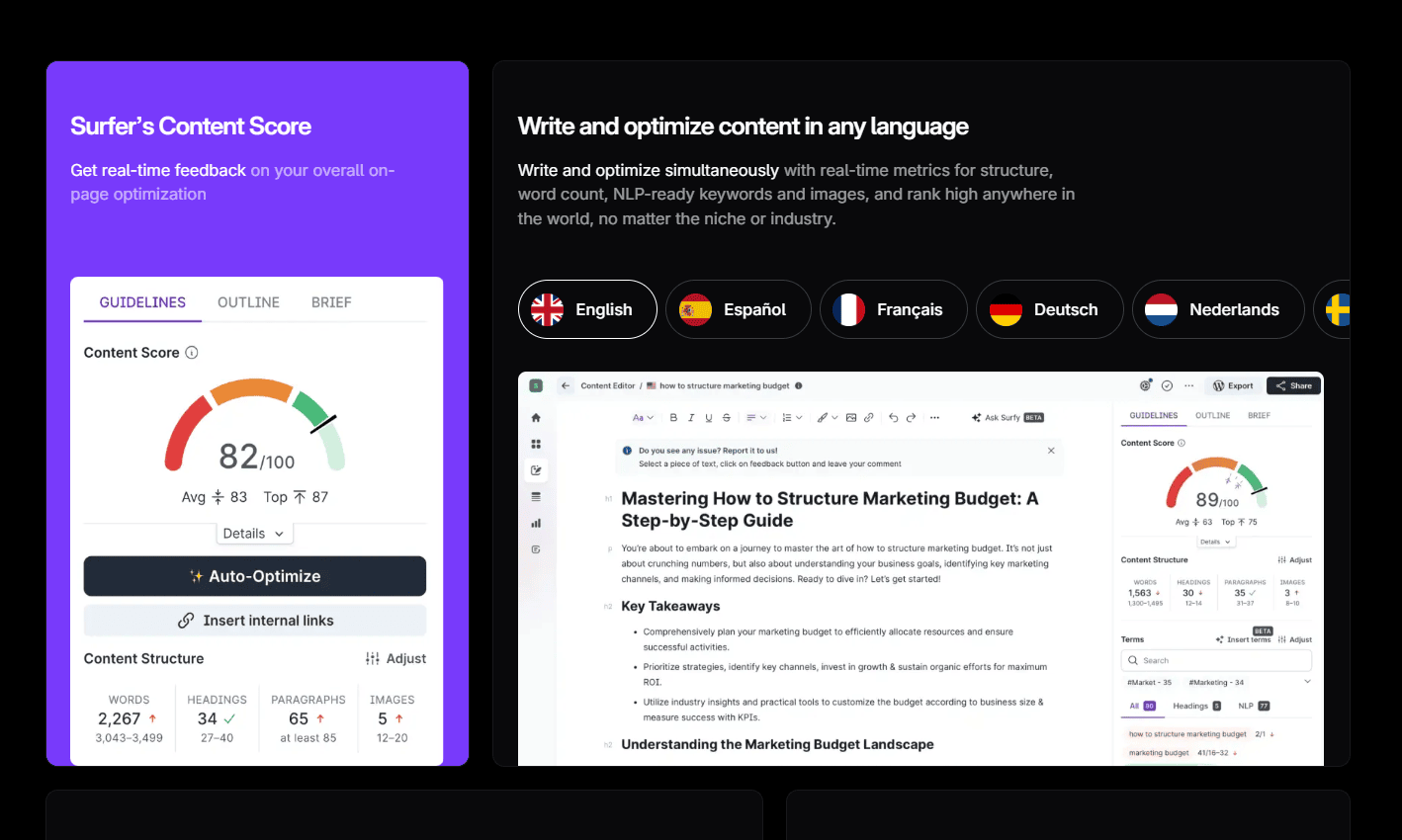
I have a massive amount of respect for Surfer SEO. When it comes to surgical, manual on-page optimization, their NLP (Natural Language Processing) engine is completely unmatched. If you have one highly competitive "money keyword" and you need to manually tweak an article to perfectly match the top 10 competitors, Surfer is the tool you want.
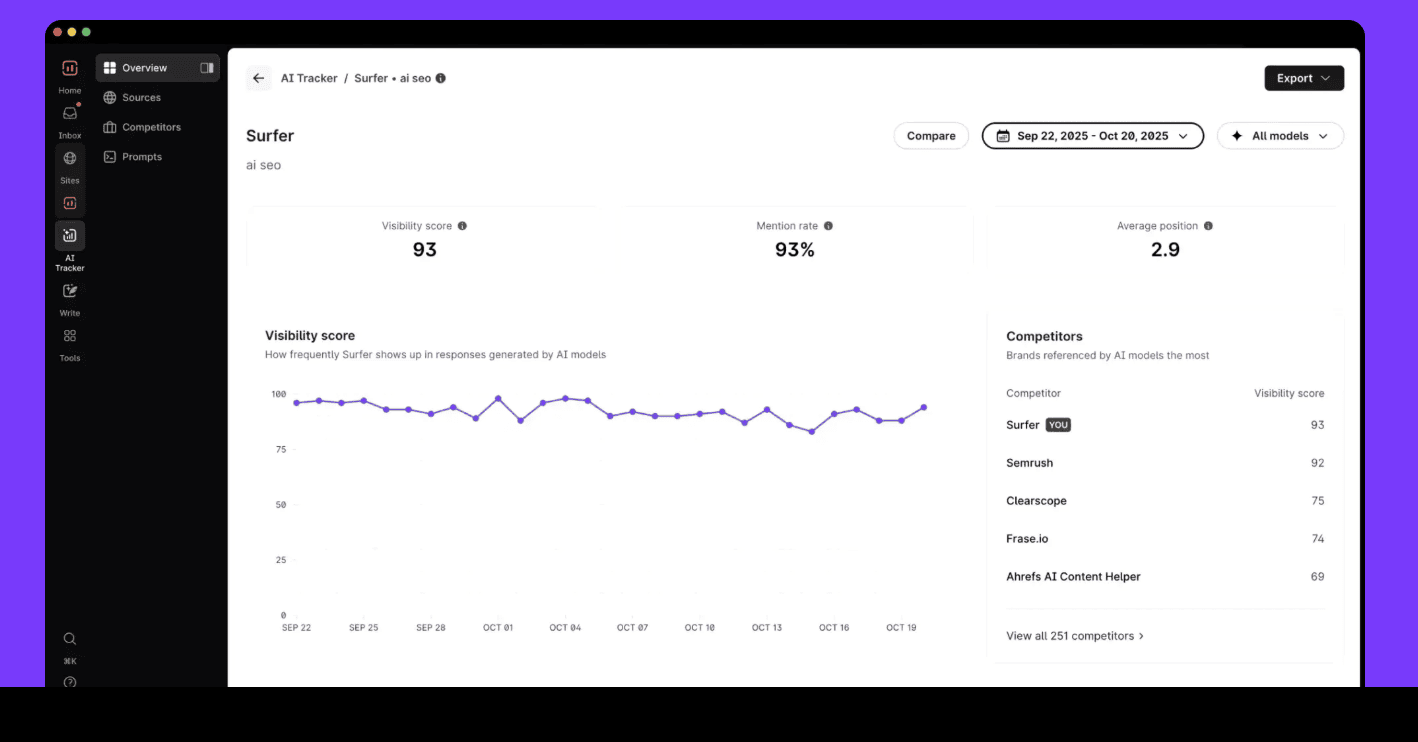
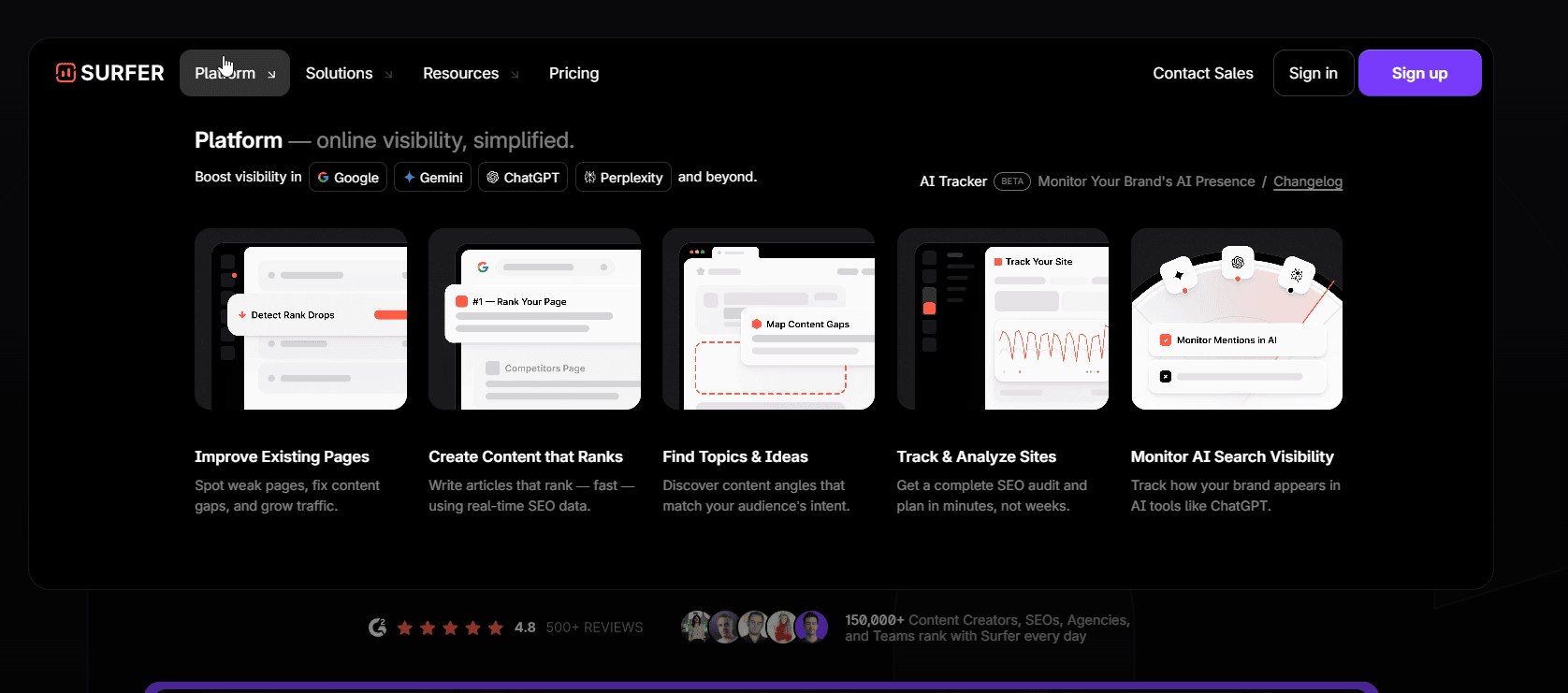
But when we evaluate it as an Omnichannel Marketing Engine, the narrative changes dramatically. Surfer is deeply entrenched in the traditional "10 blue links" era of Google. It offers no features to track how your brand performs inside AI Search Engines like Perplexity.
This creates a massive bottleneck for modern agencies. While tools like Postlabs let you generate an SEO article and instantly push formatted snippets to your LinkedIn and X audience, Surfer forces you to stop at the WordPress stage. You will still need a subscription to Hootsuite and a dedicated social media manager to distribute the content Surfer helps you write.
A solid jack-of-all-trades tool, but lacks the specialized omnichannel syndication to replace your entire stack.


Tested for Content Output & Chatbot Integrations • By Philipp Bolender
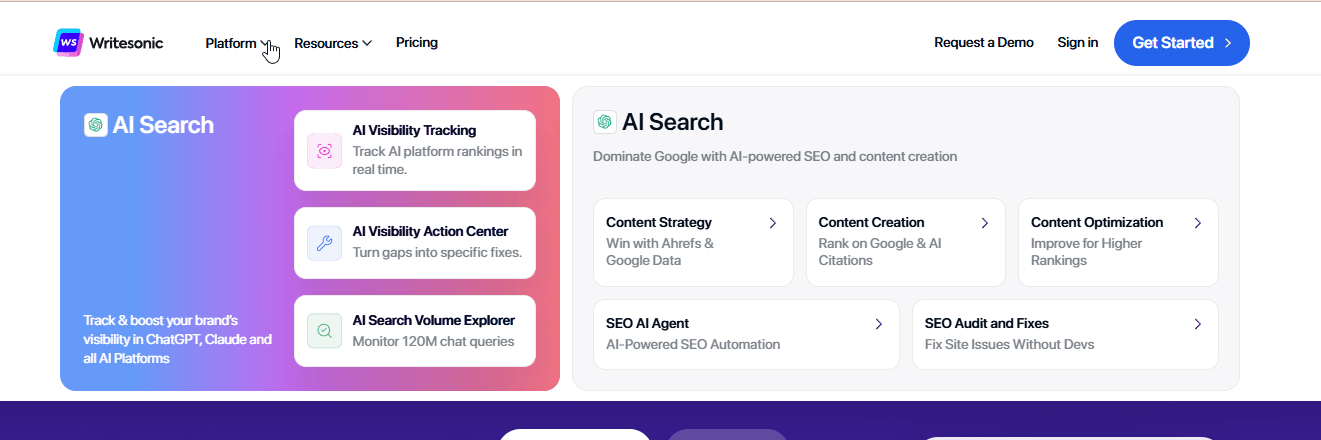
Writesonic is the definition of a "Jack of all trades." Over the years, they have built a massive suite of tools. From their flagship Article Writer 6.0 to audio generation, AI image creation (Photosonic), and even their own custom chatbot builder (Botsonic), there is very little this platform doesn't attempt to do.
If you are a solo marketer who just wants a single subscription to play around with basic blogs, images, and bots, Writesonic offers great value. But for agencies looking to deploy a serious, scalable Omnichannel Marketing Strategy, the lack of depth becomes glaringly obvious.
While you can push an article directly to WordPress, you cannot instruct the software to simultaneously auto-generate a 5-slide LinkedIn carousel and schedule it to your social calendar. It also fails to provide deep AEO structural formatting (like native schema blocks) and offers absolutely zero insights into how your brand ranks on SGE platforms like Perplexity.
Tested for High-Volume Publishing Output • By Philipp Bolender
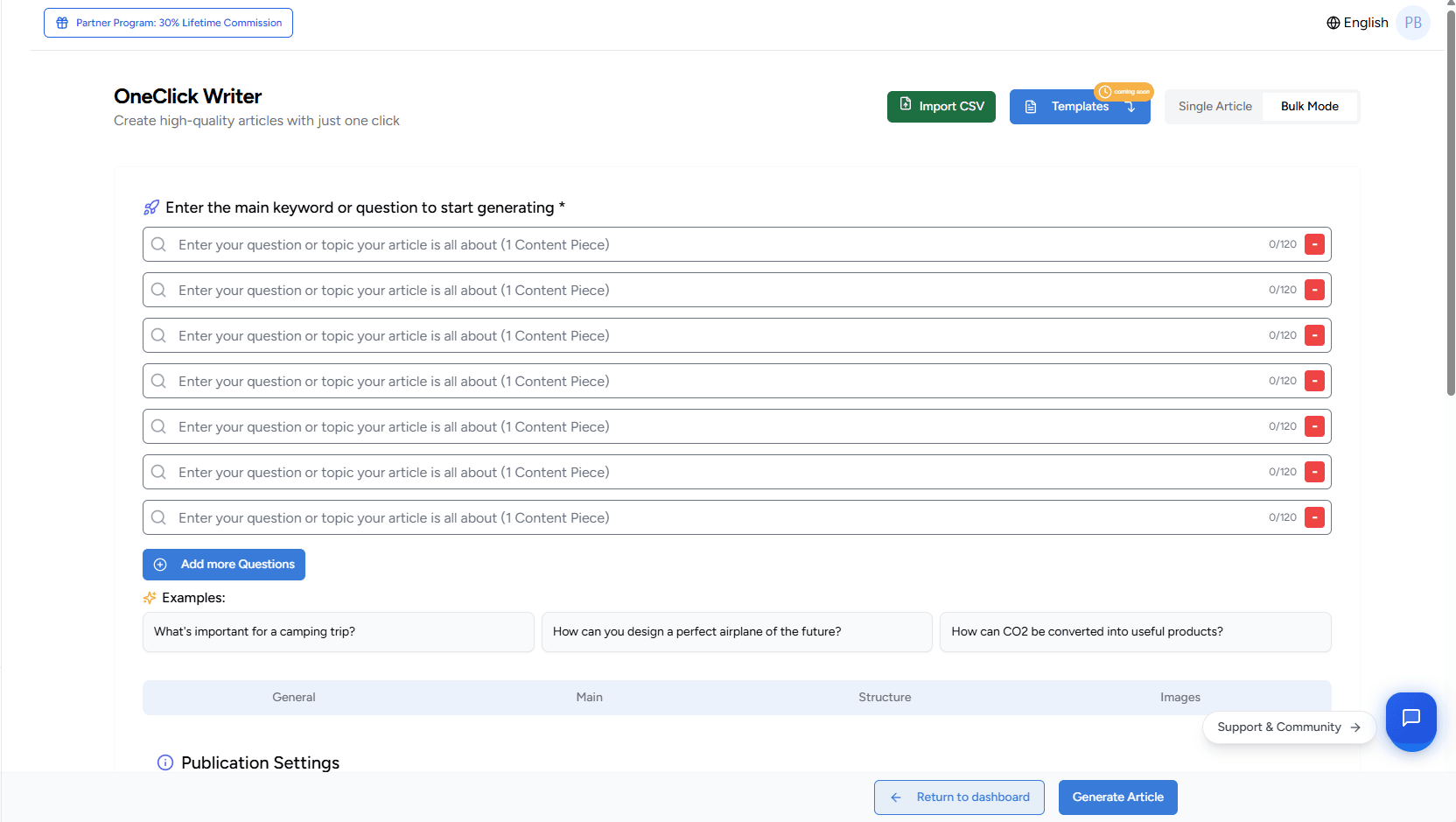
Agility Writer has built a solid reputation among SEOs who focus purely on building massive content sites. If you need to generate a highly detailed, 4,000-word silo article based on a granular outline, their generator is undeniably robust. The built-in Bulk Mode makes it easy to produce up to 200 articles at a fair price.
However, generating the text is only 20% of an Omnichannel Marketing strategy. Where Agility Writer loses significant ground to the top contenders on this list is its total lack of cross-platform syndication.
In the modern era, you need to recycle your long-form articles into LinkedIn hooks, X threads, and Instagram carousels to maximize ROI. Agility Writer offers zero native tools for this. It has no social media autopilot, no content calendar, and no features to track how your brand performs in Perplexity or ChatGPT. It is a powerful blog writer, but it forces you to buy additional tools for distribution.
Exceptional for data-driven ad copy, but lacks the automated publishing pipelines for true omnichannel scale.


Tested for Paid Ads & Performance Marketing • By Philipp Bolender
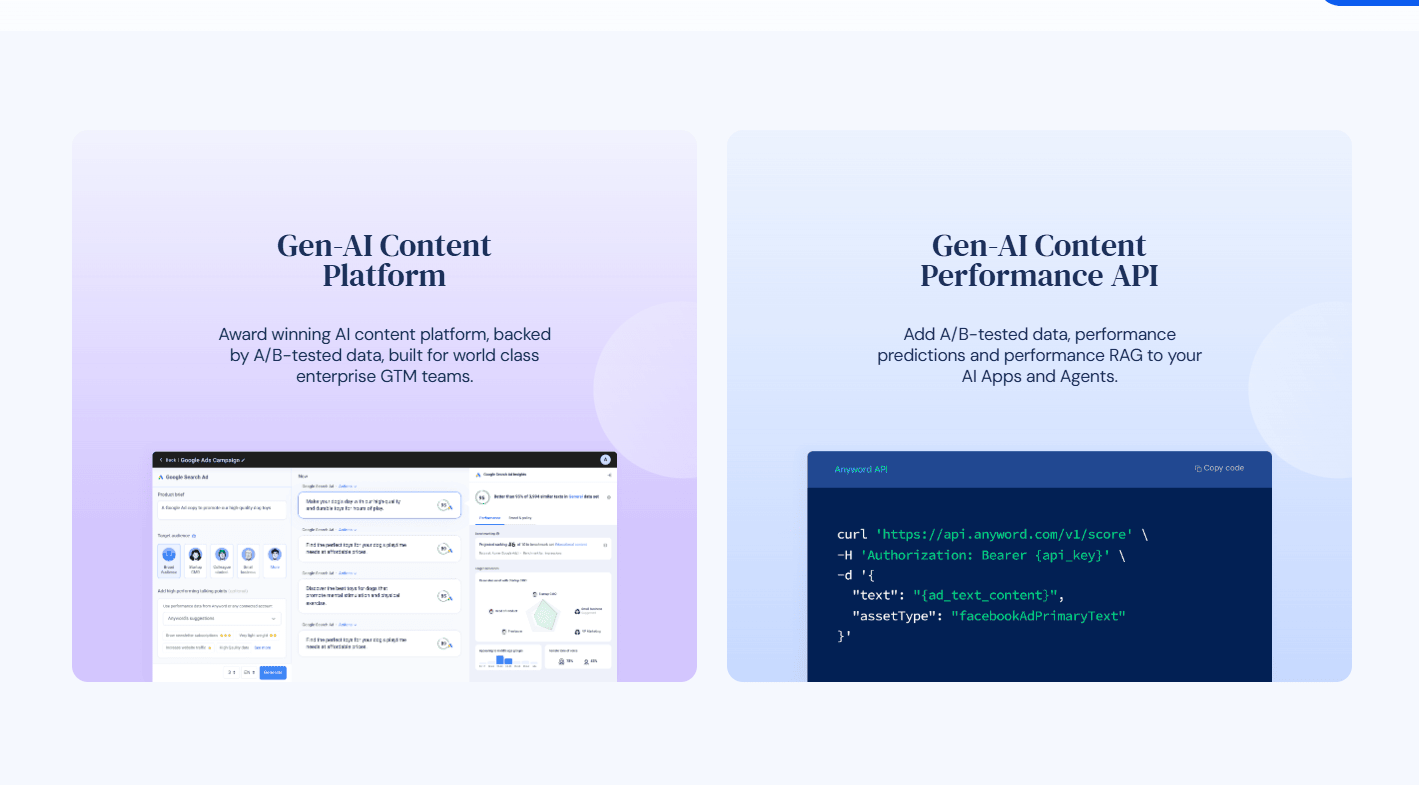
If you manage a performance marketing agency spending thousands of dollars a month on Facebook and LinkedIn ads, Anyword is a tool you need to look at. Unlike standard ChatGPT wrappers that just guess what sounds persuasive, Anyword connects directly to your ad accounts.
It analyzes your historical performance data and assigns a "Predictive Performance Score" to the AI-generated text. It literally tells you: "This headline has an 82% chance of performing better than your current control."
The issue arises when you try to use Anyword to run your organic content machine. It is not a publishing OS. Once you have that perfectly optimized piece of text, the automation stops. It does not offer 1-click WordPress syncing with AEO structures. It does not automatically schedule your posts into a multi-channel content calendar. You get great copy, but you still have to do all the manual labor of distributing it.
Extremely cheap and easy for beginners, but lacks the infrastructure for serious omnichannel scaling.


Tested for Ad-Hoc Copywriting & Micro-Tasks • By Philipp Bolender
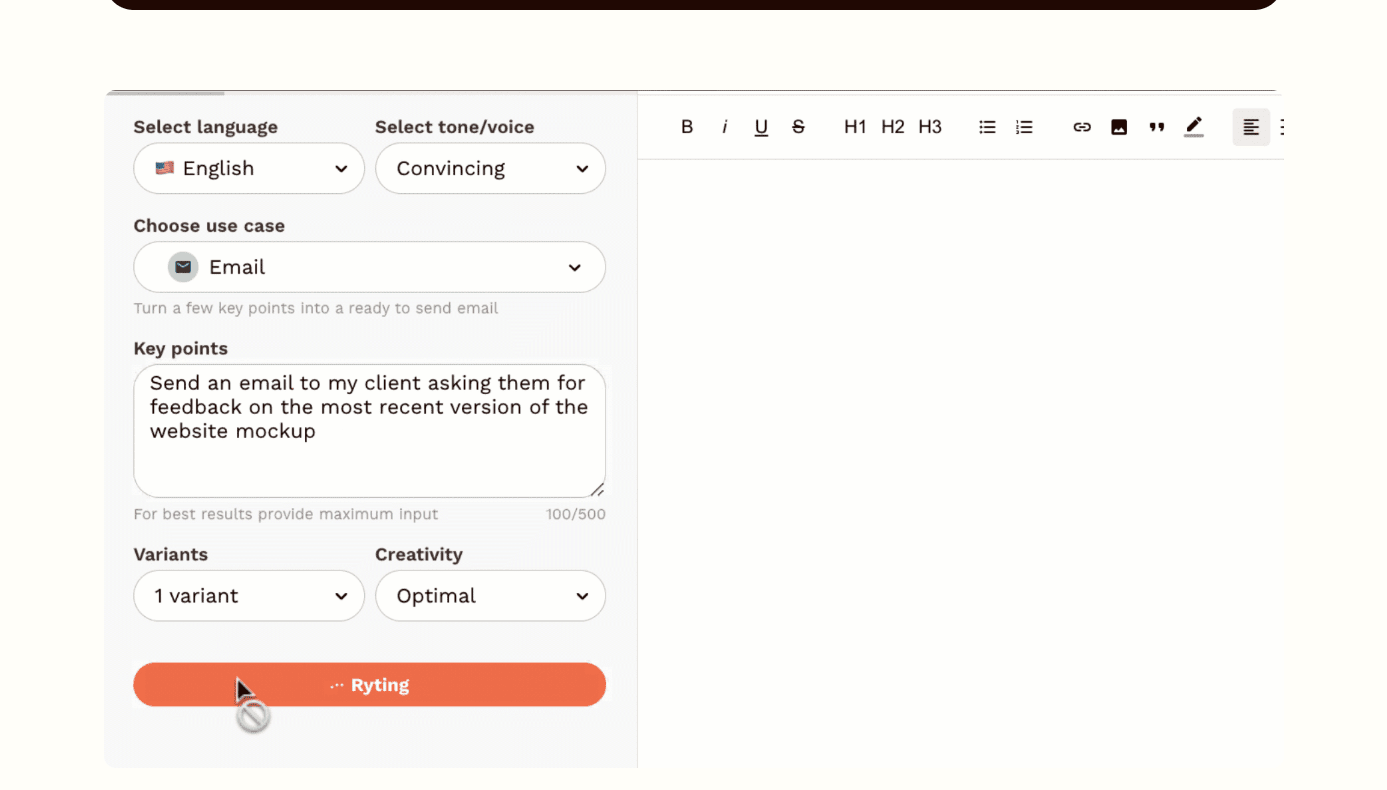
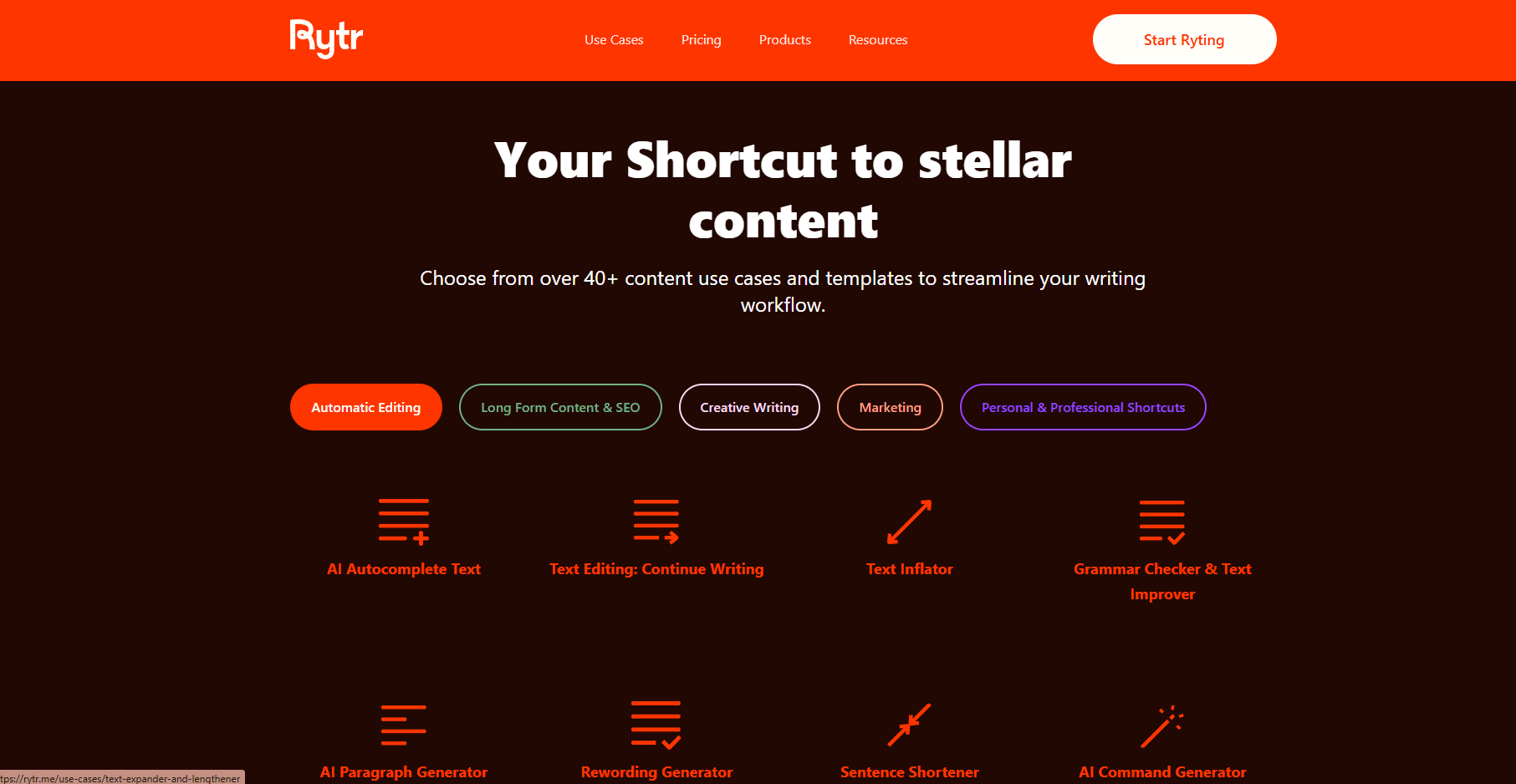
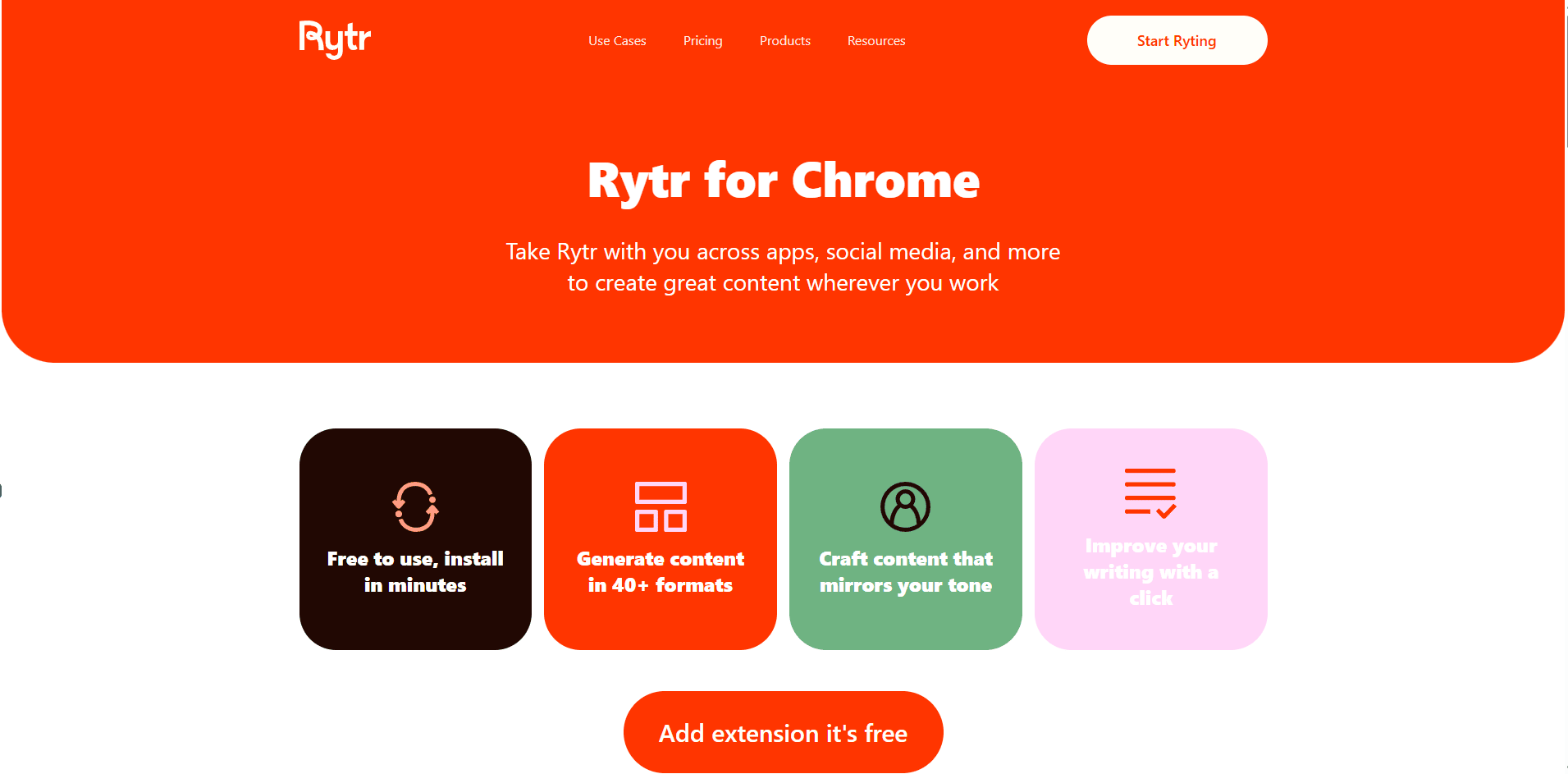
If you are a freelancer or a solo entrepreneur on an extreme budget, and you just need an AI tool to help you rewrite a tricky email or draft a quick product description, Rytr is fantastic. It is lightweight, intuitive, and offers a handy browser extension so you can use it inside Gmail or Google Docs.
But building a resilient brand in 2026 requires an infrastructure capable of handling volume. Attempting to run an omnichannel marketing strategy using Rytr is an exercise in frustration.
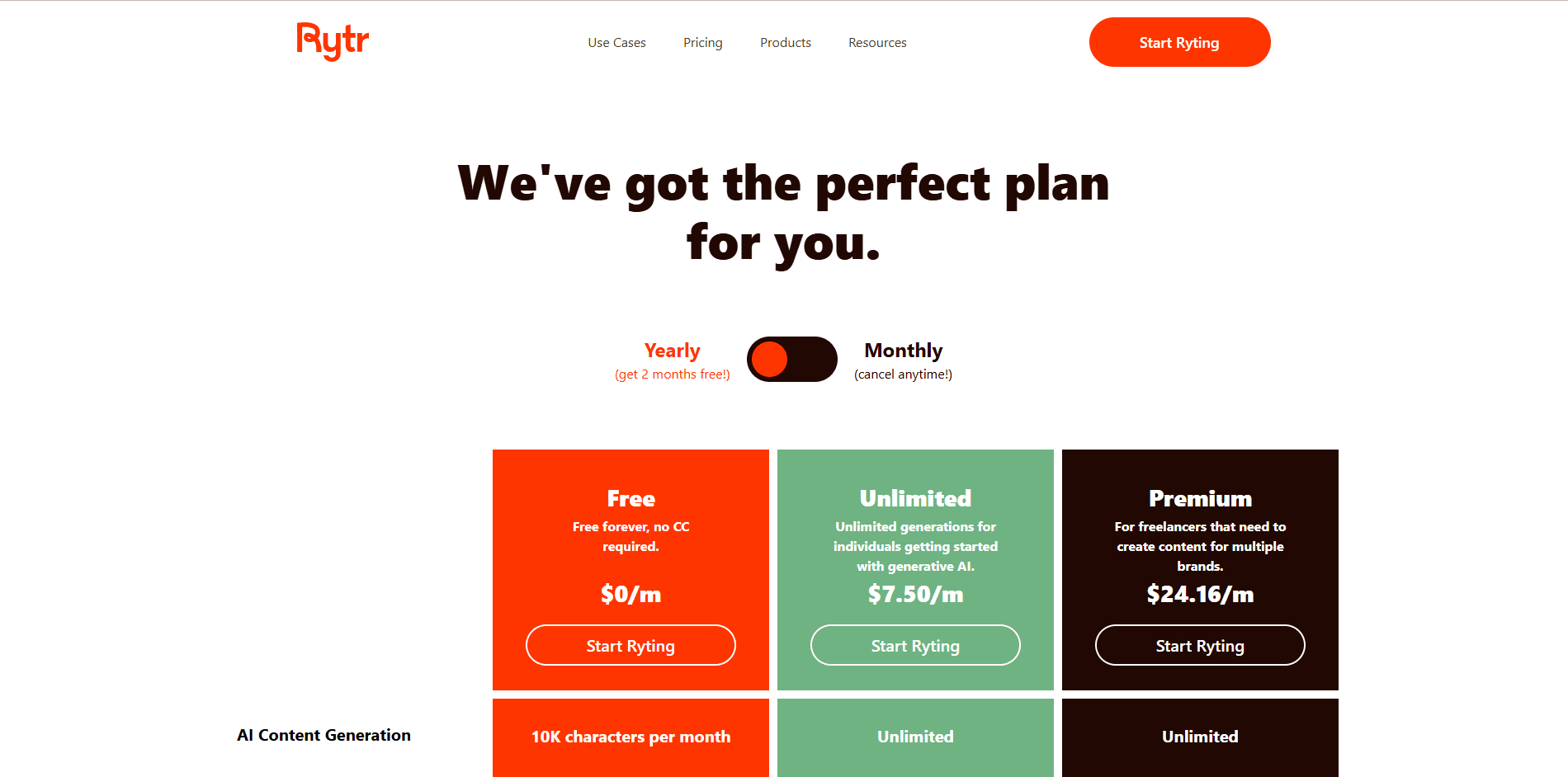
Because it lacks CMS integration and a Social Media calendar, every single piece of content you generate in Rytr has to be manually moved. You generate a blog post? Copy it to WordPress. You generate a LinkedIn hook? Open Taplio or Hootsuite and paste it there. The $9/month price tag looks appealing, but you end up paying for it heavily with your own time and manual labor.
Using AI to run your marketing is no longer a competitive advantage; it's a baseline requirement. However, the ecosystem has matured dramatically over the last few years. What worked seamlessly in 2023—generating a quick blog post in ChatGPT and manually posting a link on Twitter—is a highly inefficient waste of resources today.
Today's digital landscape is deeply fragmented. Your audience is split across Google, LinkedIn, Instagram, Pinterest, and next-gen AI Search Engines like Perplexity. Choosing the right AI Content Generator is no longer just about writing text; it's about building a centralized operating system for your brand.
Let's address the biggest mistake marketing teams make: treating channels in isolation. If you write an incredible 2,000-word pillar article for your blog but fail to distribute it properly, you are leaving 80% of your potential traffic on the table.
In the past, solving this meant paying a copywriter to rewrite the blog into a Twitter thread, a designer to build an Instagram Carousel, and a social media manager to schedule it all in Hootsuite. That process takes days.
"Generative AI made writing fast, but it also exposed how broken our distribution workflows were. To win today, content creation and multi-channel distribution must happen simultaneously."
Modern marketing requires an engine that turns one core idea into a massive, interconnected web of assets instantly. Your AI needs to understand the nuance of a LinkedIn post versus a visually driven Pinterest Pin.
When searching for AI writing tools, agencies and founders usually fall into the trap of confusing two entirely different categories of software: Text Generators and Omnichannel Systems.
Tools like Jasper, Copy.ai, or basic prompt wrappers fall into this category. They are great for brainstorming or drafting a quick email. But here is the harsh truth: they force you to do the heavy lifting.
They operate one manual prompt at a time. Once the text is generated, you are thrust back into "copy-paste hell"—moving content between Google Docs, WordPress, Canva, and buffer tools.
If you want to drastically improve your output and cut software costs, you must deploy an Omnichannel OS like Postlabs.
An OS doesn't just write text. It acts as your entire marketing department. It researches Live SERP data, builds an SEO-optimized WordPress article, generates accompanying Social Media posts (including graphics), and places everything into an automated content calendar. You manage your entire brand presence from a single dashboard.
For years, digital marketing was primarily about conquering the top 10 blue links on Google. But as we move deeper into 2026, user behavior has shifted. Millions of users bypass traditional search entirely, asking questions directly to Perplexity, ChatGPT, or Claude.
If your AI tool doesn't account for this, you are flying blind.
The most expensive resource in your business isn't your ad spend; it's your time. The average marketing team currently pays for an SEO optimization tool (Surfer), a text generator (Jasper), a social scheduler (Taplio/Buffer), and a CMS (WordPress).
This fragmented stack creates "App-Switching Fatigue" and burns thousands of dollars a year in overlapping subscription fees.
"We replaced the manual, multi-tool workflow with a single AI OS. From topic clustering to the final Instagram Carousel—everything happens in one unified dashboard."
By consolidating your stack into a true AI Content Factory, you not only reduce overhead costs but ensure your brand voice remains perfectly consistent across every single touchpoint.
To ensure your brand remains visible and engaging across all channels, stick to these core principles:
The days of duct-taping five different SaaS tools together to run a content marketing campaign are over. To compete today, you need a streamlined, professional architecture. Omnichannel AI Content Engines are the foundation of modern brand growth.
By investing in a unified, AI-native workflow, you eliminate the manual copy-paste grind, cut expensive subscriptions, and present your audience with perfectly structured, engaging content across every platform. Evaluate the tools listed in our showdown above, take advantage of the free trials, and start building digital assets that generate predictable traffic month after month.
Everything you need to know before upgrading your Omnichannel stack.